
British Parliament passes the New Zealand Constitution Act 1852 to grant settlers self-governance
The Act made New Zealand independent in domestic matters for all intents and purposes from its earliest days as a British colony.

The Act made New Zealand independent in domestic matters for all intents and purposes from its earliest days as a British colony.

The Dominican Republic’s first constitution was adopted on November 6, 1844. The state was commonly known as Santo Domingo in English until the early 20th century.
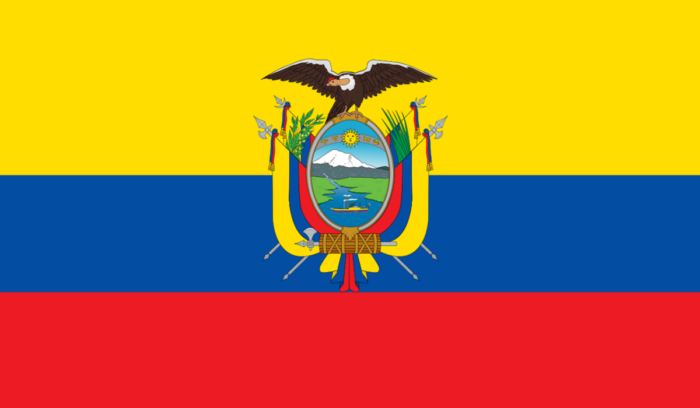
Ecuador initially joined Simón Bolívar’s Republic of Gran Colombia. However, in 1830, Ecuador separated from Gran Colombia and became an independent republic.

The Preliminary Peace Convention accorded independence to Uruguay in respect to Brazil and Argentina. Uruguay’s independence would be definitively sealed on 4 October of the same year when, in Montevideo, the signing nations ratified the treaty.
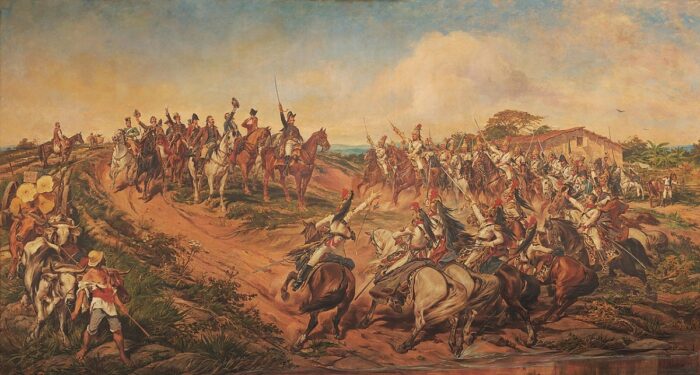
The Independence of Brazil comprised a series of political and military events that occurred in 1821–1824, most of which involved disputes between Brazil and Portugal regarding the call for independence presented by the Brazilian Empire.
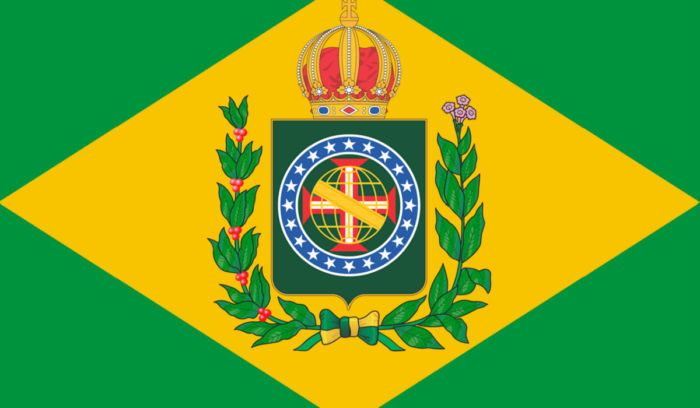
Control of the province was disputed in several battles, mostly in Pirajá, before the Portuguese were fully expelled on 2 July 1823. Bahia became a Brazilian state in 1889.

Honduras gained independence from Spain in 1821 and was a part of the First Mexican Empire until 1823, when it became part of the United Provinces of Central America. It has been an independent republic and has held regular elections since 1838.
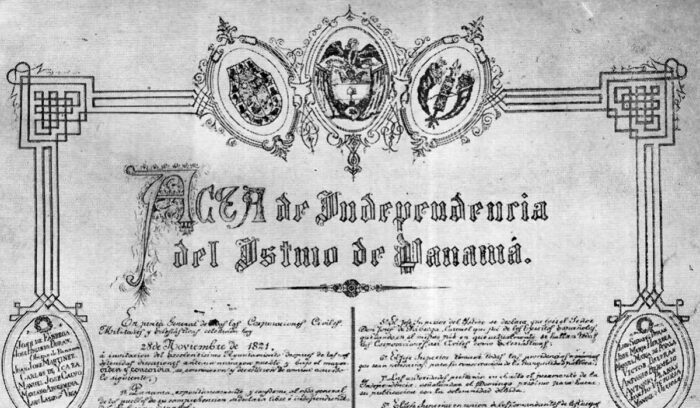
Timing the action with the rest of the Central American isthmus, Panama declared independence in 1821 and joined the southern federation.

On August 24, 1821, O’Donojú signed the Treaty of Córdoba, thus ending New Spain’s dependence on Old Spain.
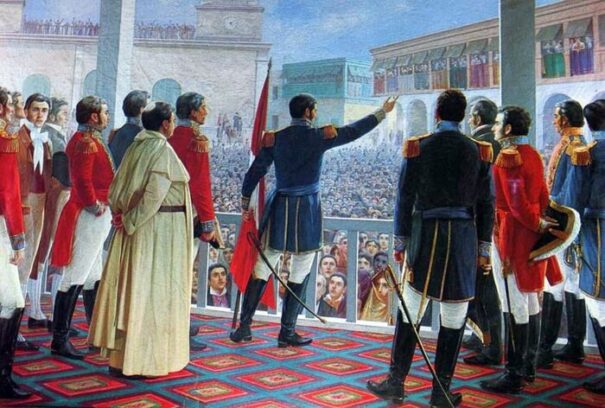
General San Martín invited all of the populace of Lima to swear oath to the Independence cause. The signing of the Act of Independence of Peru was held on 15 July 1821.