
The Republic of Indonesia emerges as a unitary state
On 17 August 1950, the fifth anniversary of his declaration of Indonesian independence, Sukarno proclaimed the Republic of Indonesia as a unitary state.

On 17 August 1950, the fifth anniversary of his declaration of Indonesian independence, Sukarno proclaimed the Republic of Indonesia as a unitary state.

The document lays down the framework demarcating fundamental political code, structure, procedures, powers, rights, principles, and duties.

As a reaction to the growing self-government and independence movements, Denmark granted the Faroe Islands home-rule on 30 March 1948.
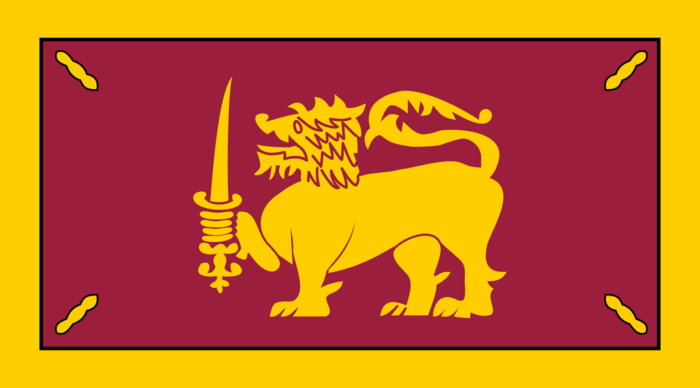
Following the Second World War, public pressure for independence increased in the British-ruled Colony of Ceylon, now known as Sri Lanka. Independence was formally granted under the Ceylon Independence Act 1947 and full independence was finally achieved independence on 4 February 1948, with an amended constitution taking effect on the same date.

On 4 January 1948 at 4.20 am, the nation became an independent republic, named the Union of Burma. Unlike most other former British colonies and overseas territories, it did not become a member of the Commonwealth.

The long-awaited agreement ended 200 years of British rule and was hailed by Indian independence leader Mohandas Gandhi as “the noblest act of the British nation.”
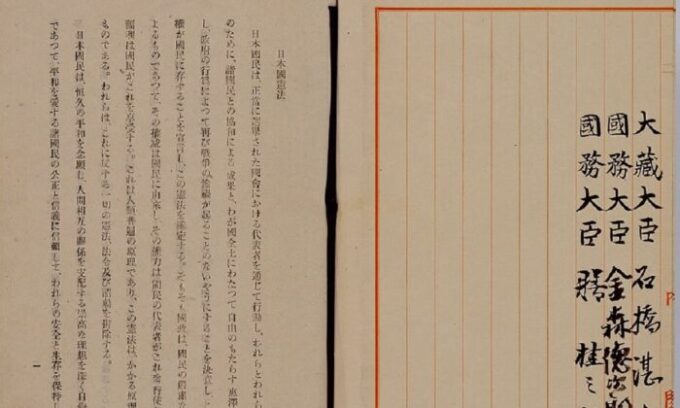
The constitution stripped the Emperor of all but symbolic power, provides for a parliamentary system of government, and guarantees universal suffrage and other fundamental rights.

In 1964 the British protectorate over Nyasaland was ended and Nyasaland became an independent country under Queen Elizabeth II with the new name Malawi.

The Treaty of Manila of 1946 relinquished U.S. sovereignty over the Philippines and recognized the independence of the Republic of the Philippines.
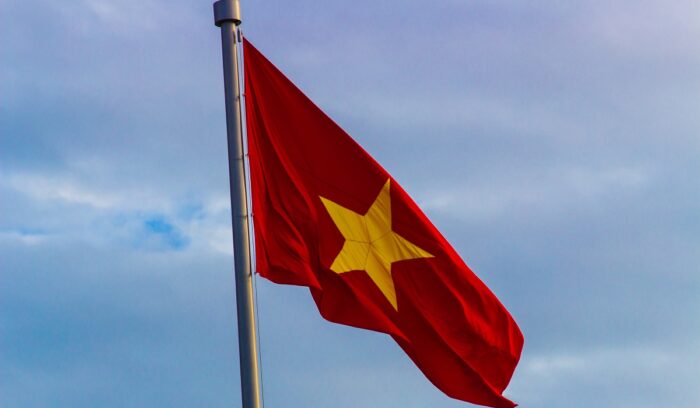
The Indochina Peninsula was colonised by the French in the mid-19th century. Modern Vietnam was born upon the Declaration of Independence from France in 1945.