Nations

Cattle

Brazil to adopt full beef traceability by 2032

Brazil will soon begin tracing individual cattle from birth to slaughter, aiming to make the sector 100% traceable by 2032, Agriculture and Livestock Minister Carlos Fávaro has indicated. The announcement comes amid growing international demand for transparency, especially as the EUDR, a new European Union regulation requiring proof that certain imported commodities aren’t adding to recent deforestation, is set to come into force at the end of 2025. Fávaro stated that a tracing platform would be working by 2027.

Colombia flag

Colombia outlaws child marriage after 17-year campaign

There are currently 4.5 million girls and women in Colombia who married before 18 – about one in four. Of these, a million were married before they were 15. Now, Colombian lawmakers have approved a bill to eradicate child marriage in the South American country after 17 years of campaigning by advocacy groups and eight failed attempts to push legislation through the house and senate. Colombia is now one of 12 countries out of the 33 in Latin America and the Caribbean to have entirely banned marriage under the age of 18, following Honduras, Puerto Rico, Mexico, and the Dominican Republic.

Teepees under the northern lights

Indigenous governments in the Canada’s Northwest Territories sign $375M deal to protect their land

Canada’s federal government contributed $300 million to the initiative, while private donors contributed $75 million. Funds are expected to be received starting in mid-2025 and flow for 10 years after that. The funds can be used to establish new protected and conservation areas as identified by Indigenous governments and to support guardian and stewardship programs. The money can also be used for things like eco-tourism and traditional economic activities, climate research, and on-the-land language and culture programs . It’s one of the largest Indigenous-led conservation efforts in the world, according to a news release.

A doctor is about to vaccinate a child

Sudan launches first malaria vaccine in landmark child health initiative

Malaria remains a leading cause of childhood mortality in Sudan, which has one of the highest malaria rates in the region. The disease claimed an estimated 7,900 lives in Sudan in 2023, though the actual toll may be higher due to ongoing conflict between rival militaries. The launch follows the arrival of the first consignment of 186,000 doses to Sudan in October and the campaign will begin across 15 health facilities in Gedaref and the Blue Nile states, benefitting more than 148,000 children under 12 months-old. In 2025 and 2026, the vaccine will be introduced in a further 129 localities.

Brazil renews plan to restore 30 million acres of degraded land

Brazil recently announced a plan to restore an area of degraded land about half the size of the U.K. by 2030, in a bid to combat climate change and biodiversity loss. The Planaveg 2.0 initiative, launched at the U.N. biodiversity summit, COP16, in Colombia on Oct. 28, aims to restore 30 million acres, about half of Brazil’s degraded land area. Home to 15-18% of the world’s known species, Brazil is the most biodiverse nation on Earth, making it a key player in global ecosystem restoration.

Australian money

Australia to slash $10 billion off student debt amid cost of living pressures

Australian Prime Minister Anthony Albanese has said that his government plans to cut student loans for around three million Australians by 20%, wiping off around $10 billion USD in debts. The move builds on May’s budget, which attacked cost of living pressures in Australia and gave debt relief for students, as well as more investment to make medicines cheaper, and a boost to a rent assistance program. The changes would mean the average graduate with a loan of A$27,600 would have A$5,520 wiped, the government said, adding that they would take effect from June 1, 2025.

Thai flag

Thailand moves to end statelessness for nearly 500,000 people in “historic development”

Thailand’s cabinet has approved an accelerated pathway to permanent residency and nationality for nearly half a million stateless people, marking one of the region’s most significant citizenship initiatives. The decision will benefit 335,000 longtime residents and members of officially recognized minority ethnic groups, along with approximately 142,000 of their children born in Thailand. The country recently pledged at the Global Refugee Forum 2023 to resolve statelessness and was among the founding members of UNHCR’s Global Alliance to End Stateless, launched in October 2024.

Coal pollution

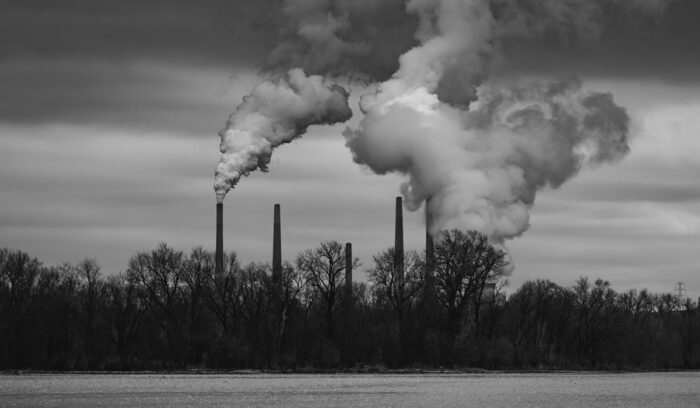
German coal use plunges nearly 40% in 2024

In the first nine months of 2024, the consumption of hard coal in power plants to generate electricity fell by 39% compared to the same period the previous year. This was a result of an overall decrease in electricity generation, an increase in electricity production from renewables, and increased electricity purchasing from neighboring countries. Overall energy use also continued to fall and is set to reach a new annual record low since Germany’s reunification in 1990.

Colombian woman in traditional clothing weaving looking at the camera

Colombia’s new decree recognizes Indigenous people as environmental authorities

Indigenous peoples in Colombia have been granted the authority to protect, manage, and conserve biodiversity within their territories according to their knowledge. Colombian President Gustavo Petro has issued a decree that lays out the standards required for Indigenous authorities to issue regulations regarding the protection, preservation, use, and management of natural resources in their territories and effective coordination with state authorities. These powers will be exercised according to their self-government structures.

Cattle

Brazil fines meat ranchers and packers $64 million for raising and purchasing cattle from deforested Amazon

IBAMA, Brazil’s environmental protection agency, has fined meat packers and cattle ranchers — including the largest on the planet, JBS — $64 million for buying or raising cattle on illegally deforested land in the Amazon rainforest. The agency said 69 properties had been identified that had sold a total of 18,000 cattle who had been raised on deforested land. They also found 23 meat packing companies that had bought the cattle in Amazonas and Para states. Cattle ranching is the biggest driver of deforestation in Brazil’s Amazon rainforest.