
E.U. bans almost all coal mining
Every unprofitable coal mine in the European Union must cease production by the first day of 2019, the date on which all public funds for the mines will come to an end.

Every unprofitable coal mine in the European Union must cease production by the first day of 2019, the date on which all public funds for the mines will come to an end.
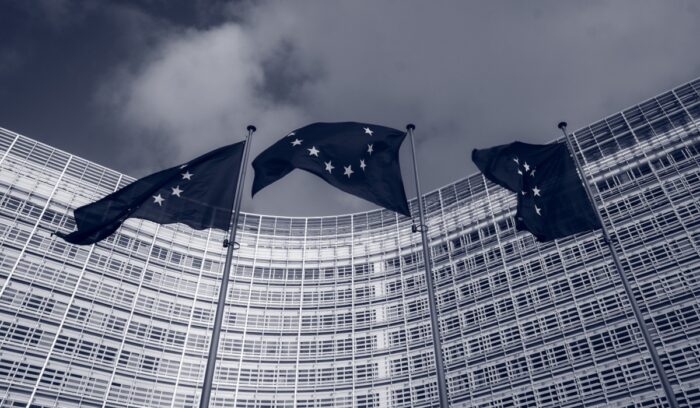
The single-use plastic ban was introduced earlier this year and yesterday the European commission agreed a deal to set the ban in place.

The act will introduce a total ban on dealing in items containing elephant ivory, regardless of their age, within the U.K., including export from or import to the U.K..
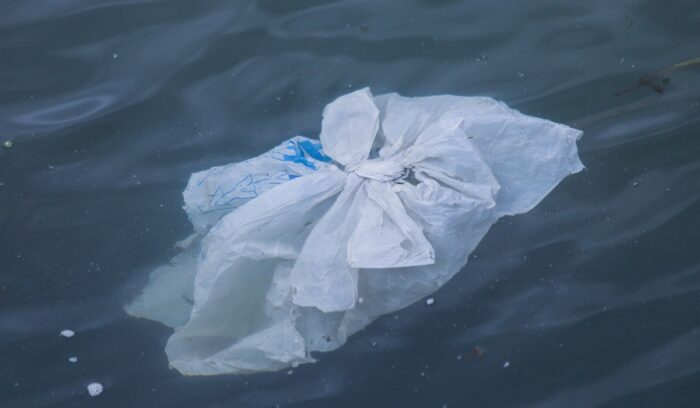
When Australia’s two largest supermarket chains banned plastic bags three months ago, it led to an 80 percent reduction in the country’s overall consumption of plastic bags.

The projects funded by the new investment could help cut carbon emissions equivalent to those created by 800,000 cars a year.

In a historic vote, the majority of the Norwegian parliament agreed to ban their biofuel industry from buying palm oil and other dangerous biofuels that are linked to deforestation and harmful environmental practices.

Electricity from sugar cane now accounts for 14 percent of the island’s needs and, when combined with other renewable sources such as solar, wind and hydro, provides nearly a quarter of daily consumption.

Free mass transit will be available across Luxembourg from the beginning of 2020 – making it the first country in the world to do so.
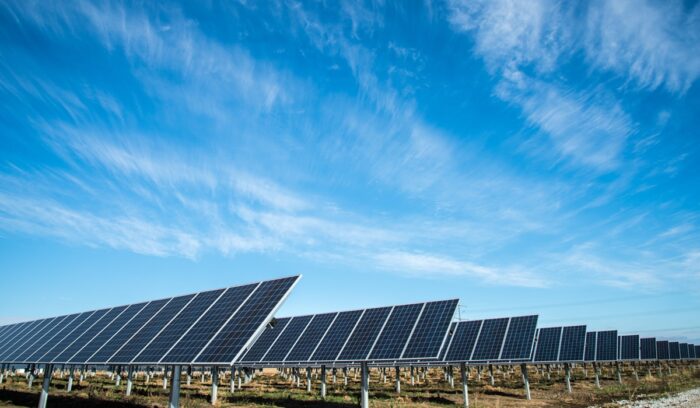
Spain’s proposals, set to be adopted by the cabinet in coming weeks, spell out an ambitious target to draw 100 per cent of the country’s electricity from renewables by 2050.
A new report has highlighted the rising importance of developing nations in driving clean energy worldwide, and finds they are seizing the mantle of global clean energy leadership from wealthier nations.