
Renewables overtake coal as Germany’s main energy source
Green energy’s share of Germany’s power production has risen to over 40% from 38% percent in 2017 and just 19% percent in 2010.

Green energy’s share of Germany’s power production has risen to over 40% from 38% percent in 2017 and just 19% percent in 2010.

The Amplatzer Piccolo, a device even smaller than a small pea, now offers hope to premature infants and newborns who need corrective treatment, and who may be non-responsive to medical management and high risk to undergo corrective surgery.

Under the Swachh Bharat Mission (Grameen), over 500,000 villages and 585 districts in India have been declared Open Defecation Free (ODF).

Lower smoking rates are translating into fewer deaths. Advances in early detection and treatment also are having a positive impact, experts say.
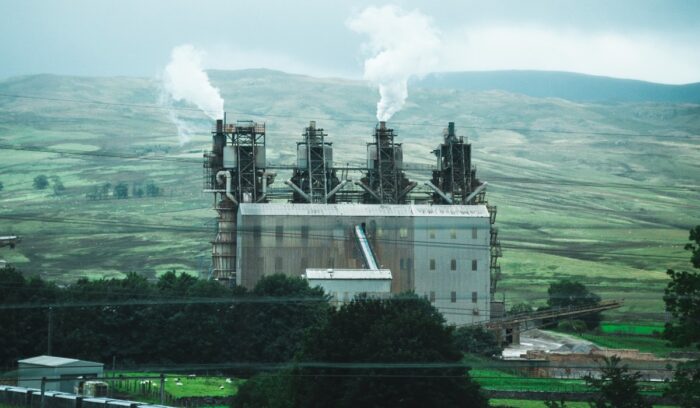
The latest data from the Scottish Environment Protection Agency has found that greenhouse gas levels have dropped by 57 per cent since 2007 when 26 Megatonnes of pollution were released.

For the first time ever, hydrogen-fueled trains will soon be running on U.K. railways.
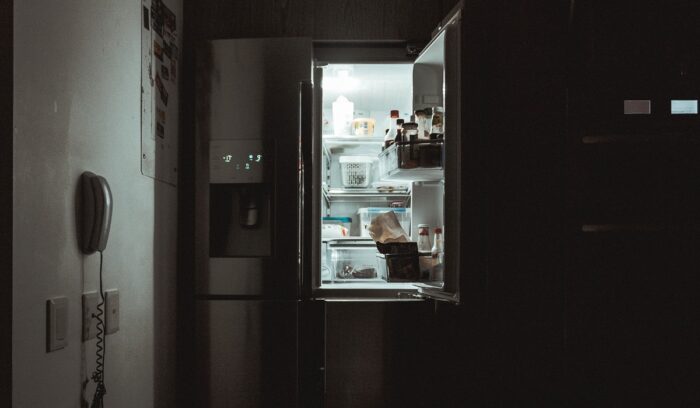
The world has taken an important step to drastically reduce the powerful greenhouse gasses hydrofluorocarbons (HFCs) with the Kigali Amendment to the Montreal Protocol coming into force.

The share of renewables in the country’s electricity consumption rose from 15% to 17% compared to the year before.

There are more women than ever before, and a new generation of Muslims, Latinos, Native Americans and African-Americans in the House creating what academics call a reflective democracy, more aligned with the population of the United States.
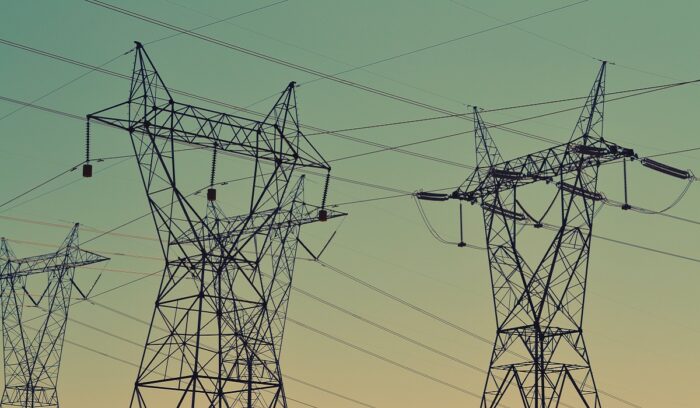
A new analysis shows that in 2018 U.K. electricity generation dropped to its lowest since 1994. The amount of electricity generated per person in the UK has fallen 24% since 2005.