
India bans six single-use plastic products
India is set to impose a nationwide ban on plastic bags, cups and straws on Oct. 2, in its most sweeping measure yet to stamp out single-use plastics.

India is set to impose a nationwide ban on plastic bags, cups and straws on Oct. 2, in its most sweeping measure yet to stamp out single-use plastics.

The Irish government has announced an ambitious plan to fight climate change, setting a planting target of 440 million trees by 2040.
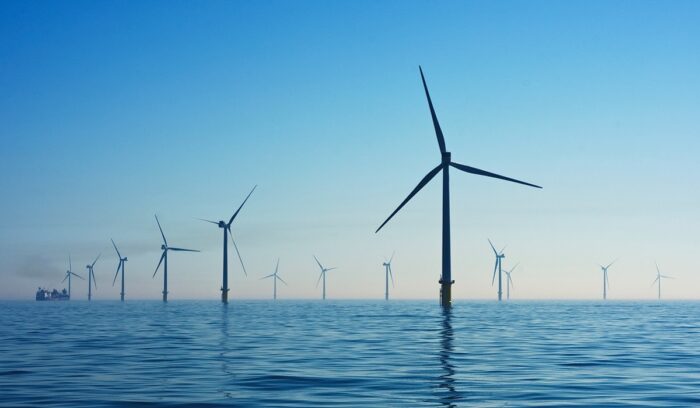
Growth in the U.K. offshore wind industry is transforming the U.K.’s coastal towns from empty ports to bustling industry with thousands of skilled job opportunities.

Nepal will make the Everest region a plastic-free zone by 2020 by banning single-use plastics. The new rule will come into effect from January 1, 2020.

Peru has just become the second South American country to commit to ending palm oil driven deforestation by 2021.
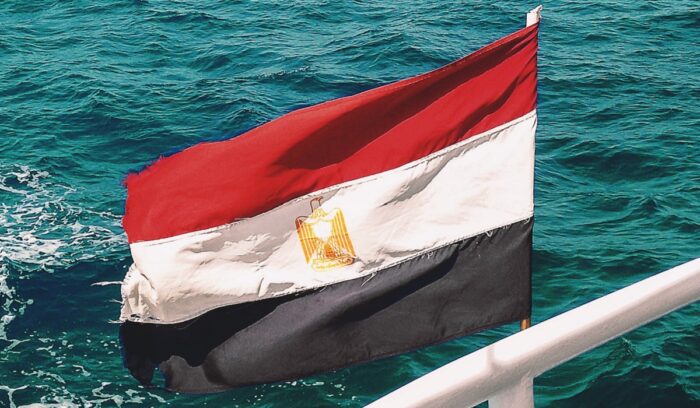
The Arab Industrialization Organization, owned by the Egyptian government, will develop renewable energies and reduce energy shortages in Uganda, Congo, Tanzania, Eritrea, Somalia and South Sudan.

Scientists found that all of the 344 cities they looked at could have cheaper electricity powered by solar energy, according to the study published in the journal Nature Energy.

Youth literacy rates in Bangladesh have risen to almost 93%, up from 62% in 2006 and 45% in 1991.

The act will include tighter restrictions on the use of plastics, a framework for Fiji to reduce its emissions to net-zero by 2050, the introduction of a carbon credits scheme, and more.

“2019 may mark the beginning of the end for coal power in Europe,” said Dave Jones, an Electricity Analyst at Sandbag.