
Guatemala to ban plastic bags, straws, cups beginning 2021
The measure gives merchants two years to phase out bags, straws, plates, cups and containers made from plastic or plastic foam, and replace them with compostable items.

The measure gives merchants two years to phase out bags, straws, plates, cups and containers made from plastic or plastic foam, and replace them with compostable items.
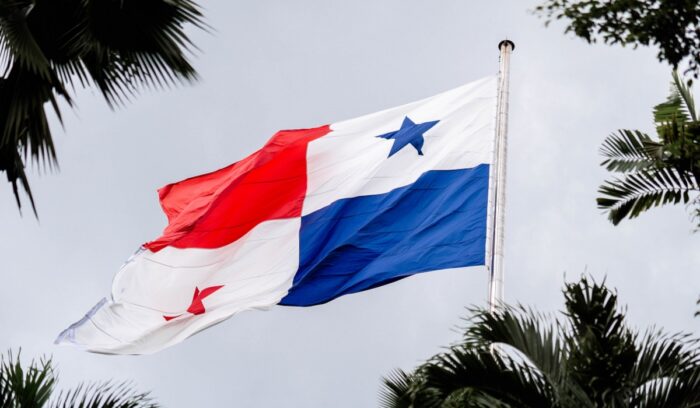
Panama’s plastic bag ban has gone into effect. Panama became the first Central American country to ban single-use plastic bags in 2018.
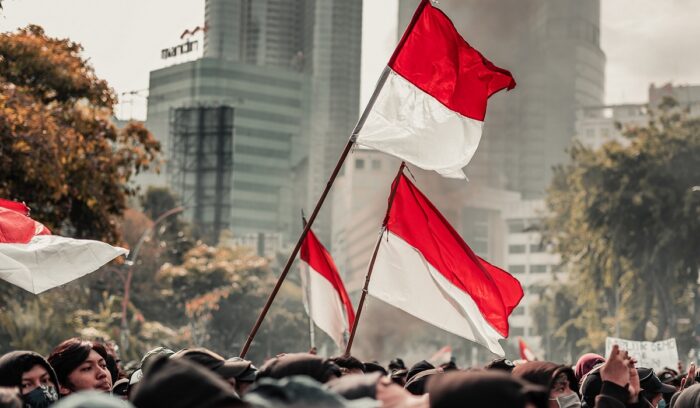
Indonesia’s parliament has revised the country’s marriage law to lift the minimum age at which women can marry by three years to 19, a move welcomed by campaigners as a step toward curbing child marriage.
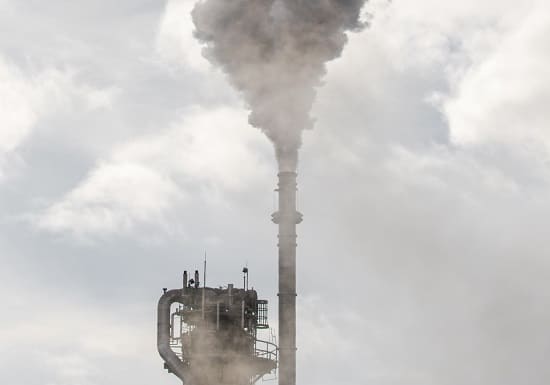
For decades pollution in China has paralleled economic growth. But this connection has weakened in recent years, according to a new international research study.

New Statistics Canada figures show 278,000 fewer children living below the poverty line in 2017, the first full year of the benefit, compared to 2015.

EPA’s decision is a decisive win for taxpayers, animals, and the environment, says Justin Goodman, vice president of advocacy and public policy at the White Coat Waste Project.
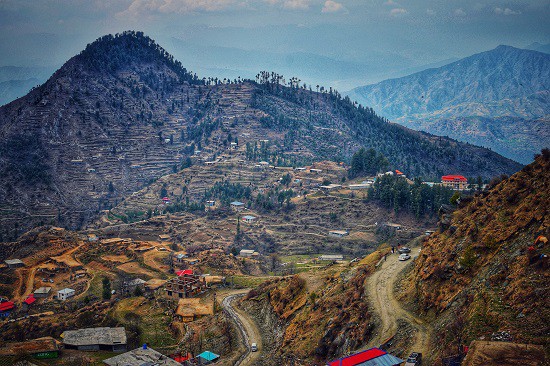
The extreme poverty (or below $1.9 per day poverty line) in Pakistan has gone down from 28.6 percent of total population in 2001 to 3.9 percent in 2015, Asian Development Bank said in a report.
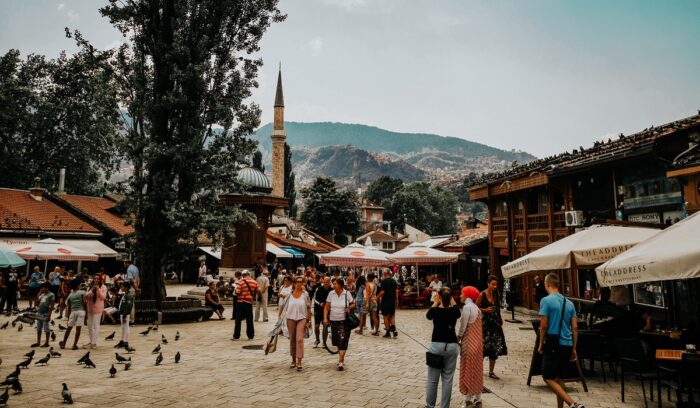
The capital of Bosnia-Herzegovina has held its first ever gay pride event amid heavy security. Bosnia is the last of the countries of former Yugoslavia to hold a pride event.
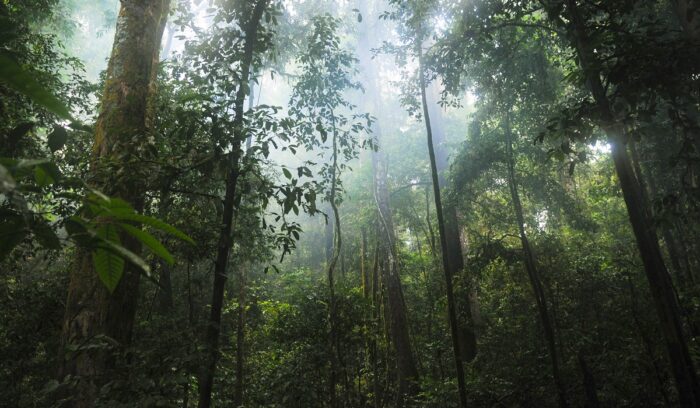
Bolivia, Brazil, Colombia, Ecuador, Guyana, Peru, and Suriname signed a pact, setting up a disaster response network and satellite monitoring amid massive fires in the world’s largest tropical forest.

Located in northwest Canada, Yukon’s Peel watershed covers 67,431 square kilometres of wilderness that is rich in biodiversity. Eighty-three percent will now be preserved as Conservation Areas.