Civil society

Crocodile from above

Siamese crocodile release into the wild marks conservation milestone in Cambodia

The Siamese crocodile is one of the world’s rarest crocodilians, with less than 1,000 individuals estimated to be surviving in the wild. The species hasn’t been sighted for more than 20 years in Virachey, one of Cambodia’s most remote national parks. Combined with recent record-breaking hatchings both in the wild and in captivity, as well as new records of releases into the Cardamom Mountains from the NGO Fauna & Flora, conservationists hope to build a species stronghold in Cambodia.

Satellite from above with Earth below|nasa unsplash

First Earth Fire Alliance satellite for detecting wildfires is now in orbit

The FireSat constellation, which will consist of more than 50 satellites when it goes live, is the first of its kind that’s built to detect and track fires. It’s an initiative launched by nonprofit Earth Fire Alliance, which includes Google and Muon Space as partners, among others. According to Google, current satellite systems rely on low-resolution imagery and cover a particular area only once every 12 hours to spot large wildfires spanning a couple of acres. FireSat will be able to detect wildfires as small as the size of a classroom and deliver high-resolution visual updates every 20 minutes.

Reef shark

Endangered Caribbean reef sharks rebound in Belize

Endangered Caribbean reef sharks and other shark species are making a striking recovery in Belize after plummeting due to overfishing between 2009 and 2019, according to recent observations. Experts say the establishment of no-shark-fishing zones around Belize’s three atolls in 2021 is what enabled the population boom. These shark-safe havens were made possible by remarkable cooperation and synergy among shark fishers, marine scientists, and management authorities.

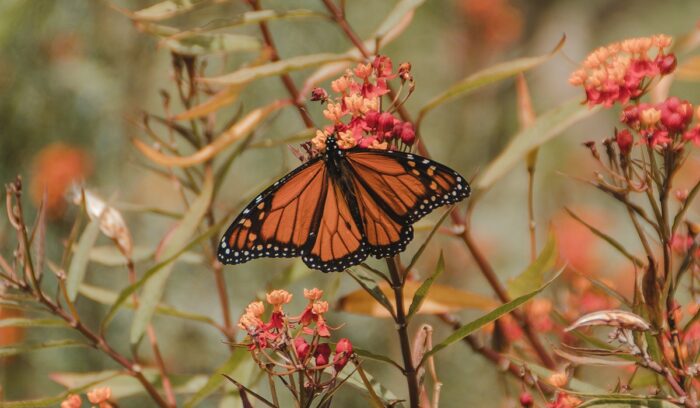
Monarch butterfly

Eastern monarch butterfly population nearly doubles in 2025

The population of eastern monarch butterflies – which migrate from Canada and the US to Mexico during the winter – has nearly doubled over the last year, according to a recent report commissioned in Mexico, generating optimism among nature preservationists. The growth in numbers for the orange-and-black butterflies follows years of ongoing conservation efforts – and perhaps provides a sliver of optimism after otherwise discouraging long-term trends for the species.

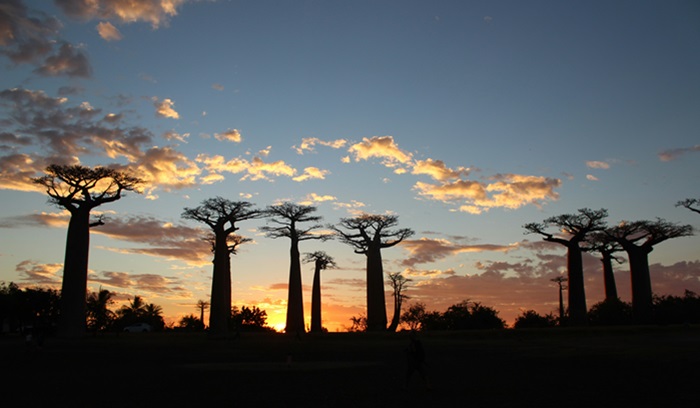
Silhouette of baobob trees

Seeds of 19 African tree species added to Svalbard Global Seed Vault

Norway is home to the Svalbard Global Seed Vault, a vast collection intended to secure the world’s vital genetic heritage against any eventuality. The vault currently holds duplicates of 1.3 million seed samples from nearly every corner of the world. Recently, the World Agroforestry Center deposited new seeds to the vault representing tree species of special value to communities across Africa. The 19 species represented included 13 native to Africa and six others that have found a place in the economies and ecologies of the continent.

Benin Bronzes

The Netherlands to return over 100 Benin Bronzes to Nigeria

The Benin Bronzes are a collection of thousands of metal plaques and sculptures that decorated the royal palace of the Kingdom of Benin. Created between the 14th and 16th centuries, British soldiers looted the Benin Bronzes from modern-day Nigeria in the 19th century. Of the looted statues taken during the Benin Expedition of 1897, two hundred were housed in the British Museum, with the rest spread across other European institutions. The Netherlands has now agreed to return its share.

daniele buso Va n x Pgr unsplash

More than 100,000 pounds of trash removed from the Arctic since 2021

Over 50,000 pounds of trash have been removed from the Arctic in 2023 alone after a multilateral effort flooded critical northern ecosystems with volunteers. Working during the brief Arctic summer, clean-up operations were carried out in Alaska, Greenland, Norway, and Iceland. Nearly 2,000 volunteers were enlisted across the treaty nations of the Arctic Council, an inter-governmental panel on peaceful and sustainable use and protection of the Arctic zone formed by the nations that pierce its frozen bordersand the Indigenous peoples that call it home.

Two lions

Nearly 20,000 animals seized in global wildlife trafficking crackdown

Big cats, birds, primates, and pangolins were among the nearly 20,000 animals rescued in a recent global operation against wildlife and forestry traffickers. Led by Interpol and the World Customs Organization, the campaign involved police, customs, border patrol, forestry, and wildlife officials from 138 countries. Six transnational criminal networks suspected of trafficking animals and plants were identified, with 365 arrests made.

Empty office desk and chairs

Two hundred U.K. companies sign up for permanent four-day working week

Two hundred U.K. companies have signed up for a permanent four-day working week for all their employees with no loss of pay, in the latest landmark in the campaign to reinvent Britain’s working week. Together, the companies employ more than 5,000 people, with charities, marketing, and technology firms among the best-represented. Supporters say the four-day week is a useful way of attracting and retaining employees while improving productivity by creating the same output over fewer hours and fostering a more fulfilled, happy, and engaged workforce.

Karla Sofia Gascón at 2024 Cannes Film Festival

Karla Sofía Gascón just became the first out trans actor to score an Oscar nomination

The Academy of Motion Picture Arts and Sciences has made history by announcing that Spanish actress Karla Sofía Gascón has been nominated for an Oscar for her lead performance in Emilia Pérez. Gascón, who starred in the Spanish language musical as a Mexican drug lord who begins a new life after coming out as trans, is the first openly transgender performer ever to receive an acting nomination in the Academy’s 95-year history.