
Conservationists bring the Saharan gazelle back from the brink of extinction
After a captive-breeding program in Spain, Dama gazelles have been reintroduced in protected reserves in Tunisia, Morocco, and Senegal and number roughly 4,000.
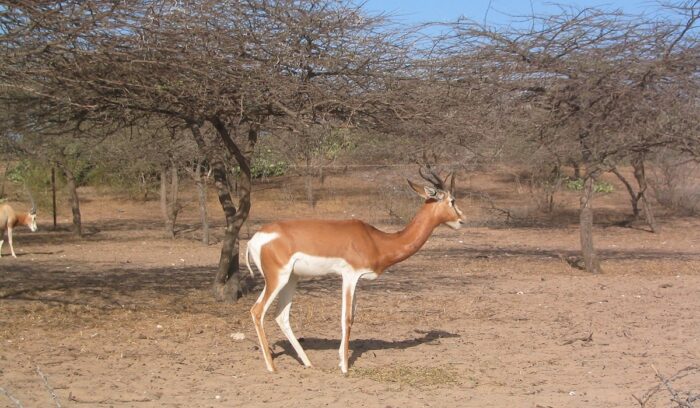
After a captive-breeding program in Spain, Dama gazelles have been reintroduced in protected reserves in Tunisia, Morocco, and Senegal and number roughly 4,000.
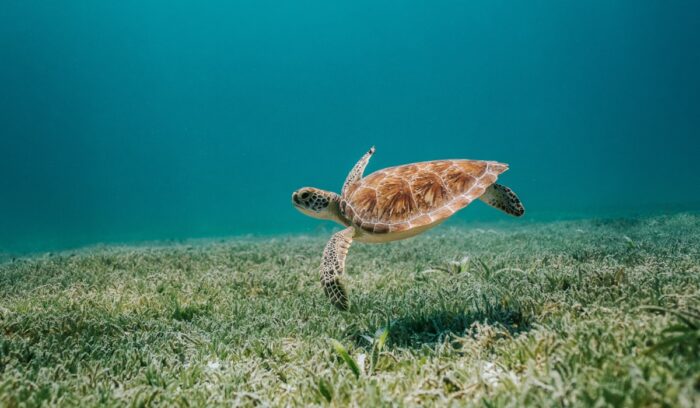
According to the West African country’s environment ministry, last year’s nest numbers are at nearly 200,000, a huge leap from the 10,725 nests accounted for in 2015.

After two decades of preclinical research, human trials are set to begin on a unique preventative vaccine that is designed to target a protein commonly expressed by triple-negative breast cancers.
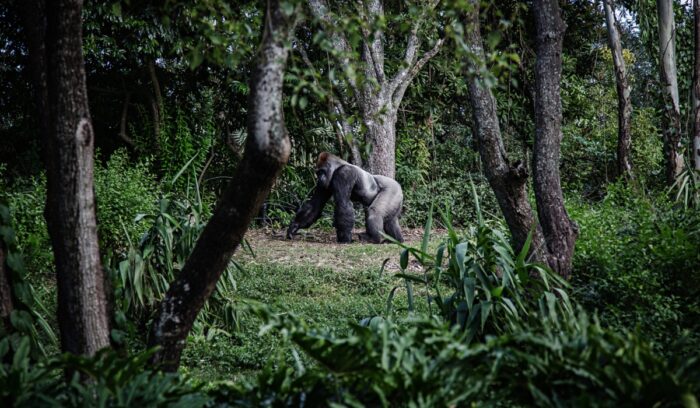
From a previous global estimate of 3,800 individuals, the estimated the global population of Grauer’s gorillas – the world’s largest gorilla subspecies – has almost doubled to 6,800 individuals.

The Affric Highlands initiative will involve planting trees, restoring peat bogs, connecting wildlife habitats and restoring river corridors over 500,000 acres.

A new report by Indigenous Environmental Network and Oil Change International found that Indigenous-led resistance over the past decade has stopped or delayed the equivalent of 25% of annual U.S. and Canadian emissions.
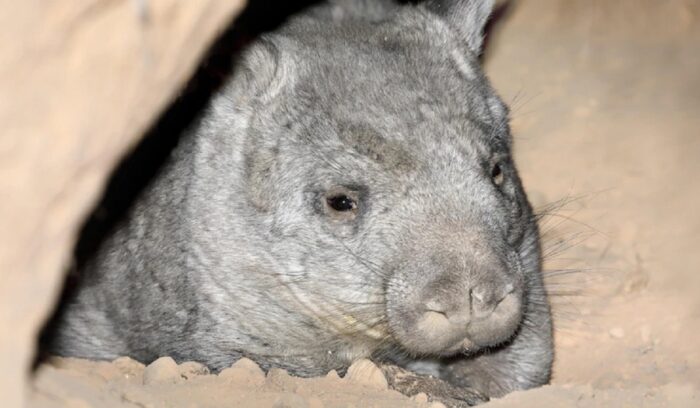
The population of Australia’s largest wombat species dipped to as low as 35 in the 1980s. Since then, with the help of predator fencing, habitat management, and more, the population has grown to more than 300.
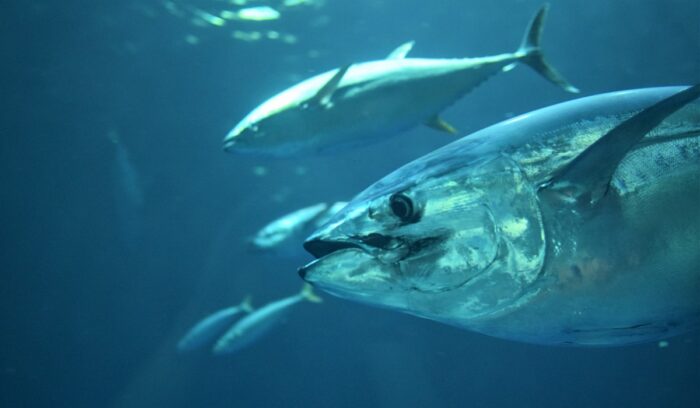
In IUCN’s Red List update, the seven most commercially fished tuna species were reassessed. Four moved in a positive direction thanks to countries enforcing more sustainable fishing quotas and successfully combatting illegal fishing.
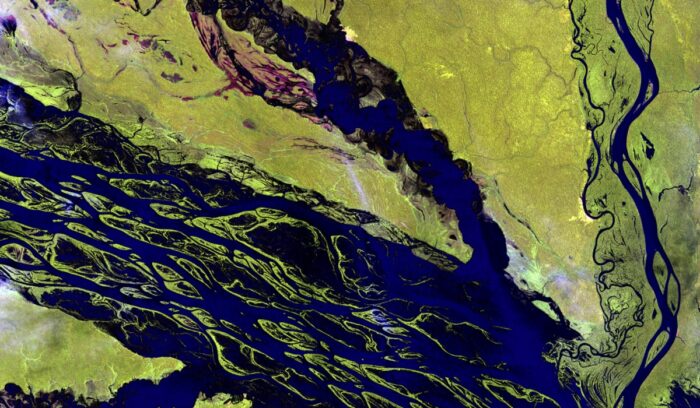
Intesa’s exclusion covers all financial products and services, as well as advisory services, and applies to projects and companies involved in exploration, production, and pipeline transport of Amazon oil.

Farmers are learning how to make their degraded lands productive again after joining DryDev, a project led by World Agroforestry that has been working with farmers in Kenya, Burkina Faso, Ethiopia, Mali and Niger since 2013.