
The Act of Independence of Central America proclaims the independence of Central America from the Spanish Empire
The Act led to the eventual formation of the modern nations of Costa Rica, Guatemala, El Salvador, Honduras, and Nicaragua.
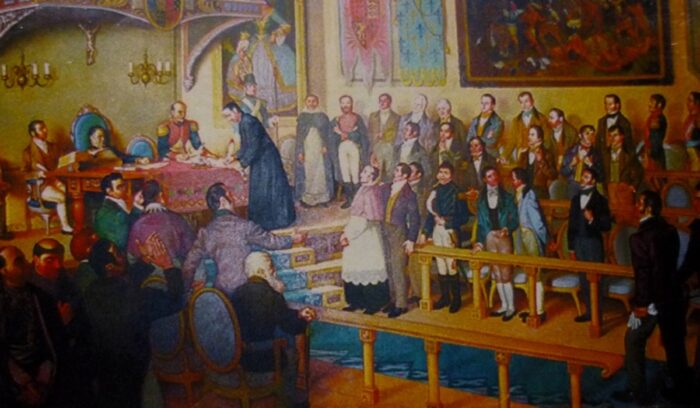
The Act led to the eventual formation of the modern nations of Costa Rica, Guatemala, El Salvador, Honduras, and Nicaragua.
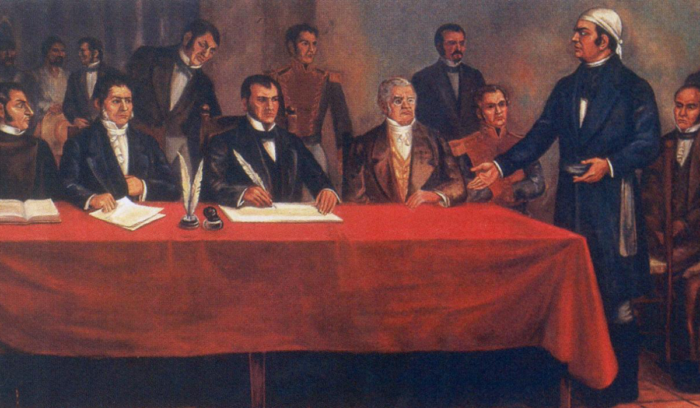
On November 6, the deputies to the Congress signed the first legal document, known as the Acta Solemne de la Declaración de Independencia de la América Septentrional, in which the separation of the New Spain with respect to the Spanish rule is proclaimed.

The first school lunches were thought to be served in 1790 in Munich, Germany, by an American-born physicist, Benjamin Thompson, also known as Count Rumford. In Munich, Thompson founded the Poor People’s Institute, which employed both adults and children to make uniforms for the German Army. They were fed and clothed for their work, and the children were taught reading, writing, and arithmetic. Years later, Thompson would feed 60,000 people a day from his soup kitchen in London.

The Bengali Renaissance was a cultural, social, intellectual and artistic movement in the eastern part of the Indian subcontinent during the period of the British Indian Empire, from the nineteenth century to the early twentieth century dominated by Bengalis.
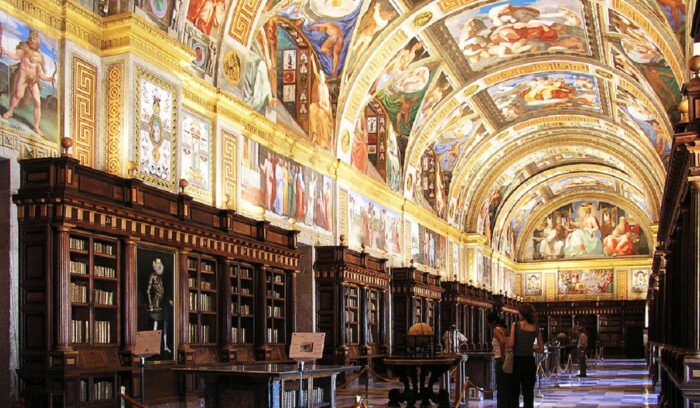
The Spanish Golden Age is a period of flourishing in arts and literature in Spain, coinciding with the rise of the Spanish Habsburg dynasty and the Spanish Empire.

Perhaps the first written record we have of a mother and baby surviving a cesarean section comes from Switzerland in 1500 when sow gelder, Jacob Nufer, performed the operation on his wife. The mother lived and subsequently gave birth normally to five children, including twins. The cesarean baby lived to be 77 years old.

The Battle of Stirling Bridge was a battle of the First War of Scottish Independence. On 11 September 1297, the forces of Andrew Moray and William Wallacedefeated the combined English forces of John de Warenne, 6th Earl of Surrey, and Hugh de Cressingham near Stirling, on the River Forth.

The samurai (also bushi) were a class of warriors which arose in the 10th century CE in medieval Japan and which lasted until the 17th century CE. The type has been romanticised since the 18th century CE as the epitome of chivalry and honor.

The Hanseatic League was a commercial and defensive confederation of merchant guilds and market towns in Northwestern and Central Europe.

The earliest types of guild formed as a confraternities of tradesmen. They were organized in a manner something between a professional association, a trade union, a cartel, and a secret society.