Trade

Solar panels reflect sparkling light from the Sun

Solar imports in Africa up 60% since 2024

A powerful solar energy revolution is now confirmed across Africa, driven by a surge of over 60% in panel imports from China. This “solar take-off” provides a crucial pathway to achieving universal energy access by bypassing outdated infrastructure. The decentralized growth is fueling economic development and local entrepreneurship. By expanding its clean energy supply, the continent is ensuring its future growth is sustainable and resilient against global fossil fuel volatility.
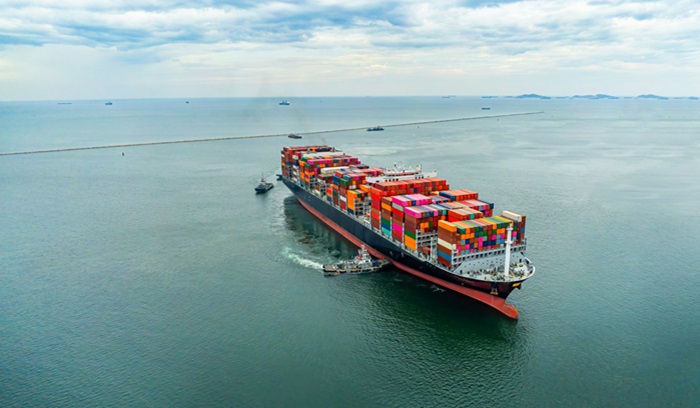
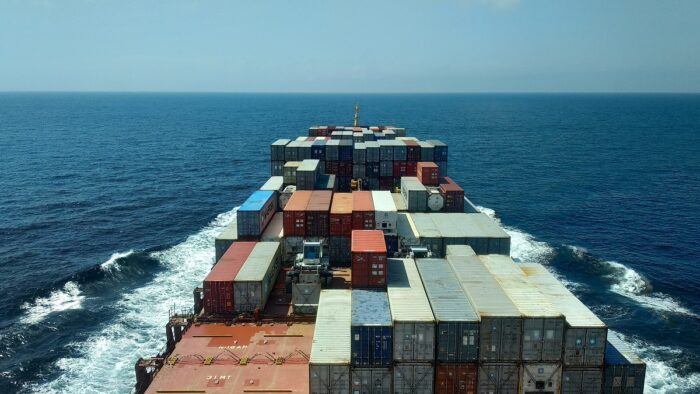
Cargo ship

Countries reach historic deal to cut shipping emissions

After years of negotiations, the international community has reached a landmark deal to cut greenhouse gas emissions from global shipping, setting mandatory fuel standards and introducing a carbon pricing mechanism. The framework – agreed during a meeting of the U.N. International Maritime Organization – aims for net-zero emissions from the sector by 2050 and will come into force in 2027. It will apply to large ocean-going vessels over 5,000 gross tonnage, which account for 85% of carbon emissions from the marine shipping fleet.

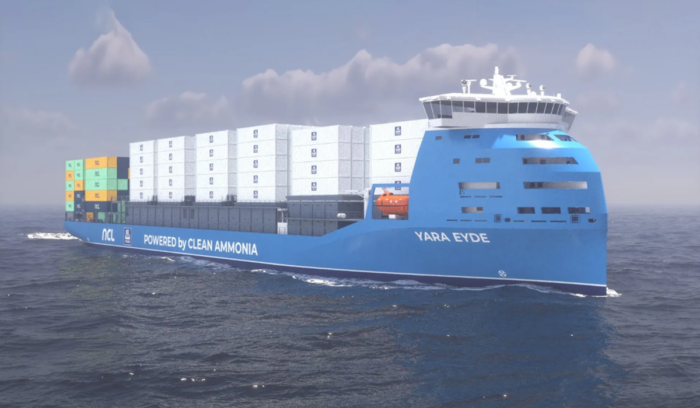
Shipping liner

Global sulfur dioxide emissions from shipping dropped sharply with the introduction of new rules in 2020

In 2020, the International Maritime Organization introduced strict limits on marine fuels: the maximum percentage of sulfur allowed in fuels fell from 3.5% to 0.5%. All ships worldwide had to comply. As a result, there was a dramatic fall in global sulfur dioxide emissions from over 10 million tonnes a year in 2019 to 3 million tonnes a year later, helping abate local air pollution and acid rain.

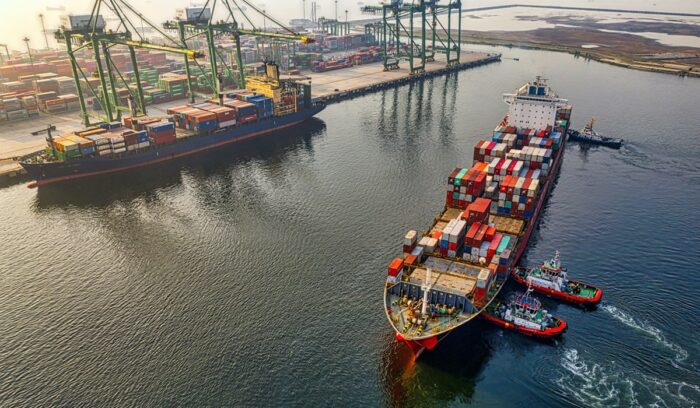
Cargo ship in harbor

A majority of nations agrees to global tax on shipping emissions for first-time ever

Two weeks of talks at the U.N.’s International Maritime Organization have concluded in London, with a clear majority of countries emerging in favor of a historic, first-ever global emissions levy. The shipping sector, which accounts for 3% of global emissions and transports more than 90% of global trade, is regarded as one of the hardest industries to decarbonize, partly owing to the vast amounts of dirty fossil fuels the ships burn each year.

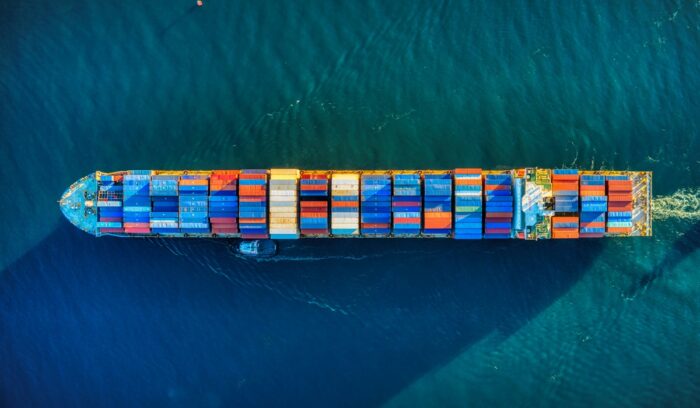
Aerial view of container ship

Decarbonization containers turn 78% of marine emissions into limestone in new pilot

A remarkable pilot project installed on a 787-ft. container ship has proven it’s possible to capture emissions from the smokestacks of cargo ships with 78% efficiency and convert the CO2 into limestone pebbles, which can be offloaded and sold. London startup Seabound, funded by a US$1.5-million grant from the UK Government, partnered up with global shipping company Lomar to install the carbon capture equipment on one of its older and dirtier-burning ships, a medium-sized vessel capable of carrying more than 3,200 shipping containers.

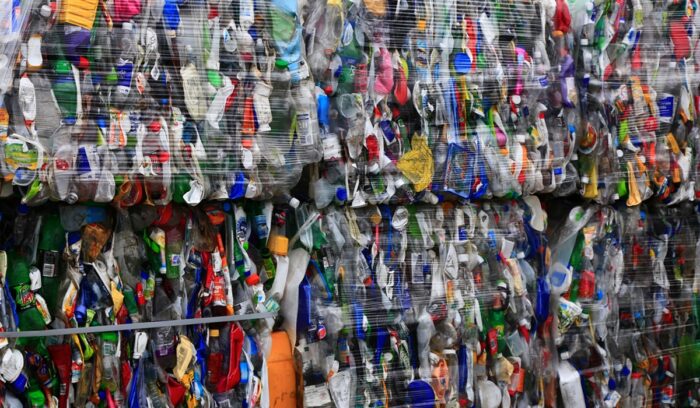
Plastic waste

E.U. agrees to ban exports of waste plastic to poor countries

“The EU will finally assume responsibility for its plastic waste by banning its export to non-OECD countries,” said Pernille Weiss, a Danish member of the European parliament. “Once again, we follow our vision that waste is a resource when it is properly managed, but should not in any case be causing harm to the environment or human health.”