Decolonization

Arctic village

Canada to fund first Inuit-led university as part of major announcement for Inuit communities

The federal government has announced a $50 million investment to help build Canada’s first Inuit-led university, which is set to open its main campus in Arviat, Nunavut, by 2030. This landmark project aims to reverse historical inequities by allowing Inuit students to pursue culturally grounded higher education without leaving their homeland. The historic funding is part of a broader $228 million federal package that also includes vital investments in child welfare, food security, and the elimination of tuberculosis across northern communities.
Medieval Indian sculpture

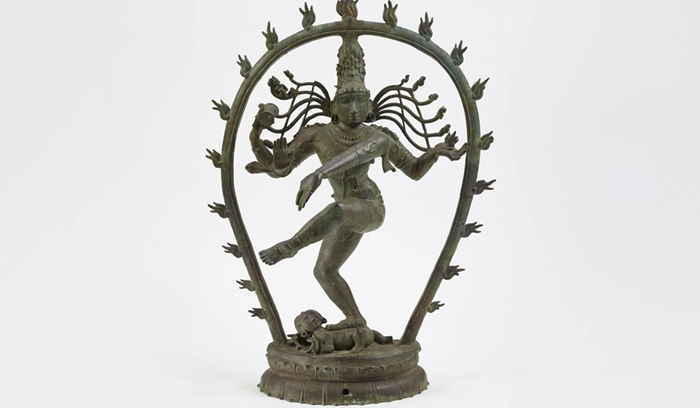
U.S.’s Smithsonian Institution to return stolen medieval sculptures to India

The Smithsonian National Museum of Asian Art is officially returning three ancient bronze sculptures to India after an internal investigation confirmed they were illegally removed from Tamil Nadu temples in the mid-twentieth century. In a unique collaborative agreement, the Indian government will allow one returned sculpture, a tenth-century Shiva Nataraja, to remain at the Washington museum on a long-term loan for educational display. This arrangement highlights a growing international commitment to decolonizing museum spaces, prioritizing transparent provenance research, and fostering cross-cultural cooperation to correct historical wrongs.

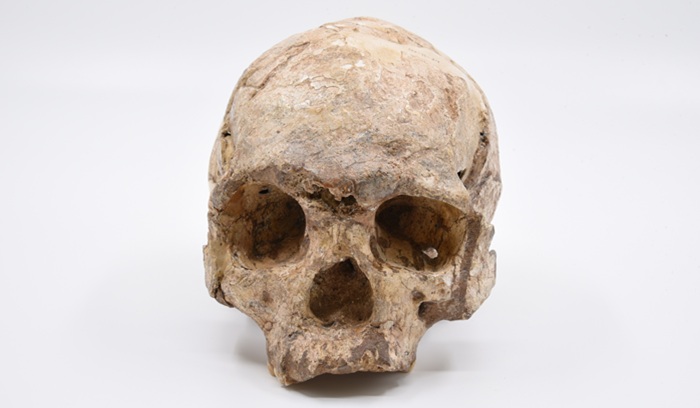
Dubois Collection skull

The Netherlands is returning a fossil collection taken from Indonesia in the colonial era

An important step in cultural justice has been achieved as the Netherlands formally returned thousands of historical and scientific artifacts to Indonesia.
The objects, known as the Dubois Collection, include ancient Javanese treasures, significant natural history fossils, and complete institutional collections. Notably, the return includes materials related to the famous “Java Man” hominid fossil. This transfer empowers Indonesian scholars and citizens with full access to their national history and vital scientific data, serving as an important model for international cooperation and cultural self-determination globally.

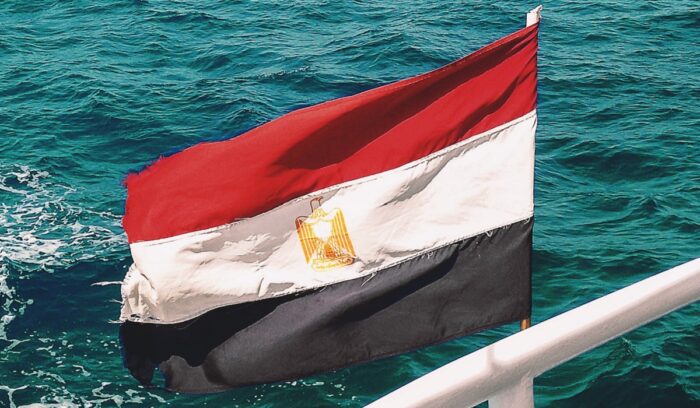
Egyptian flag

Egypt recovers 3 ancient artifacts found in the Netherlands

The items retrieved include a mummified head from the Hellenistic period, a ceramic funerary figurine dating to Egypt’s New Kingdom era (664-332 B.C.), and part of a wooden tomb bearing an inscription of the goddess Isis from 663-504 B.C., the Egyptian embassy in The Hague said in a statement. The head was found in good condition, showing remnants of teeth and hair. Dutch police and the cultural heritage inspection unit retrieved the figurines and parts of the tomb after determining that they were smuggled out of Egypt.

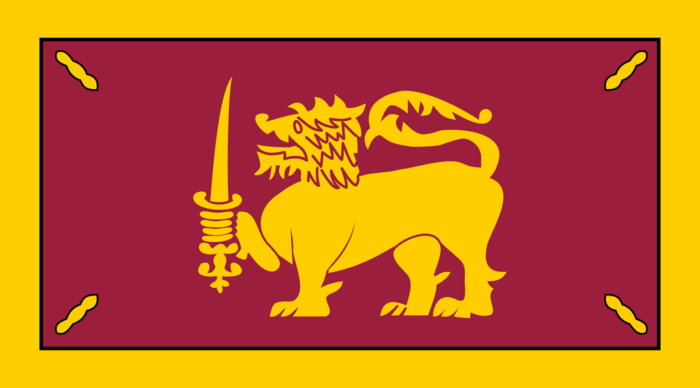
Flag of Ceylon

Ceylon gains independence from Great Britain

Following the Second World War, public pressure for independence increased in the British-ruled Colony of Ceylon, now known as Sri Lanka. Independence was formally granted under the Ceylon Independence Act 1947 and full independence was finally achieved independence on 4 February 1948, with an amended constitution taking effect on the same date.