
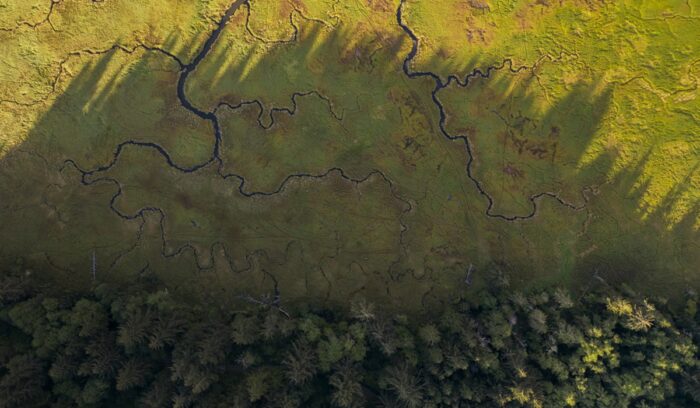
By the year 2042, the European Union reaches a milestone that once seemed impossible: official data confirms that 90% of the continent’s degraded habitats are now restored to good ecological condition. This achievement represents a massive acceleration of the Nature Restoration Law, which originally aimed for a 60% restoration target by this date. The success across terrestrial, coastal, and marine ecosystems marks the most significant environmental recovery in modern history.
The transformation covers millions of hectares, from the Carpathian forests to the Mediterranean seagrass meadows. This success is not merely a victory for biodiversity but a testament to the power of coordinated regional policy and public-private cooperation. By repairing the natural systems that provide clean water and carbon sequestration, Europe has secured a resilient future for its 450 million citizens.
The path to this milestone began with the binding targets set in the 2020s, which created a blueprint for every member state. Today, the results are visible in the return of stable pollinator populations and the revitalization of rural landscapes across the European countryside. This effort has effectively reversed centuries of ecological decline in just under two decades of concentrated action.
Engineering with Nature
Achieving 90% restoration required a radical shift in how European nations manage their landscapes and water infrastructure. Engineers and ecologists collaborated to remove over 50,000 obsolete barriers, allowing rivers to flow freely across the continent. These free-flowing rivers have significantly reduced flood risks for downstream cities while restoring vital spawning grounds for migratory fish.
Precision agriculture and the large-scale adoption of agroforestry played a critical role in restoring soil health across the Mediterranean and Central Europe. Farmers utilized AI-driven monitoring to reduce chemical inputs, allowing natural soil microbiomes to recover and thrive. This transition led to more stable crop yields and increased resistance to the droughts that characterized the early part of the century.
The restoration of peatlands was particularly vital for the E.U.’s climate goals, as these areas act as powerful carbon sinks. Innovative rewetting techniques were deployed across Northern Europe, turning drained bogs back into carbon-capturing powerhouses. Detailed information on these ecological benefits can be found through the European Commission’s environment portals.
Marine Recovery and Blue Carbon
The recovery of Europe’s seas has been equally dramatic, with the restoration of seagrass meadows and oyster reefs across the Atlantic coast. These “blue carbon” habitats protect coastlines from erosion while providing nurseries for commercial fish stocks. The E.U. successfully implemented strict protections for 30% of its waters, allowing marine life to rebound in areas once depleted by industrial activity.
Ingenuity in marine engineering allowed for the creation of artificial reefs using 3D-printed biocompatible materials. These structures provided the necessary foundation for kelp forests to take hold in areas where the seabed had been scoured by trawling. As a result, coastal communities have seen a resurgence in sustainable local fishing and ecotourism.
The success of these marine initiatives is tracked by the European Environment Agency, which monitors the health of land and sea habitats in real-time. Their data confirms that the restoration of these habitats has created a self-sustaining cycle of biological productivity. This marine recovery serves as a global model for how highly populated regions can coexist with thriving oceanic ecosystems.
Socio-Economic Benefits and Human Well-being
The restoration project has generated millions of “green-collar” jobs in rural and coastal areas. From specialized botanists to heavy machinery operators trained in ecological contouring, the workforce has adapted to a new economy centered on stewardship. This shift revitalized many regions that previously faced economic decline and depopulation.
Public health has seen a measurable improvement as more citizens gain access to high-quality green spaces. Urban areas that integrated rewilding projects saw a significant reduction in the heat-island effect, lowering mortality rates during summer months. The mental health benefits of these restored landscapes are now a cornerstone of modern European social policy.
The collaborative spirit required to achieve this goal has also strengthened the political bonds within the union. By working together on a shared vision for a green continent, member states proved that collective action can solve generational crises. The journey to 90% restoration stands as a beacon of hope for all nations facing the environmental challenges of the twenty-first century.
