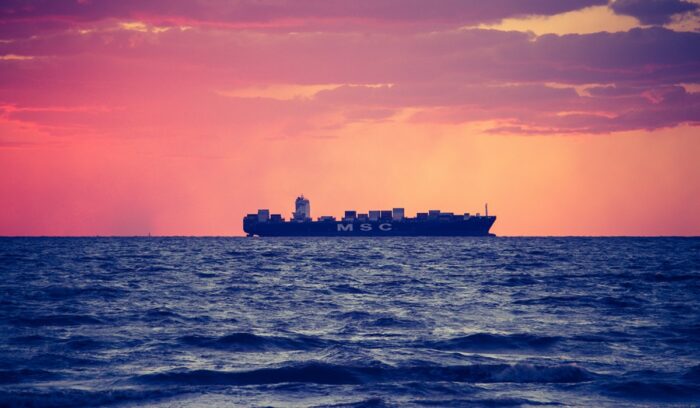
he year 2046 marks a definitive victory for international trade as the global shipping industry officially reaches the net-zero carbon milestone. This achievement follows decades of intense cooperation between maritime nations, shipbuilders, and energy pioneers to transform a sector once considered one of the hardest to abate. Shipping, which handles over 80% of global trade volume, has transitioned from a major source of greenhouse gases to a clean, silent conveyor of the world’s goods.
This milestone represents the culmination of a journey that accelerated after the pivotal mid-century targets were set in the 2020s. Back then, the sector accounted for nearly 3% of global anthropogenic emissions, a figure that would have tripled without the radical intervention witnessed over the last two decades. The transition has not only stabilized the climate but has also improved the health of coastal communities by eliminating sulfur and nitrogen oxide pollution.
The Rise of Green Hydrogen and Ammonia
The backbone of this transformation is the total replacement of heavy fuel oil with carbon-free alternatives. Green ammonia and hydrogen now power the majority of the world’s deep-sea fleet, supported by a global network of specialized bunkering hubs. These fuels are produced using vast offshore wind and solar farms, creating a truly circular energy economy on the high seas.
According to research on how to decarbonize international shipping, the transition required a massive scale-up of renewable energy capacity specifically for maritime use. Early pilot programs in the late 2020s proved that large container ships could safely operate on ammonia-combustion engines. Today, these vessels cross the Pacific and Atlantic without leaving a trace of carbon in their wake.
Modern Sails and Digital Efficiency
Human ingenuity rediscovered the power of the wind to augment modern propulsion systems. High-tech rigid sails and rotor wings are now standard features on bulk carriers and tankers, reducing fuel consumption by as much as 30% through wind-assisted propulsion. These systems use sophisticated sensors to automatically adjust to wind conditions, maximizing energy capture while maintaining schedule reliability.
Digitalization played an equally vital role in reaching net-zero. AI-driven route optimization now allows fleets to navigate the most fuel-efficient paths, taking advantage of currents and weather patterns in real-time. Global port coordination has virtually eliminated the practice of “sail fast, then wait,” ensuring ships arrive exactly when their berth is ready, which significantly reduces unnecessary fuel burn.
Economic Renewal and Global Equity
The shift to green shipping has sparked an industrial renaissance in developing nations located along major trade routes. Many countries in the Global South have leveraged their abundant solar and wind resources to become leading producers of green maritime fuels. This has created millions of new jobs and fostered a more equitable distribution of the global energy market.
The IMO strategy on greenhouse gas emissions ensured that the transition was supported by financial mechanisms to help smaller nations upgrade their port infrastructure. This inclusive approach prevented a two-tier trade system and ensured that the benefits of clean technology reached every corner of the globe. International partnerships have been essential in funding the retrofit of older vessels to meet modern standards.
A Legacy for Future Generations
The achievement of net-zero shipping serves as a powerful testament to what humanity can accomplish through collective will and engineering excellence. It demonstrates that even the most complex and globalized industries can be redesigned to harmonize with the environment. The oceans, once burdened by the fallout of industrial growth, are now pathways for a sustainable future.
Data from the Global Maritime Forum highlights the trillions in investment that were successfully mobilized to reach this goal. This capital has built a resilient, future-proof infrastructure that will serve global commerce for centuries. The success of the maritime sector has provided a blueprint for other heavy industries, showing that the path to a cleaner world is both technically feasible and economically rewarding.
The global shipping industry now moves more cargo than ever before, yet its environmental footprint is smaller than at any point since the age of sail. This milestone is celebrated by scientists, economists, and citizens alike as a turning point in our relationship with the planet. Through innovation and policy alignment, we have secured the future of global trade while protecting the atmosphere we all share.