
New magnetic brain therapy relieved depression in 90% of the participants in small trial
“There’s never been a therapy for treatment-resistant depression that’s broken 55% remission rates in open-label testing,” the team says.
This archive covers technology and innovation breakthroughs that improve lives, protect the environment, and expand human possibility. From medical devices to clean energy tools, the stories here focus on what’s working and who’s making it happen.

“There’s never been a therapy for treatment-resistant depression that’s broken 55% remission rates in open-label testing,” the team says.

Volunteers have donated over one exaflop of processing power to Folding@Home, making it the world’s fastest supercomputer.

Mylab’s innovation reduces test time from 4 to 2.5 hours. The company has promised that it can manufacture up to 100,000 tests in a week which can be further scaled up if needed.

The drug works in a different way to existing antibacterials and is the first of its kind to be found by setting AI loose on vast digital libraries of pharmaceutical compounds.

Scientists at the University of Massachusetts Amherst have designed a device that uses a natural protein to create electricity from moisture in the air.

The approach was demonstrated in mice at the University of Michigan, with the nanoparticles enhancing healing by reprogramming the aggressive immune cells—call it an “EpiPen” for trauma to the central nervous system.

AI could reduce costs of labor and R&D of pharmaceuticals by 80%. The front-loaded savings means that more drugs for more diseases can be synthesized and moved into trials.

Scientists for the first time have developed a single molecule that can absorb sunlight efficiently and act as a catalyst to transform solar energy into hydrogen, a clean alternative to fossil fuels.
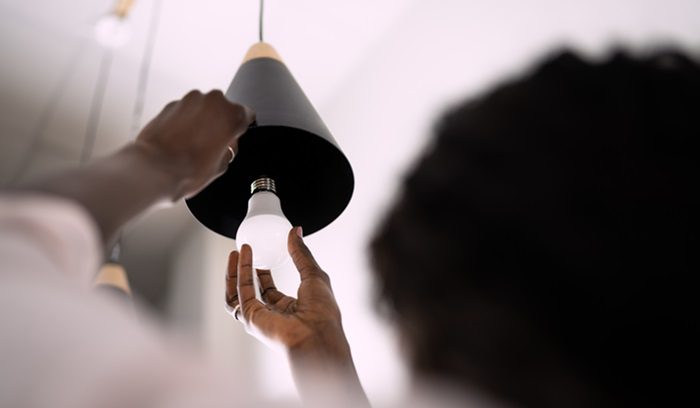
The Lexilife team tested the light’s efficiency on 300 people with dyslexia—and 90% of participants said that they could “effortlessly read a text illuminated by the lamp.”

Scientists at Monash University in Australia have developed a battery with a capacity five times higher than that of lithium-ion batteries that could lead to drastically cheaper electric cars and grid energy storage.