
Michelin’s airless passenger car tires get their first public outing
Michelin says “tweels” will last three times longer than normal tires, even when nothing goes wrong for the life of the tire, leading to a major reduction in waste.
This archive covers technology and innovation breakthroughs that improve lives, protect the environment, and expand human possibility. From medical devices to clean energy tools, the stories here focus on what’s working and who’s making it happen.

Michelin says “tweels” will last three times longer than normal tires, even when nothing goes wrong for the life of the tire, leading to a major reduction in waste.

The train was built by rail-freight company Wabtec and showcased at Carnegie Mellon University as part of a bid by the two organizations to decarbonize rail freight transport in the U.S., The Guardian reported.
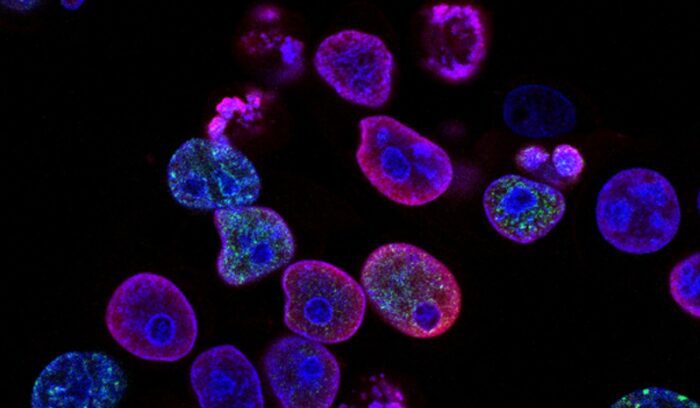
BioNTech, the German company that developed Pfizer’s covid-19 vaccine, is now testing whether mRNAs can treat cancer in humans. The treatment has already completely shrunk tumors in mice.

Climework’s latest facility, dubbed Orca, is designed to suck CO2 out of the air and store it away permanently underground as rocks. It will likely harvest roughly 4,000 tons of CO2 from the air every year.
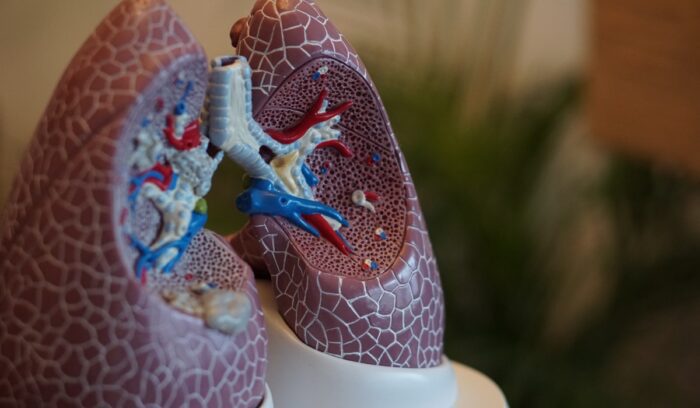
A new study by researchers at Johns Hopkins Kimmel Cancer Center is showing a novel blood test can detect the presence of lung cancer with over 90% accuracy using artificial intelligence.

A research team from Germany’s Martin Luther University Halle-Wittenberg and Brazil’s University of Pará has developed an alternative cement that drastically cuts emissions from production while meeting normal performance requirements.

HYBRIT — a joint venture between SSAB, Vattenfall, and mining company LKAB — aims to revolutionize a steel industry that, by some estimates, produces nearly 10% of all harmful greenhouse gas emissions.
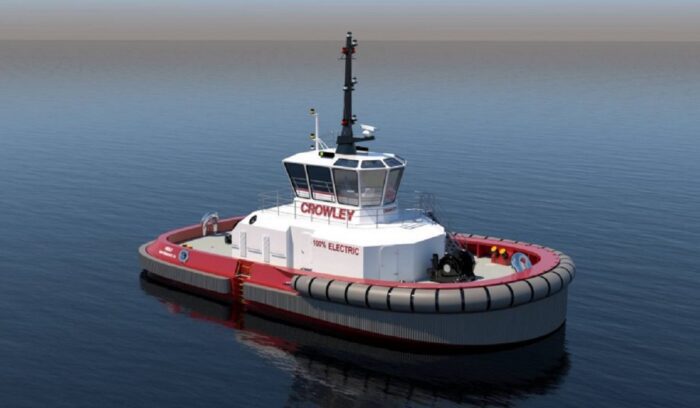
Crowley Maritime Corporation recently revealed their design for eWolf — the world’s first all-electric harbor tugboat, due to hit the water over the next two years.

Piñatex turns pineapple leaves into vegan, petroleum-free leather products. Now, Piñatex will have access to waste leaves from Dole’s Philippines farm, one of the largest pineapple plantations in the world.

The factory will have the capacity to produce 1,100 lb of cultured chicken, pork and lamb each day, which is equivalent to around 5,000 burgers, and the company says beef products are on the way.