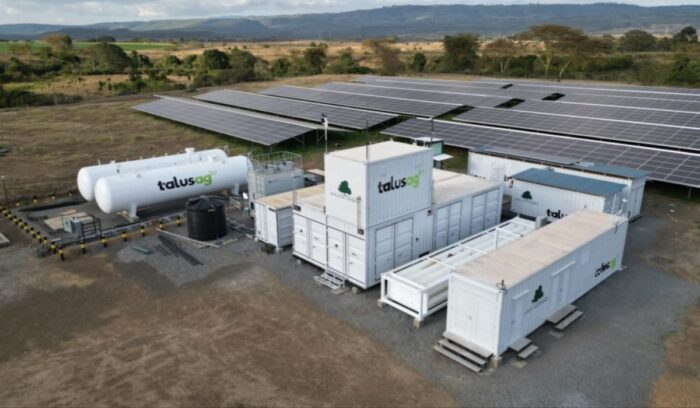
The Kenya Nut Company to become world’s first farm to produce fossil-free fertilizer on site
Every day, the plant will produce 1 ton of ammonia, which can be applied to crops as fertilizer.
In 2016, Antigua and Barbuda, the archipelago nation that owns Redonda, launched an eradication campaign that cleared the island of rats. After that, they simply waited.
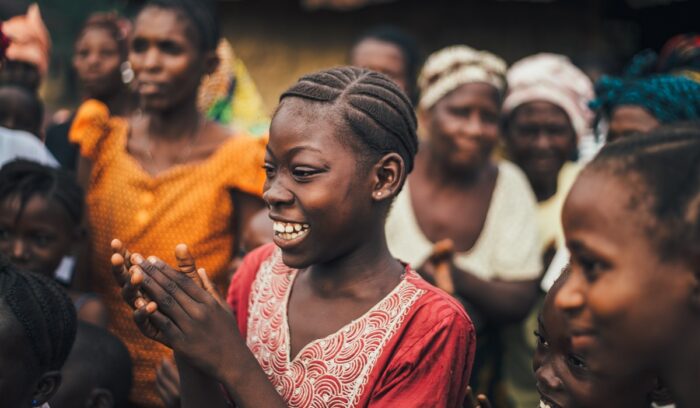
The SWEDD+ project has the potential to directly benefit over 2 million vulnerable girls aged between 10 to 19 years old who are at risk of child marriage, early pregnancy, gender-based violence, and leaving school in Burkina Faso, Chad, Senegal, The Gambia, and Togo.
The G20 is an intergovernmental forum comprising 19 sovereign countries, along with the EU, addressing major global economic issues. The African Union now has the same status as the EU offering a greater voice to African perspectives and interests.
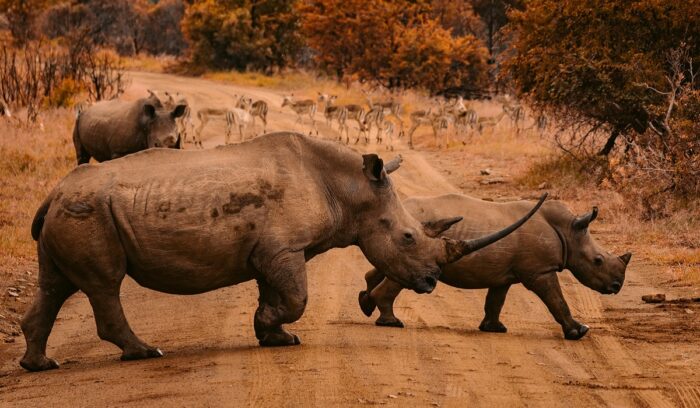
Africa’s biggest wildlife NGO, African Parks, secured significant emergency funding that not only allowed them to buy all the rhinos, but also pay for an international, intra-Africa relocation of the animals.
Community-based recycling organizations, which handpick litter, quadrupled in the last few years, now picking up 15% of all plastic waste generated in the country.
The South African Government is actively encouraging the uptake of new rooftop solar with targeted policy, including a new rebate scheme announced in February, which allows individuals who install new panels onto their homes to claim rebates equal to 25% of the cost of the panels.
The West African country currently has 170 men and six women on death row, whose sentences will now be replaced by life imprisonment. Until now, execution has been the mandatory sentence for murder in Ghana.
In a major boost to Kenya’s nascent electric motorcycle and tuk-tuk sector, Kenya’s largest bank has partnered with the United Nations Institute for Training and Research to roll out a program that is expected to create over 150,000 new green jobs over six years.
The first doses are expected to arrive during the last quarter of the year, with rollout set to start in Benin, Burkina Faso, Burundi, Cameroon, the Democratic Republic of the Congo, Liberia, Niger, Sierra Leone and Uganda by early 2024.