
The Jolof Empire comes to power in modern-day Senegal
The Jolof Empire, also known as the Wolof or Wollof Empire, was a West African state that ruled parts of Senegal from 1350 to 1549.

The Jolof Empire, also known as the Wolof or Wollof Empire, was a West African state that ruled parts of Senegal from 1350 to 1549.

In the 12th century, waves of Bantu-speaking immigrants arrived during the Bantu expansion. Among them, the Tonga people (also called Ba-Tonga, “Ba-” meaning “men”) were the first to settle in Zambia and are believed to have come from the east near the “big sea”.

The empire began as a small Mandinka kingdom at the upper reaches of the Niger River, centred around the town of Niani (the empire’s namesake in Manding).
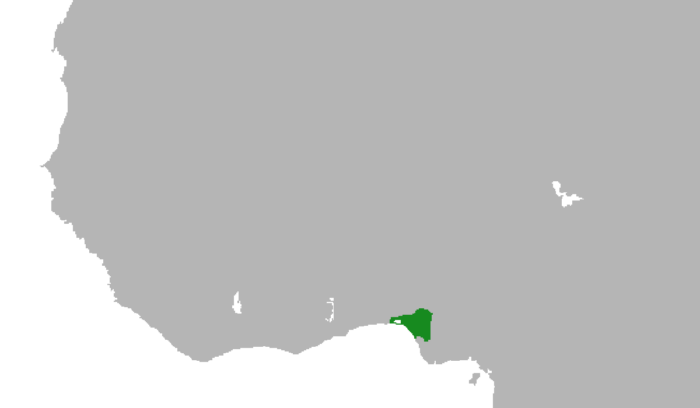
The Benin Kingdom was “one of the oldest and most highly developed states in the coastal hinterland of West Africa, dating perhaps to the eleventh century CE”,[2] until it was annexed by the British Empire in 1897.
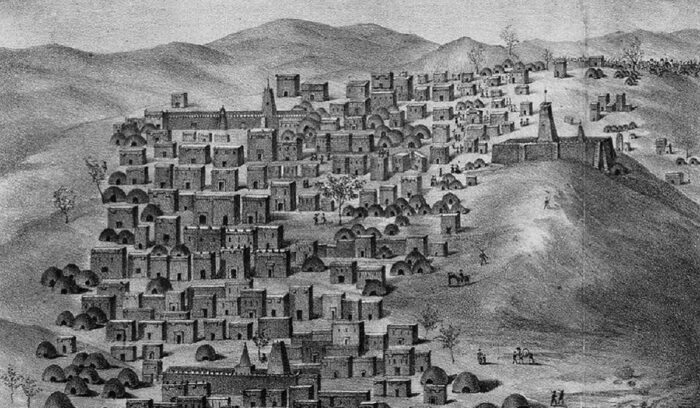
Timbuktu started out as a seasonal settlement and became a permanent settlement early in the 12th century. After a shift in trading routes, Timbuktu flourished from the trade in salt, gold, ivory, and slaves.

Great Ardra, also known by numerous variant spellings, was a coastal West African kingdom in what is now southern Benin. It was named for its capital, the modern Allada.

Dagomba are one of the ethnic groups with a sophisticated oral tradition. Most of their history, until quite recently, has been passed down via oral tradition with drummers as professional griots.

The Kingdom of Mapungubwe (c.1075–1220) was a medieval state in South Africa located at the confluence of the Shashe and Limpopo rivers, south of Great Zimbabwe.

The first period of Malagasy oral history is known as the Vazimba period, beginning with the Vazimbas’ establishment of kingdoms – often ruled by Queens – in the central Highlands region of Madagascar.

Author Onwuejeogwu suggested that Nri influence in Igboland may go back as far as the 9th century, and royal burials have been unearthed dating to at least the 10th century.