
Indonesia to cut tuna harvest in bid for more sustainable fishery
Indonesia will reduce its overall tuna catch by 10% over the course of three years, citing unsustainable current levels of fishing.
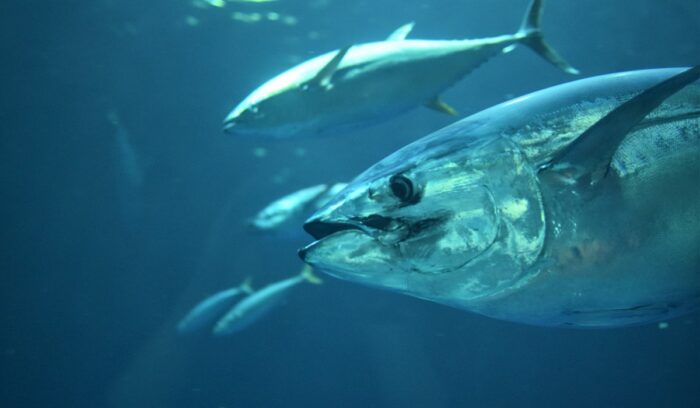
Indonesia will reduce its overall tuna catch by 10% over the course of three years, citing unsustainable current levels of fishing.

Foton Motor in China has been actively promoting its electric vehicle lineup in international markets. Its goal is to increase its annual sales of new energy vehicles to 200,000 units by 2025.
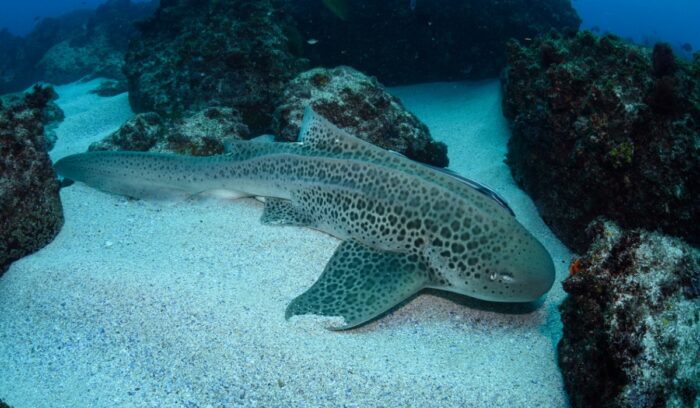
An international consortium of 44 aquariums in 15 countries is banding together to create a huge captive-breeding-and-release program that aims to reintroduce 500 zebra sharks to their native waters in Indonesia’s Raja Ampat.

For years, Thailand has focused on curtailing its illegal trade in terrestrial wildlife. Recently, the country has been doing the same for coral species, a critical element of its marine ecosystems.

A new study from the University of Auckland shows that reef manta ray populations in the region have seen up to 10.7% compound annual increase from 2009-2019.

Over the past decade, rubella cases have decreased dramatically in the Western Pacific Region, as millions of babies and young children have been reached with vaccines.
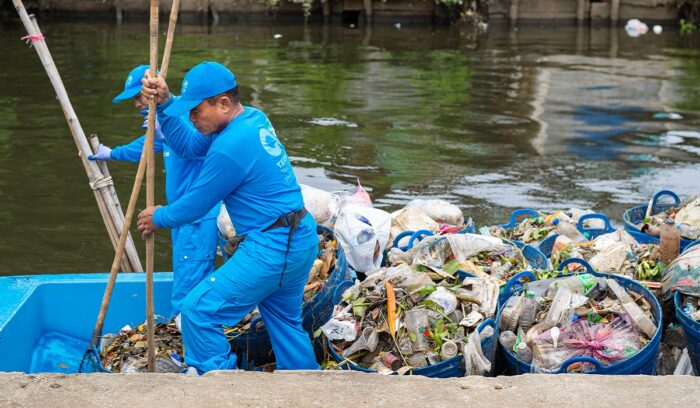
The Foundation partners with local community and government organizations to stop waste from reaching the ocean, where it degrades and becomes harder to capture and recycle.
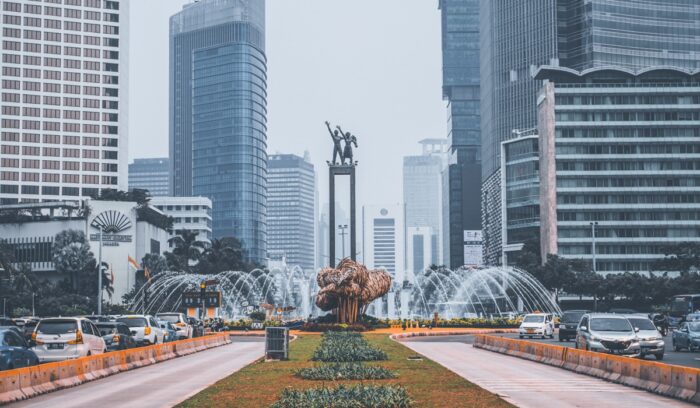
Under the partnership, Indonesia will aim to cap its emissions from the power sector by 2030, faster than the initial target of 2037, and to generate 34% of its electricity from renewable sources by 2030.

In the past, the system was designed only to ensure that all timbers produced in Indonesia were from legal sources, not from illegal deforestation.

In the deal, the Nordic country will pay Indonesia, home to the world’s third-largest tropical forests, to keep its forests standing, thereby reducing its emissions.