
India approves massive new 5,000 megawatt solar farm
India’s federal government recently gave the go-ahead for development of the country’s largest solar power park in the state of Gujarat.

India’s federal government recently gave the go-ahead for development of the country’s largest solar power park in the state of Gujarat.

The country becomes the first in WHO’s South-East Asia Region to defeat the world’s leading infectious cause of blindness.
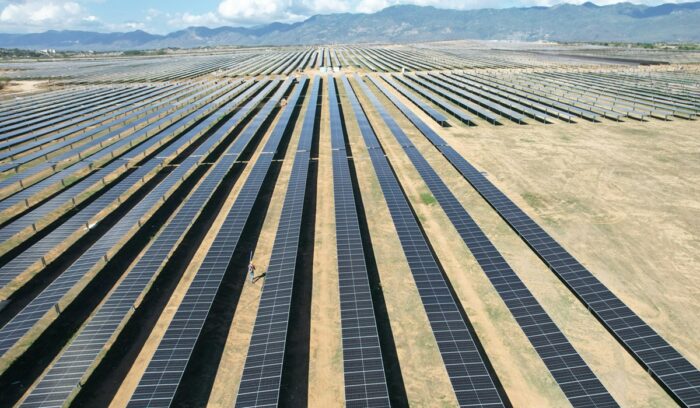
Renewable energy prices in India are crashing, leaving coal-based power plants in the country financially unviable in their wake.

The Transgender Persons (Protection of Rights) Act allows people to choose their gender and to have that identity recognized on official documents, including national IDs, passports and driver’s licenses.

Malik says she had to work hard to break taboos and finally be accepted by a society that discriminates against transgender people.
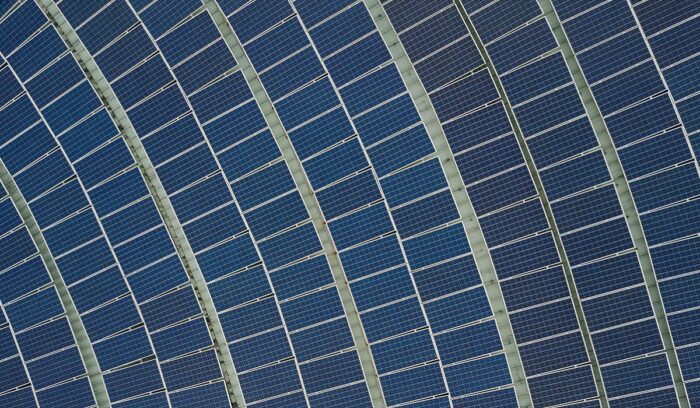
The Solar Energy Corporation of India (SECI), which is administered by the Ministry of New and Renewable Energy of India (MNRE) has invited expressions of interest to build 10,000 MW of floating solar PV over the next three years.

A two-day workshop concluded with a declaration by the 67 NGOs from the 13 districts of Andhra Pradesh to take up Agenda 2030 of the Poorest of the Poor in a committed manner.

Under the Paris Agreement, India has pledged to increase its forests by 95 million hectares by 2030, costing around $6.2 billion.
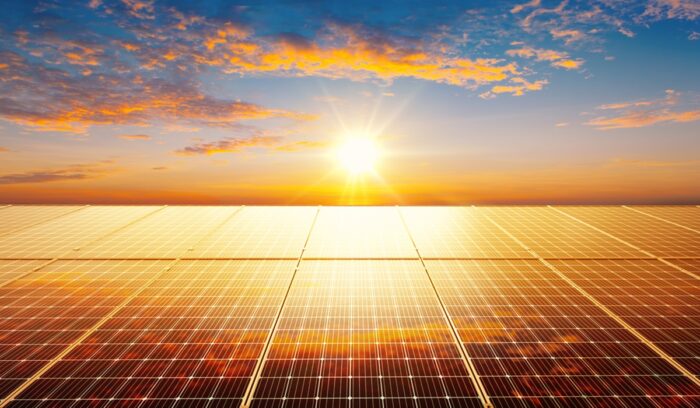
Around 956.8 megawatts (MW) of solar capacity is now under development at 28 locations across Pakistan, with 556.5 MW set for completion by the end of 2018.
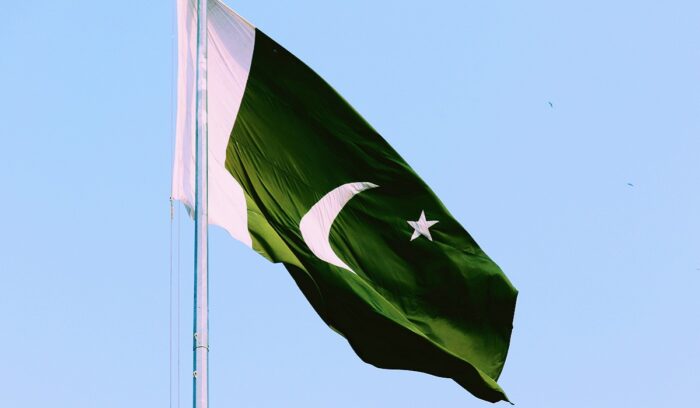
Instead of having “male” or “female” listed on their official documents, Pakistani transgender men and women can have a “X” under the sex category.