
The Wari culture flourishes in modern-day Peru
Based at their capital Huari, the Wari successfully exploited the diverse landscapes they controlled to construct an empire administered by provincial capitals connected by a large road network.

Based at their capital Huari, the Wari successfully exploited the diverse landscapes they controlled to construct an empire administered by provincial capitals connected by a large road network.
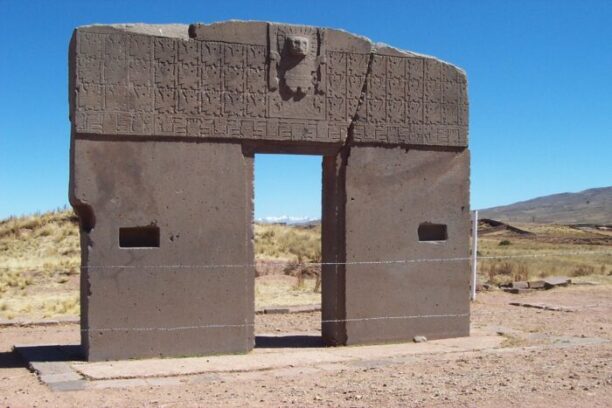
Tiwanaku was one of the most significant Andean civilizations. Its influence extended into present-day Peru and Chile and lasted from around 550 to 1000 C.E.
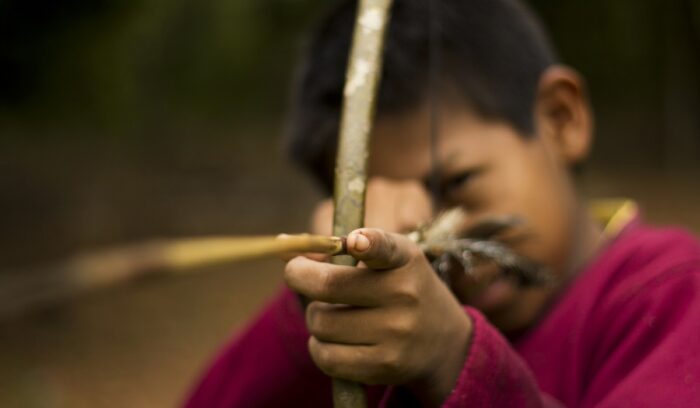
Guaranà are a group of culturally related indigenous peoples of South America. The traditional range of the Guaranà people is in present-day Paraguay, Argentina, Brazil, Uruguay, and Bolivia.

The Moche civilization (also known as the Mochica) flourished along the northern coast and valleys of ancient Peru, in particular, in the Chicama and Trujillo Valleys, between 1 CE and 800 CE.
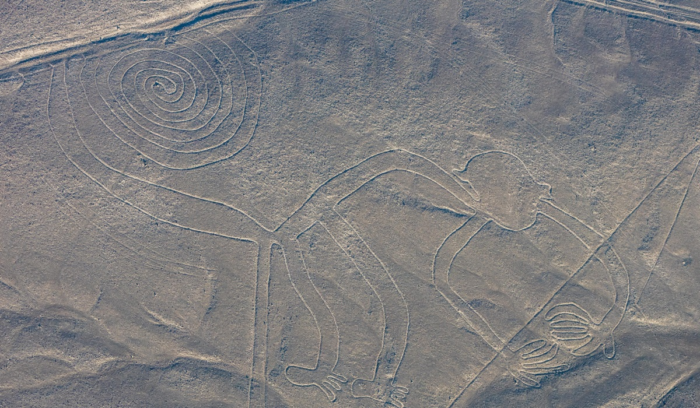
Scratched on the ground, they number in the thousands and depict creatures from both the natural world and the human imagination.
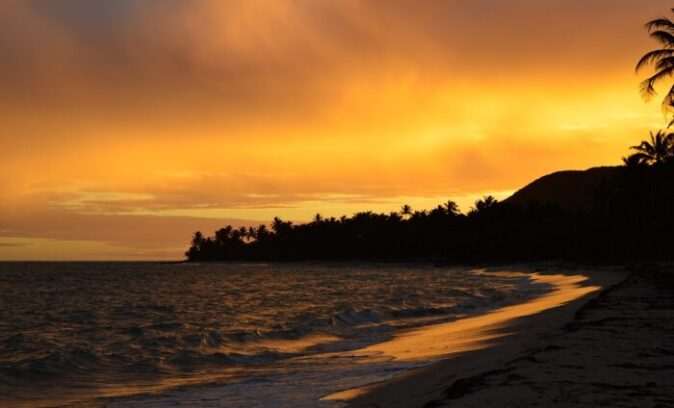
Saladoid culture is a pre-Columbian indigenous culture of territory in present-day Venezuela and the Caribbean that flourished from 500 B.C.E. to 545 C.E. Concentrated along the lowlands of the Orinoco River, the people migrated by sea to the Lesser Antilles, and then to Puerto Rico.

Pre-Columbian Venezuela had an estimated population of one million. The Timoto-Cuica culture was the most complex society in Pre-Columbian Venezuela; with pre-planned permanent villages, surrounded by irrigated, terraced fields and with tanks for water storage.

About 4,000 years ago Charrúa and Guarani people arrived here. During pre-colonial times Uruguayan territory was inhabited by small tribes of nomadic Charrúa, Chaná, Arachán and Guarani peoples who survived by hunting and fishing and probably never reached more than 10,000 to 20,000 people.

Caral was a large settlement in the Supe Valley, near Supe, Barranca Province, Peru. Caral is the most ancient city of the Americas and a well-studied site of the Norte Chico civilization.

Quinoa was first domesticated by Andean peoples around 3,000 to 4,000 years ago and has been an important staple in the Andean cultures.