South America

Close-up of jaguar eyes

Once on the brink of local extinction, jaguars across the Brazil-Argentina border have more than doubled since 2010

In the 90s, the Green Corridor, a 457,000-acre stretch of protected land that links Argentina’s Iguazú National Park and Brazil’s Iguaçu, was home to between 400 and 800 jaguars. By 2005, that number had dropped to 40. Today, thanks to coordinated conservation efforts between the two countries, the population has grown to at least 105. Women-led economic initiatives and formal institutional support, like “Jaguar Friendly” certification for the local airport, have proven vital to strengthening human-wildlife connections and bolstering conservation efforts.

Coal plant on the water

No new coal plants planned for South America for the first time since the 1800s

When the Paris Agreement was signed in 2015, South America had eighteen coal-fired plants on the drawing board, reflecting global uncertainty about the role coal would play in powering emerging economies. Today, that uncertainty has vanished. Coal, once perceived as a staple of industrialization and economic stability, has essentially vanished from the continent’s energy future.

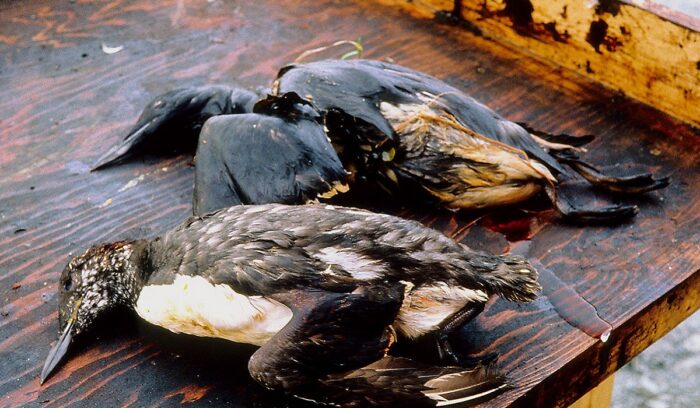
Dead birds covered in oil

Guyana lawmakers pass bill making companies liable for oil spill damages

The legislation stipulates that responsible parties provide financial assurance to cover spills, conduct regular inspections and audits, and address any issues found.
The legislation stipulates that responsible parties provide financial assurance to cover spills, conduct regular inspections and audits, and address any issues found. It also includes penalties for companies that fail to comply with regulations, including the suspension of licenses to explore and produce oil for those that do not provide the financial assurance required. The bill, which passed with a majority of votes cast in a simple voice vote, is expected to be signed into law by President Irfaan Ali soon.

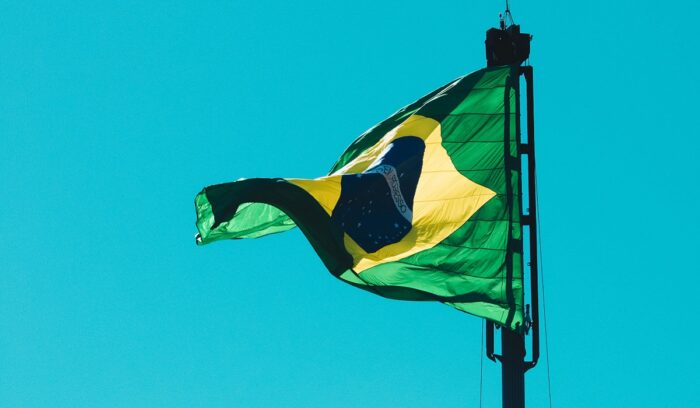
Brazilian flag

Brazil court grants gender-neutral ID in historic victory

A nonbinary person in Brazil has been granted official documents with a neutral gender marker for the first time in a unanimous court decision. The case involves a person who originally requested to be recognized as male on their official documents after starting hormone replacement therapy, but later regretted this decision and appealed to the Supreme Court of Justice in Brasilia. According to the AP, the case represents the first time that someone in Brazil has been able to get gender-neutral official documents in the country.

Amazon rainforest burning

Brazilian judge orders seizure of illegally cleared lands in the Amazon

Justice Flávio Dino of the Brazilian Supreme Court has directed the government to seize private lands where forests have been illegally razed. By one estimate, more than half of the forest lost in the Brazilian Amazon has been on private lands. The ruling also calls for halting the process known as regularization, by which land grabbers are granted title to stolen lands, even when they have illegally destroyed forest on those lands. The decision, which may be appealed, further requires the government to seek compensation from landowners who have destroyed forest.

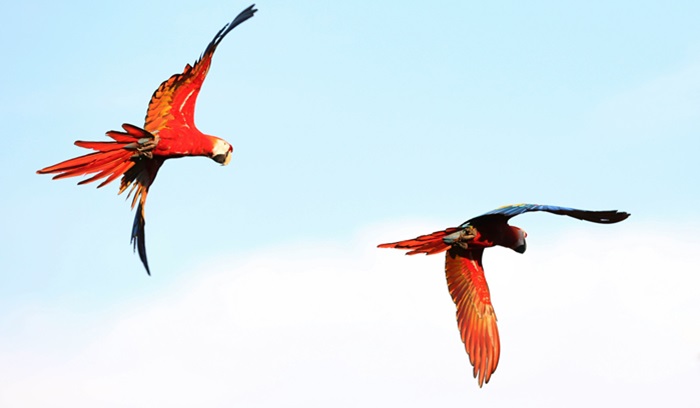
Two parrots flying

One of the rarest parrot species in Brazil doubles in population in last 20 years

Habitat loss and the illegal pet trade drove the red-tailed amazon, endemic to the southeastern Brazilian coast, to fewer than 5,000 individuals by the end of the 20th Century. Thanks to a project to install artificial nests on an island on the Paraná coast, the number of parrots has almost doubled in the last 20 years, taking the bird from “endangered” to “near threatened” status, the only case of its kind in Brazil. Although trafficking has decreased, it remains an active threat to the species’ survival.

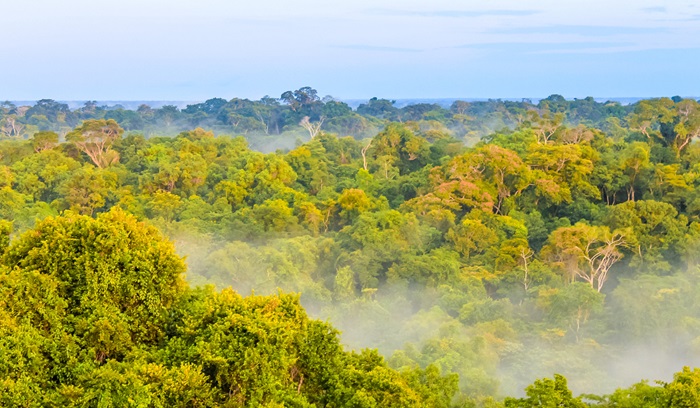
Morning fog over the brazilian rainforest in Brazil

Colombia creates landmark territory to protect uncontacted Indigenous groups

Colombia has created a first-of-its-kind territory meant to protect a group of Indigenous people living between the Caquetá and Putumayo Rivers in the Amazon Rainforest. The 2.7-million-acre territory is the first in the country specifically designed for people living in isolation. The Yuri-Passé people have faced increasing pressure from illegal mining and organized crime groups, forcing neighboring Indigenous communities to reach out to the government on their behalf. The creation of the territory follows years of advocacy by human rights and conservation groups.

Amazon

Brazil’s crackdown on illegal mining in Munduruku Indigenous land sees success

Since November 2024, government agents have carried out 523 actions, destroying 90 camps, 15 vessels, 27 heavy machinery, and 224 engines. The coordinated government effort caused losses of $1.9 million USD to criminals. The 5.9-million-acre Munduruku Indigenous Territory, home to 6,500 people, is one of the lands that has been hardest hit by illegal mining in the country. During Bolsonaro’s administration, there was a 363% increase in the area degraded by mining which brought diseases, mercury contamination, attacks, and deaths to communities.

Brazilian Indigenous protest victory

Indigenous protests in Brazil topple law seen as threat to rural schools

After 23 days of protests, Indigenous groups and teachers in the Brazilian state of Pará have successfully pressured Governor Helder Barbalho to revoke a controversial education law that favored online learning in remote communities and slashed benefits for teachers. According to Indigenous leaders and the local teachers’ union, the law eliminated the existing education framework, cut teachers’ incomes, including a transportation allowance for teachers to reach remote communities.

Someone holding a phone opening the TikTok app

Brazil bans smartphones in schools to aim for better learning

Brazil’s Ministry of Education says that the restriction aims to protect students’ mental and physical health while promoting more rational use of technology. Institutions, governments, parents, and others have for years have associated smartphone use by children with bullying, suicidal ideation, anxiety, and loss of concentration necessary for learning. China moved last year to limit children’s use of smartphones, while France has banned smartphones in schools for kids aged six to 15.