
Cowboy boots become popular in the United States
Fashion magazines from 1850 and 1860 show the cowboy boot with top-stitching, cutouts of geometric or other natural elements and under-slung heel.
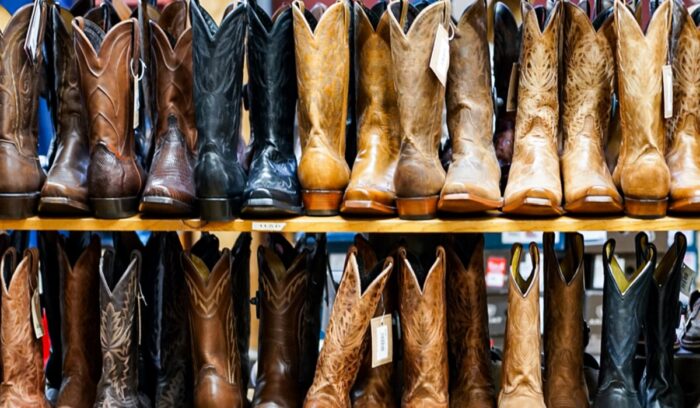
Fashion magazines from 1850 and 1860 show the cowboy boot with top-stitching, cutouts of geometric or other natural elements and under-slung heel.

Narrative of the Life of Frederick Douglass is an 1845 memoir and treatise on abolition written by famous orator and former slave Frederick Douglass. It is generally held to be the most famous of a number of narratives written by former slaves during the same period.
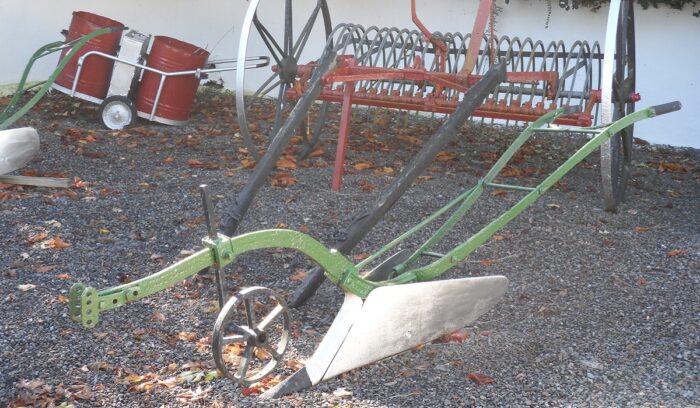
The wrought-iron framed plow had a polished steel share. This made it ideal for the tough soil of the Midwest United States and worked better than other plows.
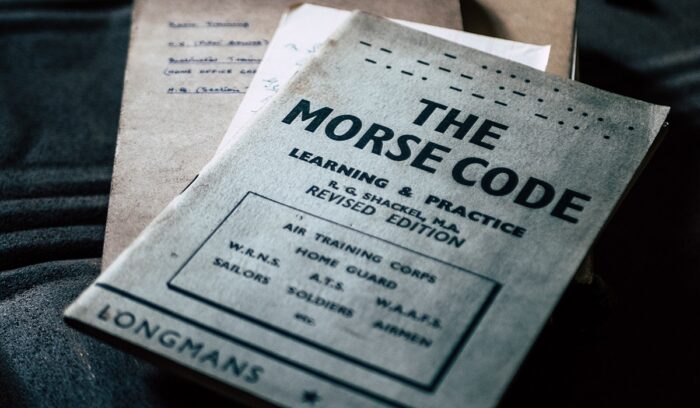
In an emergency, Morse code can be sent by improvised methods that can be easily “keyed” on and off, making it one of the simplest and most versatile methods of telecommunication.
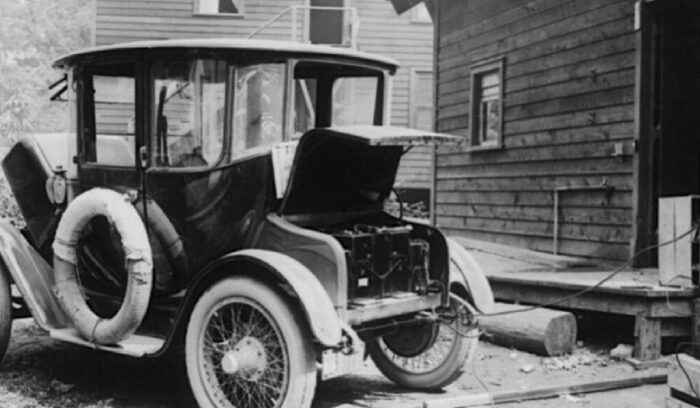
As early as 1834, he and his wife Emily Davenport developed a battery-powered electric motor. They used it to operate a small model car on a short section of track, paving the way for the later electrification of streetcars. It was the first-ever attempt to apply electrification to locomotion. With his wife Emily and colleague Orange Smalley, Davenport received the first American patent on an electric machine in 1837, U. S. Patent No. 132.

This Act of the Parliament of the United Kingdom expanded the jurisdiction of the Slave Trade Act 1807 and made the purchase or ownership of slaves illegal within the British Empire, with the exception of “the Territories in the Possession of the East India Company.”

Honduras gained independence from Spain in 1821 and was a part of the First Mexican Empire until 1823, when it became part of the United Provinces of Central America. It has been an independent republic and has held regular elections since 1838.
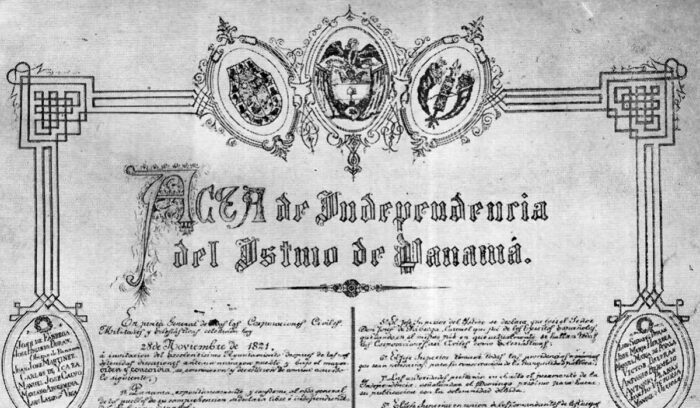
Timing the action with the rest of the Central American isthmus, Panama declared independence in 1821 and joined the southern federation.
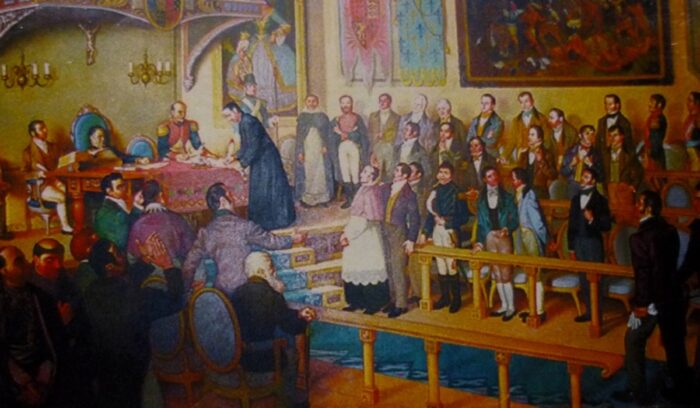
The Act led to the eventual formation of the modern nations of Costa Rica, Guatemala, El Salvador, Honduras, and Nicaragua.

On August 24, 1821, O’Donojú signed the Treaty of Córdoba, thus ending New Spain’s dependence on Old Spain.