
The first Earth Day is celebrated
Earth Day was the brainchild of U.S. Senator Gaylord Nelson of Wisconsin, a staunch environmentalist who hoped to provide unity to the grassroots environmental movement and increase ecological awareness.

Earth Day was the brainchild of U.S. Senator Gaylord Nelson of Wisconsin, a staunch environmentalist who hoped to provide unity to the grassroots environmental movement and increase ecological awareness.

ARPANET was an early packet-switching network and the first network to implement the protocol suite TCP/IP. Both technologies became the technical foundation of the Internet.

After the astronauts returned safely to Earth, another five NASA crewed lunar missions followed in their footsteps. The last, Apollo 17, landed on December 14 1972.

American inventor James T. Russell has been credited with inventing the first system to record digital information on an optical transparent foil that is lit from behind by a high-power halogen lamp.

Vinson Massif is a large mountain massif and the highest peak in Antarctica.
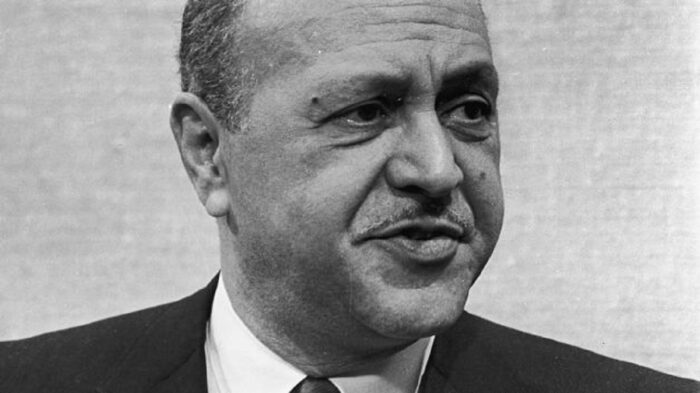
As HUD’s senior administrator, Weaver expanded affordable housing programs and, in 1968, advocated for the passage of the Fair Housing Act,

The United Nations Development Programme (UNDP) is a United Nations agency tasked with helping countries eliminate poverty and achieve sustainable economic growth, and human development. Based at United Nations Headquarters in New York City, it is the largest U.N. development aid agency, with offices in 177 countries. As the poor are disproportionately affected by environmental degradation and lack of access to clean, affordable water, sanitation, and energy services, UNDP also seeks to address a wide range of environmental and conservation issues.
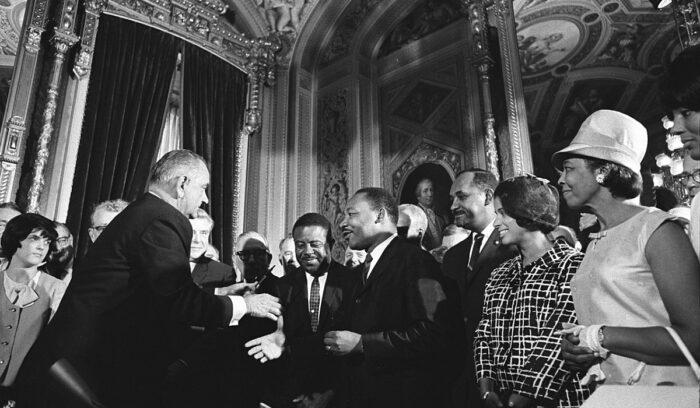
According to the U.S. Department of Justice, the Act is considered to be the most effective piece of federal civil rights legislation ever enacted in the country.
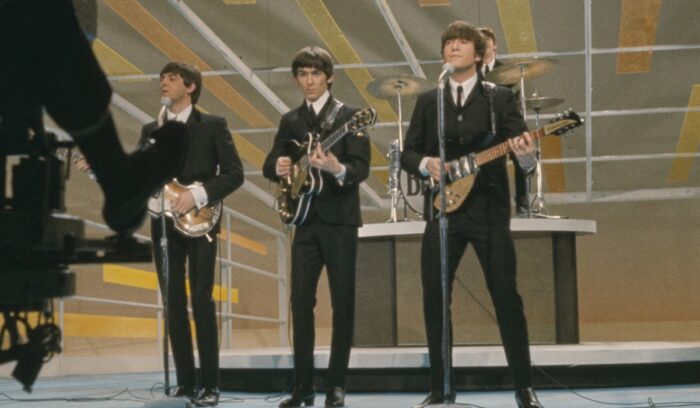
It is estimated that 73 million Americans were watching that night as the Beatles made their live U.S. television debut.

In 1964, Moog began creating the Moog synthesizer. The synthesizer was composed of separate modules which created and shaped sounds, connected by patch cords.