
World’s first water-free system dyes fabrics with CO2
DyeCoo uses a machine that dyes fabrics with pressurized CO2, which allows dyes to quickly dissolve and penetrate the textile — all without the use of water or chemicals.

DyeCoo uses a machine that dyes fabrics with pressurized CO2, which allows dyes to quickly dissolve and penetrate the textile — all without the use of water or chemicals.

A Switzerland-based startup called CRISPR Therapeutics just used gene-editing name to treat someone with the blood disease beta thalassemia. It marks the first time CRISPR gene editing has been used in a Western clinic.
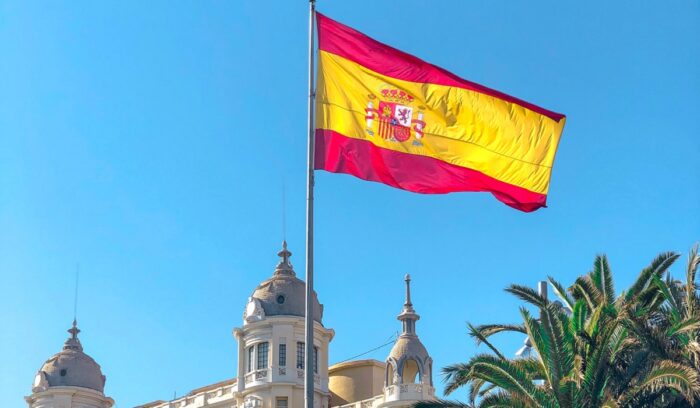
The Spanish government approved the plan proposing that renewables make up 42% of the final energy consumption in 2030.
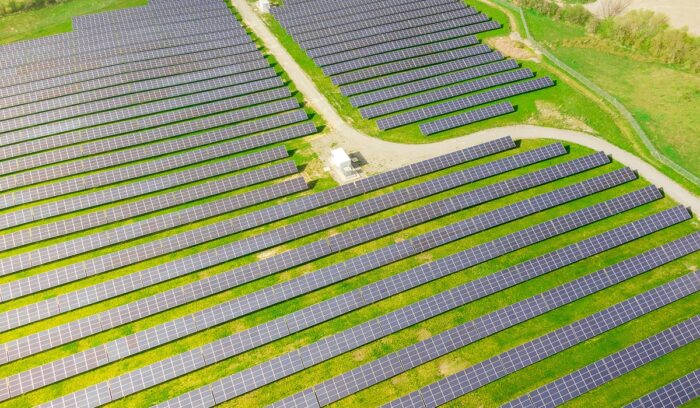
The European Union installed 8 gigawatts (GW) of new solar capacity in 2018, according to the region’s solar trade body SolarPower Europe, an increase of 36% over 2017 figures.

In the declaration, the five countries commit to step up ambition by 2020, enhance their Nationally Determined Contributions (NDCs) for the Sustainable Development Goals, and intensify their cooperation.

A brand new type of cancer drug that acts as a “Trojan horse” to get inside tumor cells has shown promise in patients with advanced, drug-resistant cancers. Patients with six different cancer types have responded positively to the new treatment.

Following in the footsteps of Greta Thunberg, school children across the U.K. have gone on strike for climate change. A new initiative called ‘Fridays for Future’ has been introduced, this will mean that students will strike every Friday until the government respond with an appropriate action.
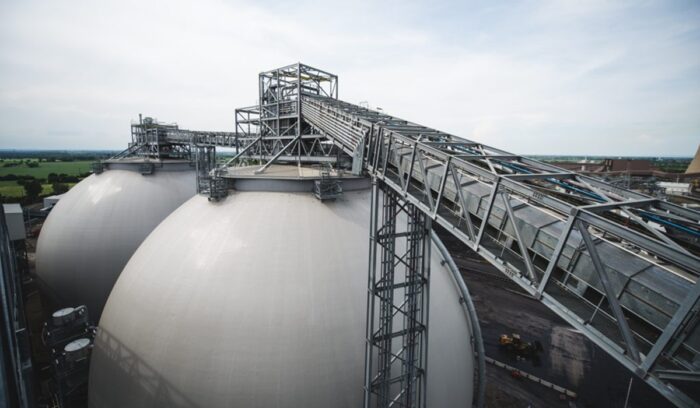
The Royal Society and Royal Academy of Engineering have estimated that Drax could capture 50 million tonnes of carbon per year by 2050 – about half the nation’s emissions target.

A two-year study in Finland found that people who received UBI worked no less than a control group — bolstering the case for a basic income as the world economy transitions to greater automation.
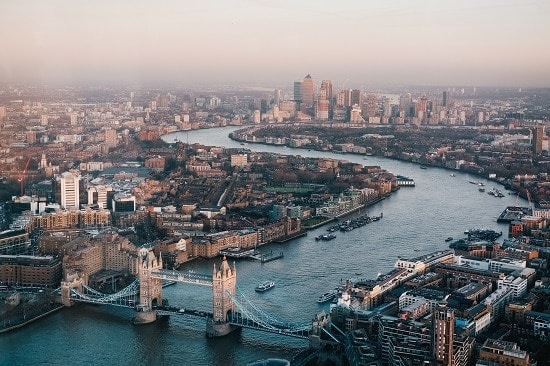
A final report of the U.K.’s carbon emissions from 1990-2017 has found that CO2 levels have fallen again.