
First brown bear for 150 years seen in national park in northern Spain
“Years of conservation work in the Invernadeiro national park have allowed it to become a suitable habitat for the brown bear.”
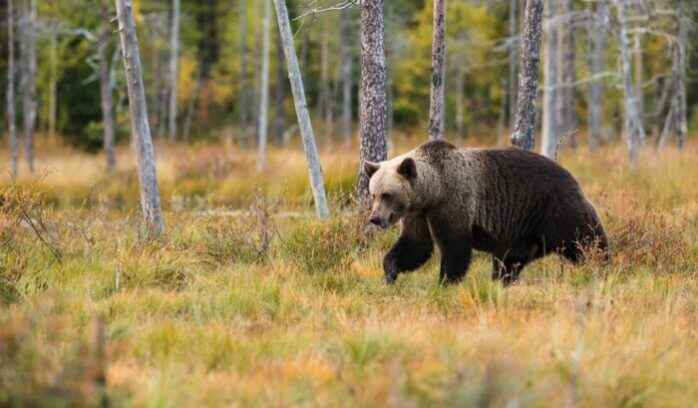
“Years of conservation work in the Invernadeiro national park have allowed it to become a suitable habitat for the brown bear.”
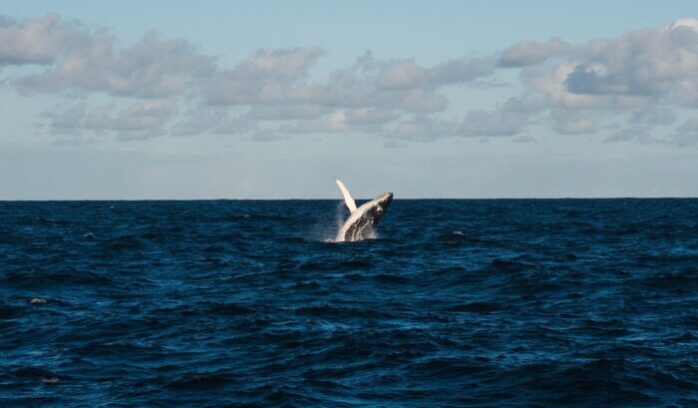
For the second year in a row, Iceland’s two whaling companies will skip the annual whale hunt. One of the companies, IP-Utgerd, which specializes in the hunting of minke whales have announced they will never hunt whales again.

In a motion passed by Oxford’s governing body, the Congregation, which is made up of 5,500 academic and administrative members, the university is now required to cut all ties with fossil fuel firms and end future investment in these companies.

A milder than expected winter led to lower demand for electricity and so the decision was made to close the entire facility now instead of waiting until 2022.
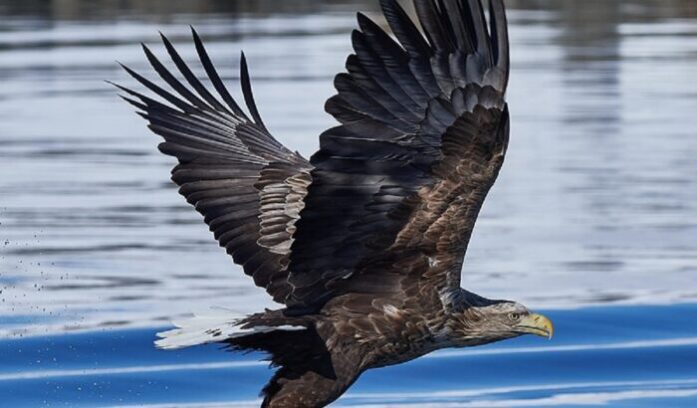
The incredible creatures, also known as Sea Eagles, went extinct in England in the early 20th century due to illegal killing. But thanks to a pioneering project by Forestry England and the Roy Dennis Wildlife Foundation, there is new hope for the majestic birds.
The first patients have been enrolled in human trials for a coronavirus vaccine at the historic University of Oxford after the U.K.’s Health Secretary said the country would be “throwing everything” behind the project.
Mental health conditions such as obsessive compulsive disorder (OCD) could be treated in a new way using drugs that target the immune system instead of the central nervous system, suggests exciting new research.

Austria has shut down its last coal-fired power plant as part of a plan to end the use of fossil fuels for energy production by 2030.

Solar generation in Germany experienced its best week yet, accounting for 23%of the country’s electricity generation, helping renewables reach a 55% share.
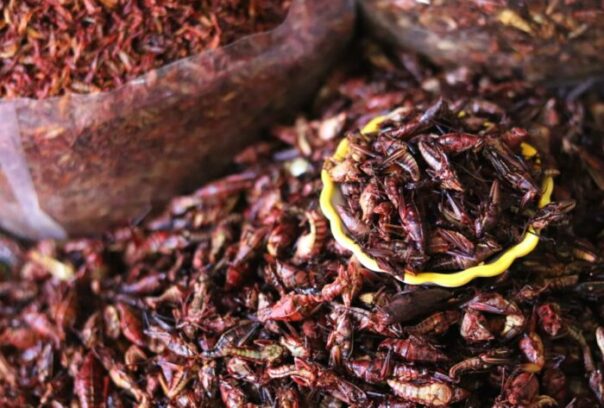
In the next few weeks, the European Union’s Food Safety Authority is expected to classify several types of insects as safe for human consumption.