Europe

Cosmetics

E.U. will force cosmetic companies to pay to reduce micropollutants

Under draft rules that follow the “polluter pays principle”, companies that sell medicines and cosmetics will have to cover at least 80% of the extra costs needed to get rid of tiny pollutants that are dirtying urban wastewater. Governments will pay the rest, members of the bloc said, in an effort to prevent vital products from becoming too expensive or scarce.

Lionesses and cubs

Belgium bans import of hunting trophies from endangered species

Before the ban, Belgium allowed the import of trophy species vulnerable to extinction such as hippopotamus, cheetahs and polar bears. The new law will stop the import of hunting trophies from many species currently at risk of extinction or that could be threatened unless trade is limited. The bill will protect all species listed in the European Regulation on the protection of species of wild fauna and flora.

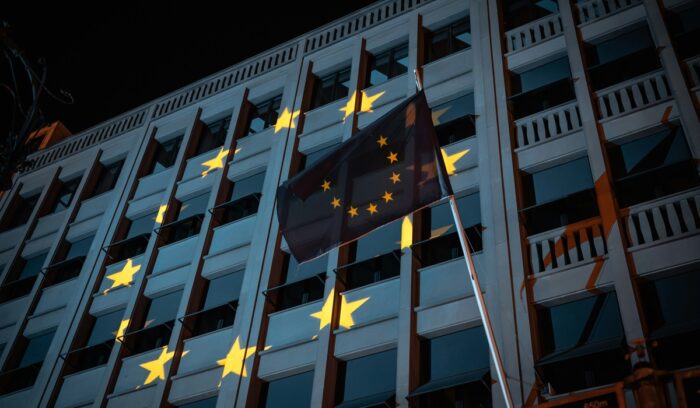
EU flag at night

E.U. fossil fuel CO2 emissions hit 60-year low

The European Union pumped out 8% less carbon dioxide from the fossil fuels it burned in 2023 than it did in 2022, pushing these emissions down to their lowest level in 60 years. The fall is the steepest yearly drop on record behind 2020, when governments shuttered factories and grounded flights to stop the spread of Covid-19, according to analysis from the Centre for Research on Energy and Clean Air.

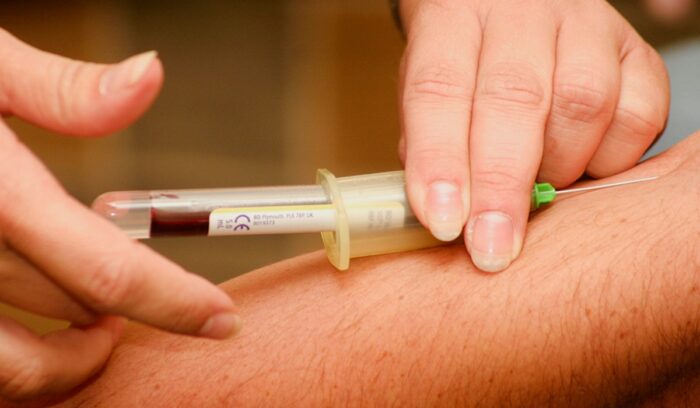
Person having blood drawn

Breakthrough Alzheimer’s blood test could detect disease 15 years before symptoms emerge

A recent trial of 786 people – conducted by Dr. Nicholas Ashton at the University of Gothenburg in Sweden and colleagues – found the new test to be as accurate at detecting the signs of Alzheimer’s as painful lumbar punctures, and better than a range of other tests currently being worked on. Experts say it could pave the way for national screening programs for people 50 and over, and that current treatments could work better with the cases picked up earlier.

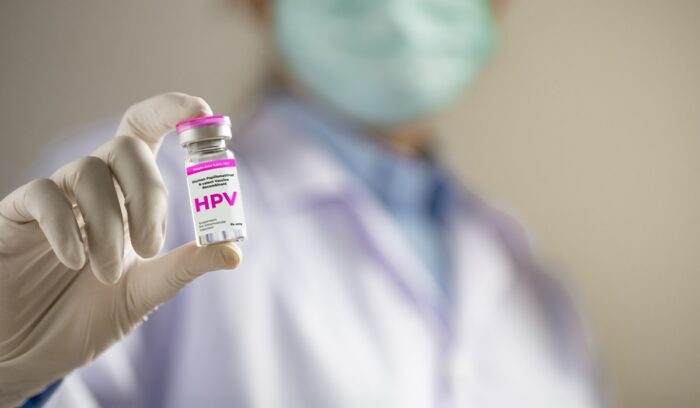
Doctor holding vial of HPV vaccine

No cervical cancer cases in HPV-vaccinated women in Scotland

A new study from Public Health Scotland has found that no cases of cervical cancer have been detected in young women who have been fully-vaccinated as part of the HPV immunization program, concluding that the vaccine was “highly effective” in preventing the development of the cancer. Scotland’s HPV vaccination program started in 2008 with girls offered the vaccine in their first year at secondary school.

Tourists on Main Market Square in Krakow

Poland’s Clean Household Energy Initiative projected to prevent 20,000 deaths annually by 2030

A new Polish national program plans to replace half the country’s 2.7 million wood and coal-fired furnaces with natural gas furnaces or even more efficient heat pumps by 2030. The policy is projected to save more than 21,000 lives a year in Poland, increase the number of people breathing clean air 15-fold, and help Poland reach new E.U. air quality standards.

Fjord

Norway moves aggressively to curb cruise ship emissions to protect fjords

Starting in 2026, only ships powered by alternative fuels will be allowed to visit Norway’s fjords. Lawmakers want to protect the unique natural environment and stop marine diesel oil and mass tourism from damaging the climate. Some ships are now powered by liquefied natural gas (LNG), but that will no longer qualify as an acceptable fuel for cruise ships visiting the fjords of Norway.