Europe

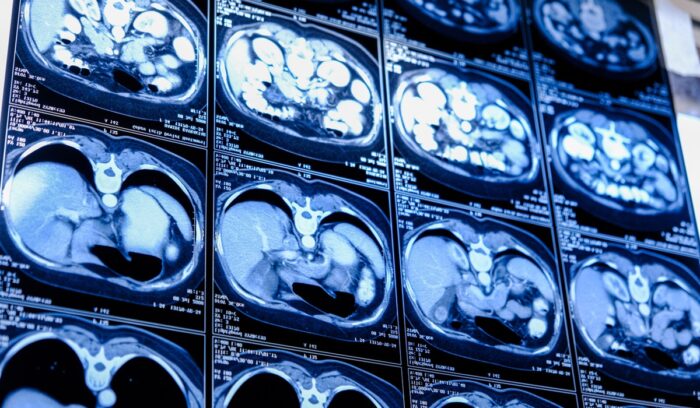
Brain scan

Belgian boy becomes first child in the world to be cured of brain stem glioma

Brain stem glioma, officially called diffuse intrinsic pontine glioma (DIPG), is rare and lethal, diagnosed in just 300 children annually in the United States. The two-year survival rate is 10%, and no drug is widely available for its treatment beyond radiotherapy. After the boy’s diagnosis, the family traveled to France to take part in a randomized controlled trial. He was randomly assigned the drug everolimus, which he took for more than 5 years with remarkable success.

Colorful ribbons on pink background|Doctor

New drug offers breakthrough in treatment of asbestos-linked cancer

Scientists at Queen Mary University of London have developed a drug to treat mesothelioma, a notoriously deadly and hard-to-treat cancer linked to asbestos, in the biggest breakthrough in two decades.
An international trial spanning five countries found that the new drug, ADI-PEG20, cuts off the tumor’s food supply and quadruples three-year survival rates. It is the first of its kind to be successfully combined with chemotherapy in 20 years.

Good news for LGBTQ rights

Greece legalizes same-sex marriage

Greece has become the first Christian Orthodox-majority country to legalize same-sex marriage. Same-sex couples will now also be legally allowed to adopt children after the 176-76 vote in parliament. Prime Minister Kyriakos Mitsotakis proclaimed “People who have been invisible will finally be made visible around us, and with them, many children will finally find their rightful place.”

Woman wearing head covering

E.U. reaches first-ever agreement to eliminate various forms of violence against women

The European Union has reached a historic agreement to protect women from different forms of violence, including female genital mutilation, forced marriages, and online harassment. Violence against women and girls is one of the most systematic and common human rights violations globally. According to the European Council, one in three women in Europe has experienced physical or sexual violence and 600,000 have undergone female genital mutilation.

Aerial view of container ship

Decarbonization containers turn 78% of marine emissions into limestone in new pilot

A remarkable pilot project installed on a 787-ft. container ship has proven it’s possible to capture emissions from the smokestacks of cargo ships with 78% efficiency and convert the CO2 into limestone pebbles, which can be offloaded and sold. London startup Seabound, funded by a US$1.5-million grant from the UK Government, partnered up with global shipping company Lomar to install the carbon capture equipment on one of its older and dirtier-burning ships, a medium-sized vessel capable of carrying more than 3,200 shipping containers.

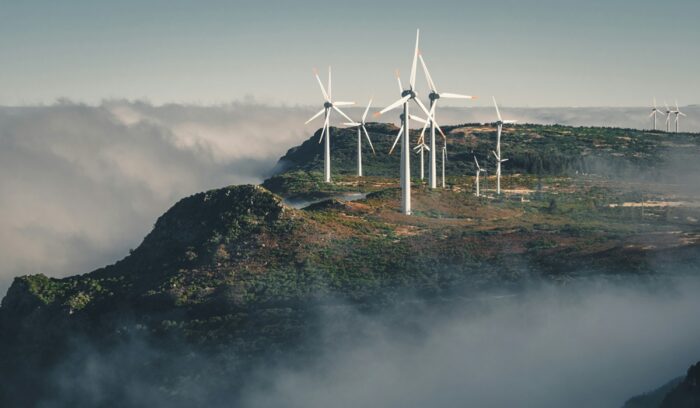
Wind turbines amid clouds

Wind power overtakes natural gas in the E.U. for first time ever

The ⁠European Union saw a record drop in fossil fuel power last year, according to a new analysis by energy think tank Ember. In 2023, coal generation fell by 26%, while gas generation fell by 15%. Along with a record buildout of renewables and a downturn in demand, the decline of fossil fuels led to an unprecedented drop in emissions from generating electricity, which fell by 19%. Now, for the first time, wind power supplies more electricity for Europe than either natural gas or coal.

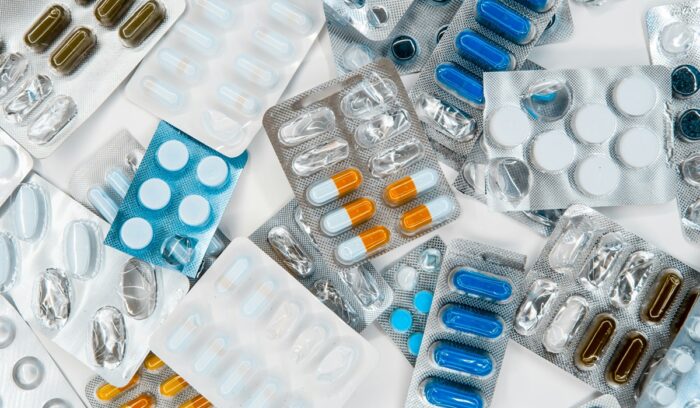
Assortment of pills

Novel AI model rapidly determines if an antidepressant will work

Amsterdam University Medical Center (UMC) and Radboud UMC researchers have developed an algorithm that, based on patient MRI scans and other data, can determine within a week if a particular antidepressant will, offering faster relief and minimizing often painful and damaging side effects. “This is important news for patients,” said Liesbeth Reneman, Professor of Neuroradiology at Amsterdam UMC. “Normally, it takes six to eight weeks before it is known whether an antidepressant will work.”

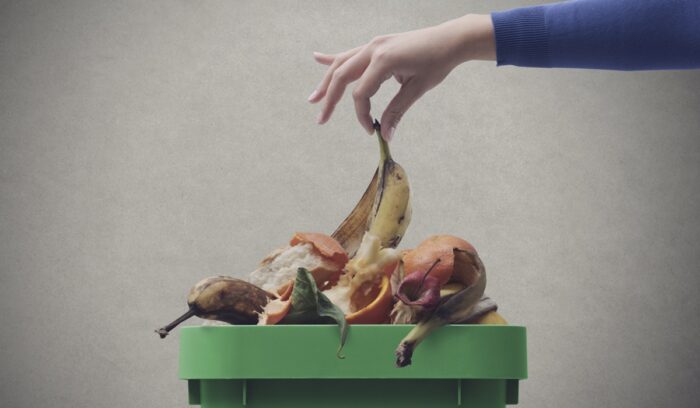
Woman putting organic waste in the compost bin

France implements compulsory composting

As of January 2024, municipalities in France must now provide residents with ways to sort bio-waste, which includes food scraps, vegetable peels, expired food and garden waste. Households and businesses are required to dispose of organic matter either in a dedicated small bin for home collection or at a municipal collection point. The waste will then be turned into biogas or compost to replace chemical fertilizers.

Empty office desk and chairs

Germany launches large four-day workweek trial

In February, 45 companies and organizations in Europe’s largest economy will introduce a 4-day workweek for half a year. Employees will continue to receive their full salary. Advocates argue that a 4-day workweek would increase worker productivity and, by consequence, help alleviate the country’s skilled labor shortage.