East Asia

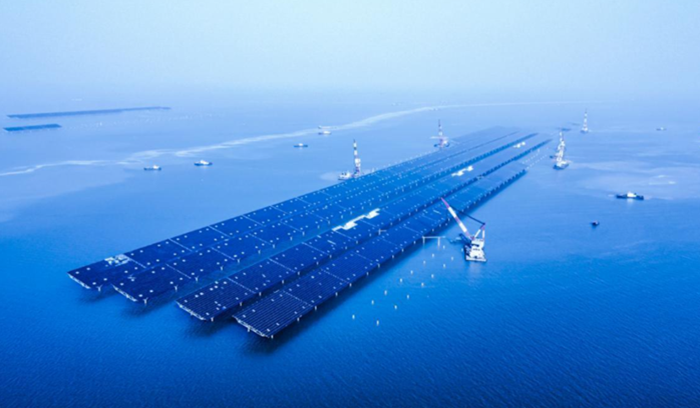
Dongying floating solar farm

China activates world’s largest offshore floating solar installation

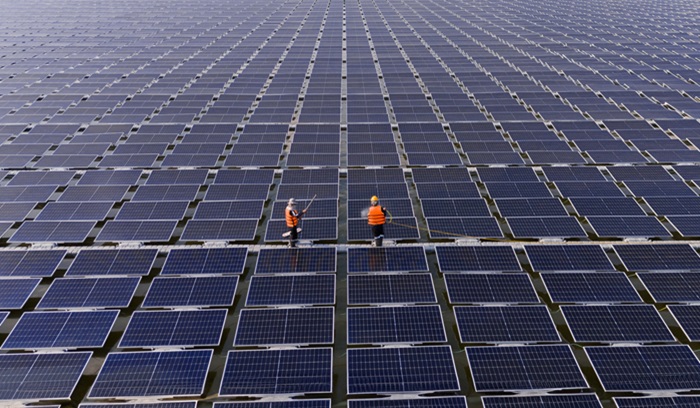
China’s state-owned CHN Energy has begun generating electricity at a 1 gigawatt offshore floating solar park, 5 miles off the coast of the city of Dongying in Shandong province. The park can generate 1.78 billion kilowatt-hours of power each year — enough to meet the energy needs of 2.6 million city dwellers. The offshore floating solar installation consists of 2,934 PV platforms installed using large-scale steel truss platforms affixed to foundations made of pilings.
Human eye up close

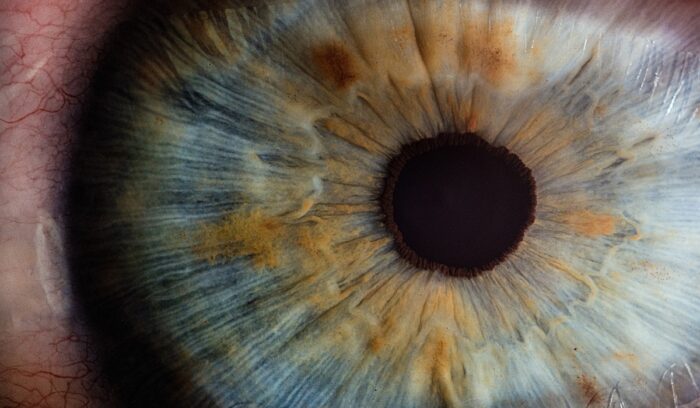
Japanese researchers develop world-first stem-cell treatment that restores vision in humans

Kohji Nishida, an ophthalmologist at Osaka University in Japan, and his colleagues used an alternative source of cells — induced pluripotent stem (iPS) cells — to make the corneal transplants. They took blood cells from a healthy donor and reprogrammed them into an embryonic-like state, then transformed them into a thin, transparent sheet of cobblestone-shaped corneal epithelial cells. After the transplants, all four recipients showed immediate improvements in their vision and a reduction in the area of the cornea affected by limbal stem-cell deficiency. The improvements persisted in all but one recipient, who showed slight reversals during a one-year observation period.

Wooden satellite

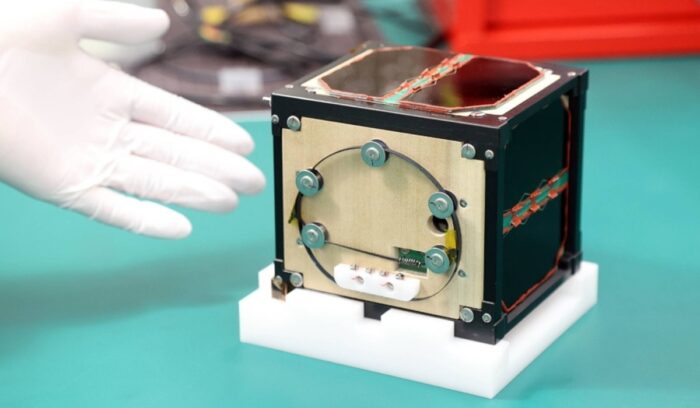
World’s first wooden satellite, developed in Japan, heads to space

LignoSat, developed by Kyoto University and homebuilder Sumitomo Forestry, opens new tab, will be flown to the International Space Station on a SpaceX mission, and later released into orbit about 250 miles above the Earth. Named after the Latin word for “wood”, the palm-sized LignoSat is tasked to demonstrate the cosmic potential of the renewable material as humans explore living in space. Decommissioned satellites must re-enter the atmosphere to avoid becoming space debris. Conventional metal satellites create aluminum oxide particles during re-entry, but wooden ones would just burn up with less pollution.

Second Japanese high court rules in favor of same-sex marriage

A Tokyo high court in Japan recently ruled that the government’s policy against same-sex marriage is unconstitutional. The ruling marks the second time that one of the nation’s eight regional high courts has ruled in favor of marriage equality. The Tokyo high court ruled that the country’s ban on same-sex marriage is “a groundless legal discrimination based on sexual orientation” that violates the constitutionally guaranteed right to equality and dignity regardless of sex.

Professional workers clean and inspect solar panels on a floating buoy. Power plant with water

China adds unprecedented 160 GW of solar power in first 3 quarters of 2024

China has added a total of 160 GW of solar power so far this year. Putting that total into some context, China hit a total, country-wide solar power capacity of 770 GW in August. After years of installing more solar power than any other nation, the first 9 months of this year accounted for roughly 20% of China’s total solar installations and roughly 10% of humanity’s total solar installations, a truly astounding and record-breaking amount. China yet again has proven itself as the undisputed global leader in renewable energy.

Charging an EV

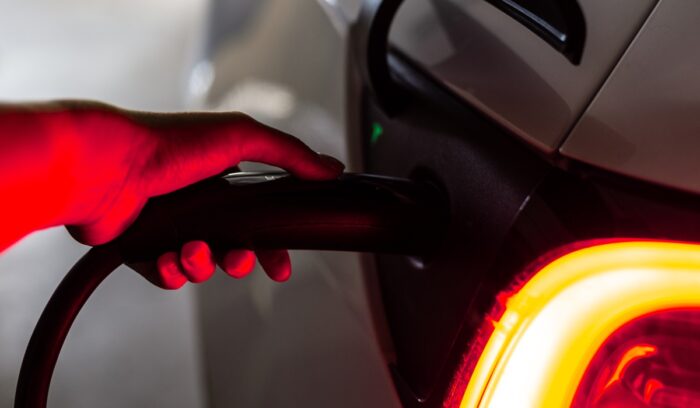
EV and plugin car sales are booming in China

August saw plugin vehicles hit a record 54% market share in China. Full electrics (BEVs) alone accounted for 31% of the country’s auto sales. This pulled the 2024 share to 46%, and with the market with plenty of room for growth, the year should end at around 50%. At this pace, the Chinese market is projected to be fully electrified around 2030.

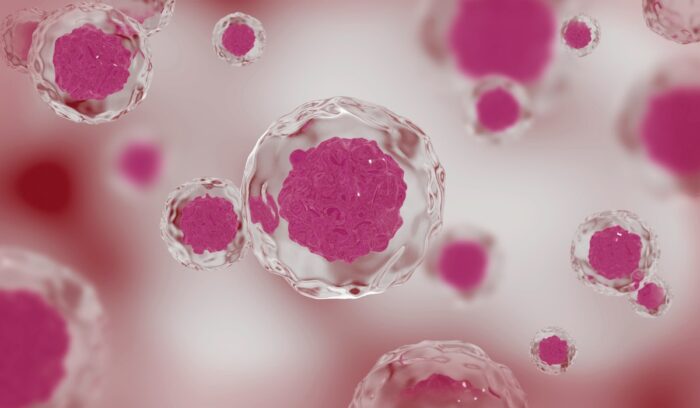
Depiction of embryonic stem cells in amniotic fluid

In world first, stem cells reverse woman’s diabetes

In the first trial of its kind, Deng Hongkui, a cell biologist at Peking University in Beijing, and his colleagues extracted cells from three people with type 1 diabetes and reverted them into a pluripotent state, from which they could be molded into any cell type in the body. Now, a 25-year-old woman with type 1 diabetes started producing her own insulin less than three months after receiving a transplant of reprogrammed stem cells. She is the first person with the disease to be treated using cells that were extracted from her own body.

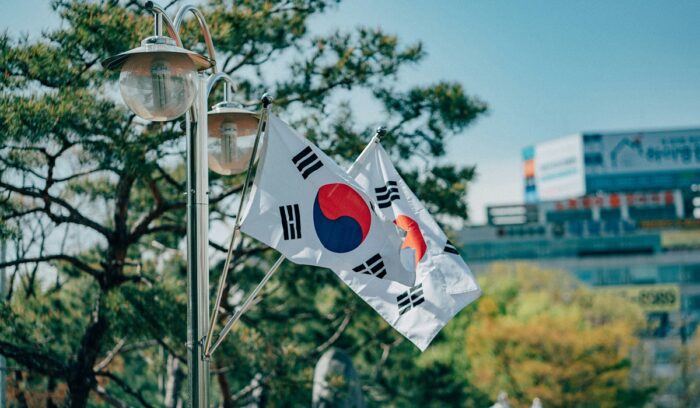
South Korean flags

‘Major milestone’ immunization campaign begins in North Korea with support of UNICEF

More than 800,000 children and 120,000 pregnant women will be vaccinated in a nationwide campaign launched on Monday by the Government of the Democratic People’s Republic of Korea (DPRK) with the support of the UN Children’s Fund (UNICEF). Over four million doses of essential vaccines — including Pentavalent, Measles-Rubella (MR), Tetanus-Diphtheria, BCG, Hepatitis B, and Inactivated Poliovirus Vaccine (IPV) — were delivered to the DPRK in July to kickstart this comprehensive catch-up effort.

South Korean flags

South Korean youth score historic climate victory

A top court in South Korea has ruled the country’s measures to fight climate change insufficient for protecting the rights of its citizens in Asia’s first climate litigation ruling of its kind. Currently, South Korea does not have any legally binding targets to cut greenhouse gas emissions between 2031 and 2049. This absence means the government cannot guarantee the protection of future generations, a right engrained in its constitution, the Constitutional Court of Korea ruled.

Dolphin

Taiwan bans performances by captive wild animals

Live performances by wild animals held in captivity, including performances by dolphins, tigers, and other non-domesticated mammals, will no longer be permitted in Taiwan under new Ministry of Agriculture (MOA) regulations. The new measures will make Taiwan one of 13 nations outlawing captive animal performances. Companies that hold animals captive for commercial purposes must submit detailed documentation outlining how animals will be housed and displayed.