
Laozi writes the Tao Te Ching
The mysterious Laozi’s ancient wisdom may be hard to translate, but the meaning is clear — learning to be self-aware could improve modern life.

The mysterious Laozi’s ancient wisdom may be hard to translate, but the meaning is clear — learning to be self-aware could improve modern life.

Gears almost always produce a change in torque, creating a mechanical advantage, through their gear ratio, and thus may be considered a simple machine.
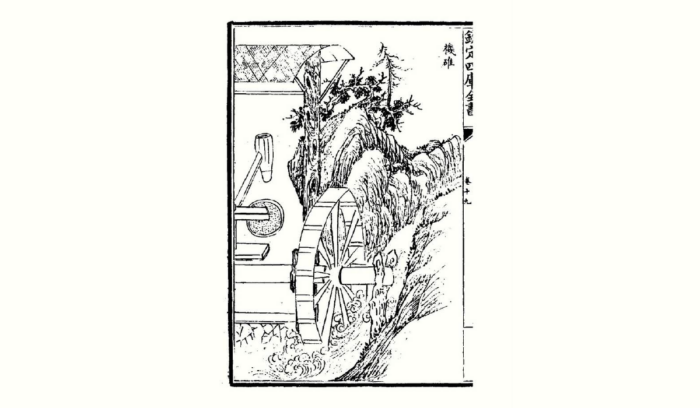
A trip hammer, also known as a tilt hammer or helve hammer, is a massive powered hammer used in agriculture, mining, finery forges, and a variety of other applications.

Invented in the Han Dynasty, cuju is recognized by FIFA as the earliest form of association football for which there is evidence, being first mentioned as an exercise in a Chinese military work from 3rd-2nd century B.C.E.
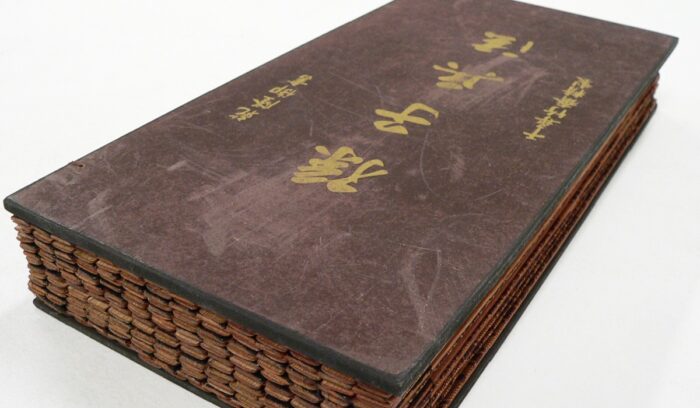
The Art of War remains the most influential strategy text in East Asian warfare. It has a profound influence on both Eastern and Western military thinking, business tactics, legal strategy and beyond.
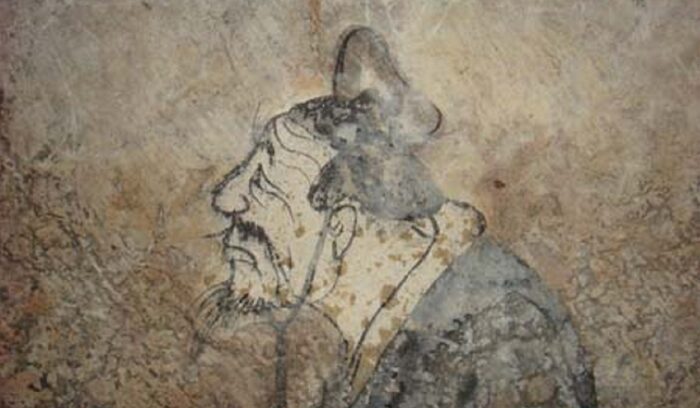
Confucianism is a philosophical system encompassing ideology, culture and academia, brought together by Confucius, then followed and developed by successive generations of his disciples over the past 2,500 years.

The bronze inscriptions are one of the earliest scripts in the Chinese family of scripts.

The Zhou dynasty lasted longer than any other dynasty in Chinese history. The military control of China by the royal house lasted initially from 1046 until 771 B.C.E.

The sheng is a Chinese mouth-blown free reed instrument consisting of vertical pipes. It is a polyphonic instrument and enjoys an increasing popularity as a solo instrument. It is one of the oldest Chinese instruments

Beijing City was established over 3,000 years ago and was called Jin City in the Western Zhou Dynasty (11th century B.C.E. – 771 B.C.E.).