
The Chinese of the Tang Dynasty invent the banknote
Merchants would issue what are today called promissory notes in the form of receipts of deposit to wholesalers to avoid using the heavy bulk of copper coinage in large commercial transactions.
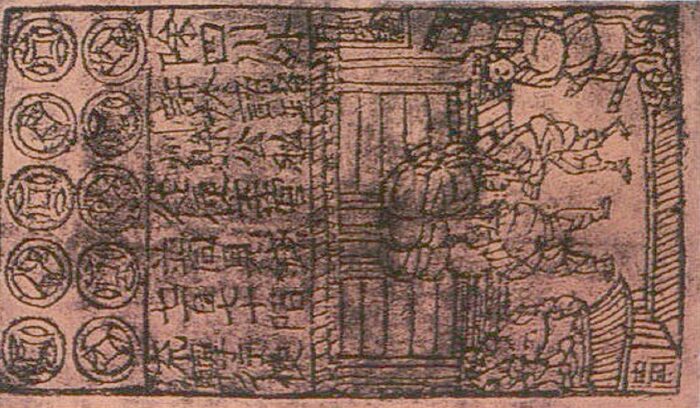
Merchants would issue what are today called promissory notes in the form of receipts of deposit to wholesalers to avoid using the heavy bulk of copper coinage in large commercial transactions.
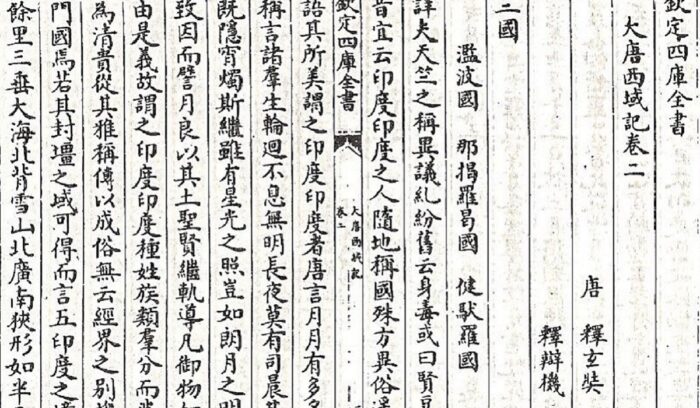
The Great Tang Records on the Western Regions is a narrative of Xuanzang’s nineteen-year journey from Chang’an in central China to the Western Regions of Chinese historiography.

The Grand Canal is a vast waterway system in the north-eastern and central-eastern plains of China, running from Beijing in the north to Zhejiang province in the south. It was conceived as a unified means of communication for the Empire for the first time in the 7th century C.E. (Sui dynasty).

The Qieyun and later redactions, notably the Guangyun, are important documentary sources used in the reconstruction of historical Chinese phonology.

The Sui Dynasty (581-618 CE) was a brief one with only two reigning emperors but it managed to unify China following the split of the Northern and Southern Dynasties period.
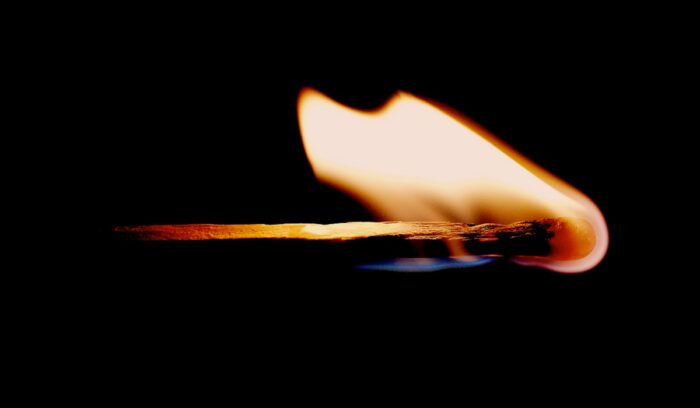
A note in the text Cho Keng Lu, written in 1366, describes a sulfur match, small sticks of pinewood impregnated with sulfur, used in China by “impoverished court ladies” in C.E. 577 during the conquest of Northern Qi.
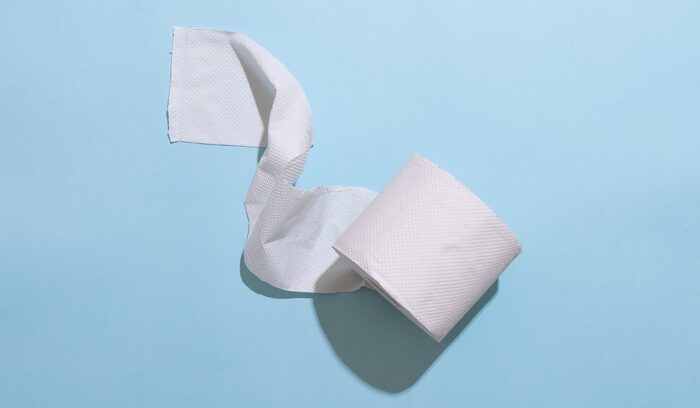
The first documented use of toilet paper in human history dates back to the 6th century C.E., in early medieval China.
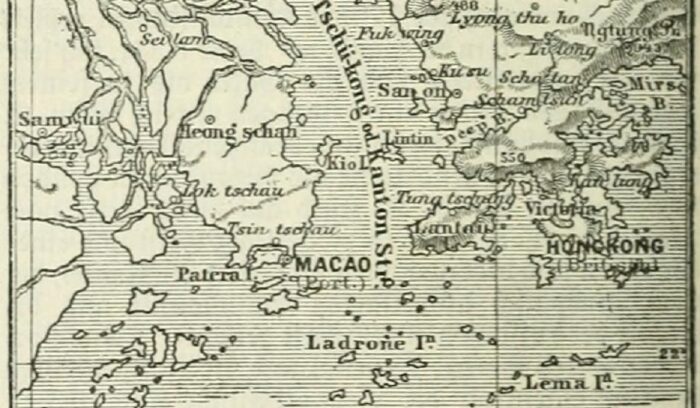
Since the 5th century, merchant ships travelling between Southeast Asia and Guangzhou used the region as a port for refuge, fresh water, and food.

A seismometer or seismoscope is an instrument that detects and measures the motions of the ground as a result of seismic waves gushing from an earthquake, volcanic eruption or powerful explosion.

The earliest wheelbarrows with archaeological evidence in the form of a one-wheel cart come from second century Han Dynasty Emperor Hui’s tomb murals and brick tomb reliefs.