
Chinese citizens are using blockchain to warn each other of unsafe vaccines
By using the blockchain in this new way, Chinese citizens may have finally found a way to express themselves that’s beyond the government’s reach.

By using the blockchain in this new way, Chinese citizens may have finally found a way to express themselves that’s beyond the government’s reach.

The #MeToo movement captured the nation’s attention after a top-ranking Finance Ministry official was accused by a female reporter of repeated sexual harassment.
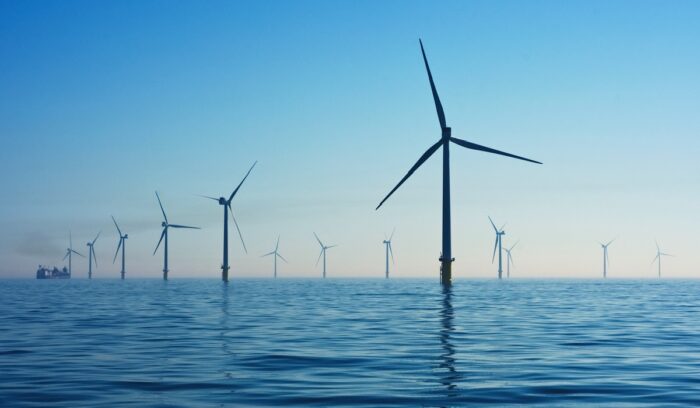
It’s expected that the new Taiwanese projects will be constructed by 2025, although they are still subject to acquiring the relevant permits and final investment decisions.

At least 25 percent of the plastics used in new Volvo car models from 2025 will be from recycled materials.

Japan has decided to continue the introduction of solar roads on government owned property, and will more likely focus on parking lots.

The leaders of North and South Korea have committed themselves to the complete denuclearization of the Korean Peninsula and pledged to bring a formal end to the Korean War, 65 years after hostilities ceased.

China, the world’s biggest energy consumer, cut its 2005 carbon intensity level, or the amount of climate-warming carbon dioxide it produces per unit of economic growth, by 46 percent in 2017, Xie told a forum in Shanghai on Tuesday.
The Renault-Nissan-Mitsubishi Alliance is working to produce an electric car that uses solid-state batteries as early as 2025, in a move that puts it amid the frontrunners in the global race to launch the next generation of electric vehicles.
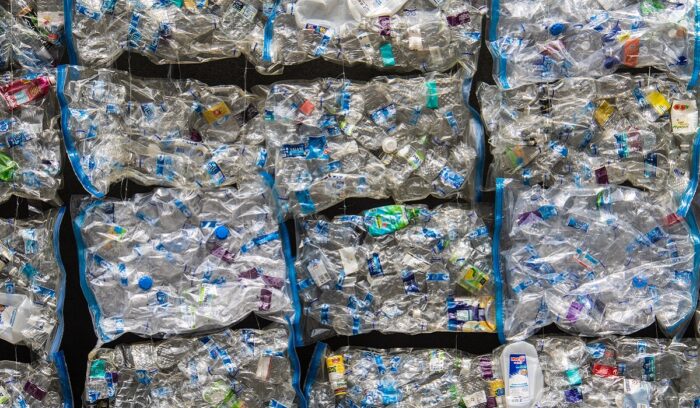
China’s “National Sword” policy banned the import of most plastics and other materials headed for that nation’s recycling processors, which had handled nearly half of the world’s recyclable waste. The move was an effort to halt a deluge of soiled and contaminated materials that was overwhelming Chinese processing facilities and causing environmental havoc. Within one year, China’s plastics imports plummeted by 99%, leading to a major global shift in where and how materials are being processed and incentivizing less wasteful behavior around the world.

The win comes amid growing momentum for the gay rights movement in Asia, with Taiwan’s constitutional court this year declaring that same-sex couples have the right to marry, the region’s first such ruling.