
China’s largest battery manufacturer plans $5 billion battery recycling factory
Chinese law imposes a duty on battery manufacturers to be responsible for recycling their products when they reach the end of their useful life.
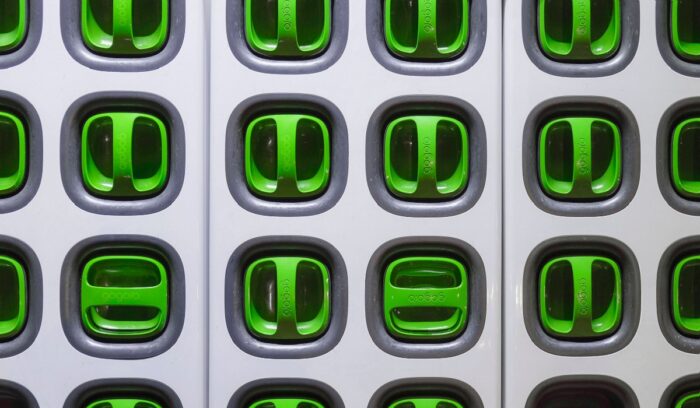
Chinese law imposes a duty on battery manufacturers to be responsible for recycling their products when they reach the end of their useful life.

The goal is to create a legal environment in which at least 1% of Mongolia’s GDP to be spent annually on combating climate change and desertification, and on increasing environmentally friendly and green facilities.
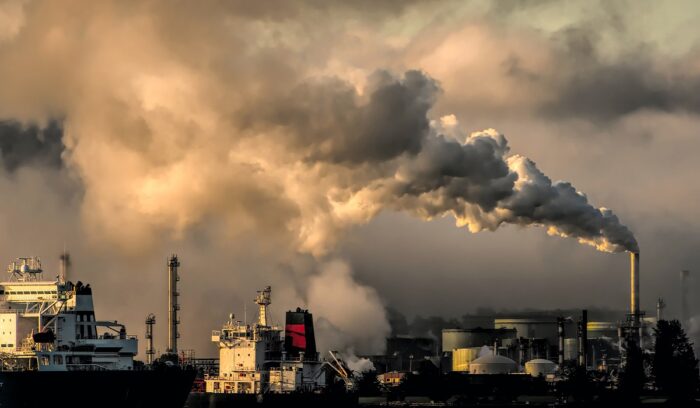
China is the largest public financier of overseas coal plants. Last week, an alliance of 35 NGOs pressed the Bank of China to end the financing of such projects outside China in order to combat climate change.
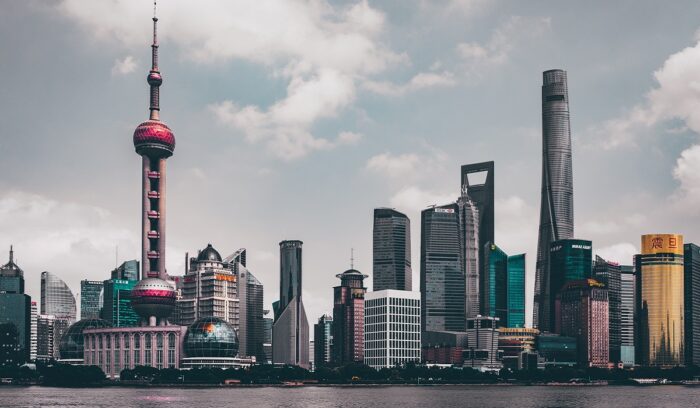
Many workers in China currently work more than 300 hours a month, far exceeding legal limits. Now, the Chinese government is stepping in to curb these abusive practices.

Beijing on Monday banned written exams for six- and seven-year-olds, as part of sweeping education reforms aimed at relieving pressure on pupils and parents in China’s hyper-competitive school system.

The world of lab-grown meats is fast filling with all kinds of tasty bites, from burgers, to chicken breasts, to a series of increasingly complex cuts of steak.

A new bill empowers law enforcement to go beyond prosecuting carriers and mules and instead crack down on the criminal syndicates responsible for illegal wildlife trafficking.

The amendment will make South Korea one of a handful of countries to recognize animals as beings, with a right to protection, enhanced welfare and respect for life.

A pledge by China to supply 2 billion doses of COVID-19 vaccines to other countries this year expands the commitments made by a nation that is already the largest exporter of the shots by far.
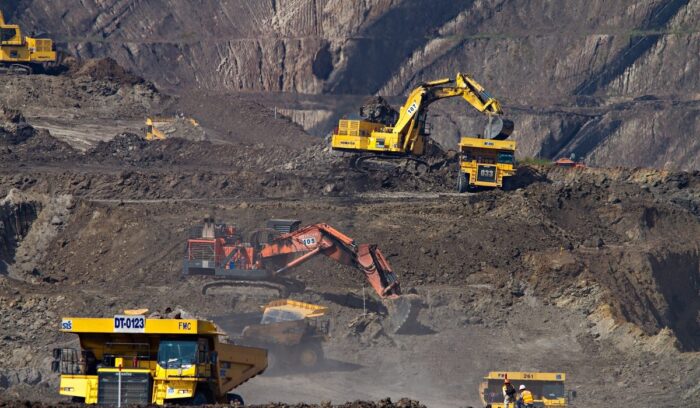
Industrial and Commercial Bank of China Ltd. told Go Clean ICBC that it won’t fund the 2,800-megawatt Sengwa coal project in northern Zimbabwe.