
Hawaii becomes first U.S. state to ban shark fishing
The penalties for breaking the statute are steep: $500 for a first offense, $2,000 for a second, and $10,000 for any subsequent violations.

The penalties for breaking the statute are steep: $500 for a first offense, $2,000 for a second, and $10,000 for any subsequent violations.

The mining project would have been located less than 10 kilometers from the Great Barrier Reef and at risk of causing “irreversible damage.”
University of Adelaide researchers claim to have made clean hydrogen fuel from seawater without pre-treatment. Their findings could eventually provide cheaper green energy production from a near-limitless source to coastal areas.

MDMA and psilocybin will be available for controlled use to address PTSD and depression when prescribed by a psychiatrist starting in July 2023.

Science has found that biomass burning releases more carbon dioxide emissions per unit of energy produced than coal.

The measure adopted by the Western and Central Pacific Fisheries Commission is seen as a major and potentially precedent-setting win for conservationists.

The Wirangu have been granted native title to more than 5,000 square kilometres of land on South Australia’s west coast.

Researchers have seen successful results in sheep with minimal side effects. They are now preparing for its first-ever human clinical trial to be conducted in Melbourne.
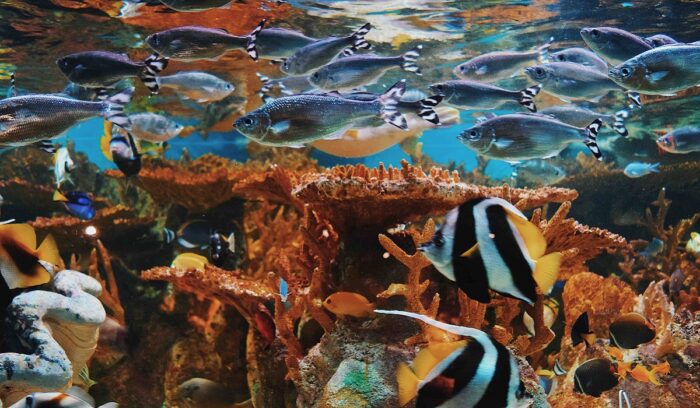
The small island nation in the South Pacific Ocean has designated its entire exclusive economic zone — an area about the size of Vietnam — as a multiple-use marine park called Niue Nukutuluea.

A huge marine reserve in the Pacific Ocean, almost four times the size of California, has led to the recovery of tuna and other migratory fish around its borders, according to a new study published in the journal Science.