
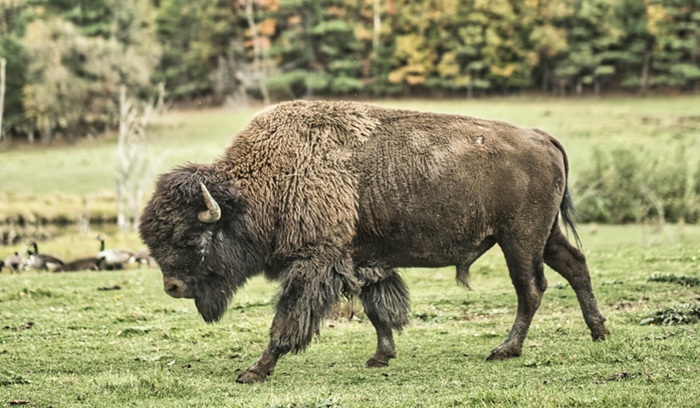
A historic ecological restoration is underway in Illinois as wild bison return to the prairie for the first time in nearly two centuries. The project, led by The Nature Conservancy, has successfully reintroduced a herd of these iconic animals to the Nachusa Grasslands. This milestone marks the first time wild bison have roamed east of the Mississippi River since their extirpation in the early 1800s.
The reintroduction is a powerful symbol of conservation success in the Midwest. It aims to restore the natural rhythms of the tallgrass prairie ecosystem. This initiative connects modern Illinois with its wild, pre-settlement history.
Restoring the Tallgrass Ecosystem
Bison are a keystone species for the prairie. Their grazing patterns naturally maintain the diversity of grasses and wildflowers. By selectively eating dominant grasses, they allow sunlight to reach smaller plants, boosting overall biodiversity.
This natural disturbance creates a mosaic of habitats that support a wide range of other species, from grassland birds to insects. The return of the bison is expected to accelerate the recovery of the entire Nachusa ecosystem. It demonstrates how reintroducing large herbivores can be a tool for landscape-level healing. The Nature Conservancy provides detailed information on the ecological role of bison at Nachusa.
A Careful and Scientific Process
The reintroduction was the result of years of meticulous planning and preparation. Conservationists spent decades restoring the prairie habitat at Nachusa to ensure it could support a wild herd. This involved prescribed burns, invasive species removal, and the sowing of native seeds.
Genetic testing was also a crucial part of the process. The bison were selected from herds known to be free of cattle genes, ensuring the conservation of the pure bison lineage. This scientific rigor ensures that the project contributes to the genetic health of the species nationwide. The National Park Service outlines the importance of genetic purity in bison conservation.
Connecting People with Nature
The return of the bison offers a unique opportunity for public education and engagement. Visitors to the Nachusa Grasslands can now view the herd from a safe distance, experiencing a glimpse of the American frontier. This access fosters a deeper appreciation for the region’s natural heritage.
The project has sparked excitement and pride within the local community. It serves as a living classroom for students and researchers studying prairie ecology. This connection between people and nature is vital for building long-term support for conservation. The Forest Preserve District of Cook County also supports similar restoration efforts in the region.
A Model for Midwest Conservation
The success at Nachusa provides a hopeful model for other conservation projects in the Midwest. It proves that large-scale restoration is possible even in agricultural landscapes. The project demonstrates that protected areas can be managed to support both biodiversity and public recreation.
This achievement encourages further investment in rewilding initiatives across the state. It highlights the potential to restore lost species and revitalize degraded lands. The return of the bison is a tangible sign that the prairie can thrive once again. The Illinois Department of Natural Resources provides updates on state-wide wildlife management.
Resources
- The Nature Conservancy on Nachusa Bison Project
- National Park Service on Bison Genetics
- Forest Preserve District of Cook County on Local Restoration
- Illinois Department of Natural Resources on Wildlife Management
More Good News
-
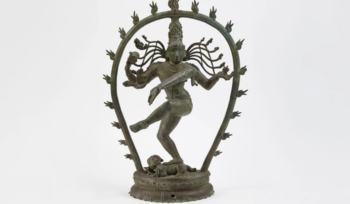
U.S.’s Smithsonian Institution to return stolen medieval sculptures to India
The Smithsonian National Museum of Asian Art is officially returning three ancient bronze sculptures to India after an internal investigation confirmed they were illegally removed from Tamil Nadu temples in the mid-twentieth century. In a unique collaborative agreement, the Indian government will allow one returned sculpture, a tenth-century Shiva Nataraja, to remain at the Washington museum on a long-term loan for educational display. This arrangement highlights a growing international commitment to decolonizing museum spaces, prioritizing transparent provenance research, and fostering cross-cultural cooperation to correct historical wrongs.
-
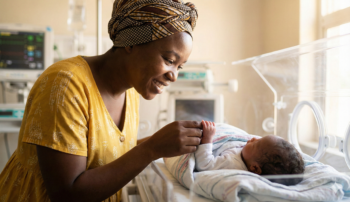
Sierra Leone opens its first-ever NICU in historic milestone for maternal health
In a historic milestone for global health, Sierra Leone has opened its first-ever neonatal intensive care unit (NICU) at the new Maternal Center of Excellence in Kono District. This state-of-the-art facility, built by Partners In Health and the local government, was largely funded by the “Nerdfighteria” community led by Hank and John Green, who raised over $50 million. The center aims to drastically reduce maternal and infant mortality by providing advanced care, including piped oxygen and surgical suites, while serving as a teaching hospital for the next generation of local clinicians.
-
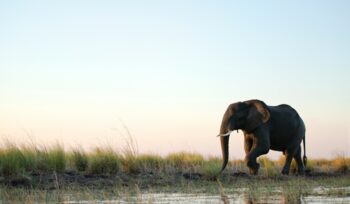
Indonesia bans elephant riding in landmark welfare move
Following years of campaigning by animal welfare organizations, Indonesia has officially banned elephant riding at all tourism and conservation facilities. This landmark directive from the Ministry of Environment and Forestry ends a cruel practice that relies on brutal training and causes long-term harm to endangered elephants. Facilities must now transition to ethical, observation-based tourism models. This major policy shift prioritizes animal welfare over entertainment, setting a powerful example for responsible wildlife tourism across Southeast Asia.
-
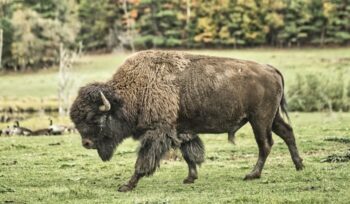
Wild bison return to Illinois prairie after nearly 200 years
In a historic moment for conservation, wild bison have returned to the Illinois prairie for the first time in nearly two centuries. The Nature Conservancy has successfully reintroduced a genetically pure herd to the Nachusa Grasslands, marking the first time wild bison have roamed east of the Mississippi since the 1830s. This ecological milestone aims to restore the health of the tallgrass prairie, as the bison’s natural grazing habits boost biodiversity and support other native species. The project offers a powerful model for rewilding and connecting communities with their natural heritage.
-

Electric car sales outpace gas-powered cars in the E.U. for the first time
In a historic shift for the automotive industry, fully electric vehicles (EVs) have outsold petrol cars in the European Union for the first time. Data from the European Automobile Manufacturers Association shows that EVs captured 23.6 percent of the market in December 2025, surpassing petrol registrations. This milestone confirms that the transition to zero-emission transport is accelerating rapidly, driven by strong climate policies, falling costs, and growing consumer confidence. The achievement marks the beginning of the end for fossil fuel dominance on European roads.