
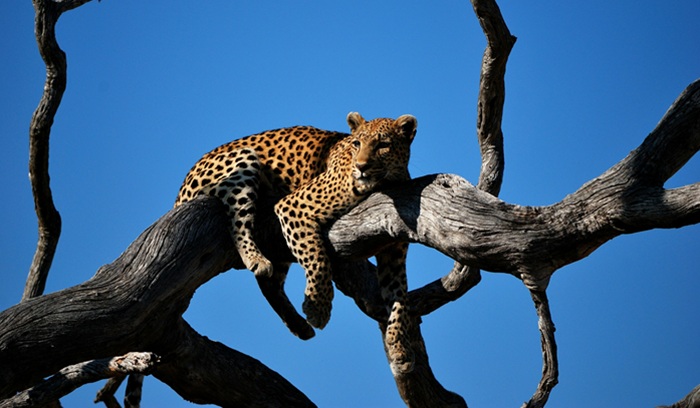
A remarkable conservation event has occurred on South Africa’s West Coast with the confirmed sighting of a Cape leopard. This is the first recorded presence of the elusive predator in the region in over 170 years. The sighting, captured on a camera trap, is a powerful indicator that the local ecosystem is recovering. It suggests that natural corridors are reopening, allowing wildlife to reclaim historical territories.
This return is a major victory for biodiversity conservation in the Western Cape. It demonstrates the resilience of nature when given the space to heal. The sighting has sparked excitement among conservationists and the local community.
Evidence of Ecosystem Recovery
The presence of an apex predator like the leopard is a strong sign of a healthy, functioning ecosystem. Leopards require large territories and a stable prey base to survive. Their return implies that the populations of smaller mammals and other prey species have rebounded sufficiently to support them. This ecological balance is crucial for the long-term health of the West Coast’s unique biodiversity.
This natural recovery is likely supported by improved land management practices. The reduction of human-wildlife conflict and the protection of natural habitats have created a safer environment for these animals. This success validates the efforts of local landowners who have adopted conservation-friendly farming methods. The Cape Leopard Trust provides detailed information on the ecology of these big cats.
Connecting Fragmented Habitats
The leopard’s journey to the coast highlights the importance of habitat connectivity. Conservationists believe the animal likely traveled from the nearby Cederberg mountains, navigating through agricultural lands. This movement proves that wildlife corridors are functional, allowing animals to disperse and find new territories.
Maintaining these corridors is vital for genetic diversity. It prevents populations from becoming isolated and vulnerable to disease. The sighting underscores the need to continue protecting these natural pathways. The Endangered Wildlife Trust (EWT) works extensively on corridor conservation.
A Triumph for Citizen Science
The discovery was made possible through the use of camera trap technology, often deployed by citizen scientists and researchers. These tools allow for non-invasive monitoring of wildlife in remote areas. The data collected provides invaluable insights into animal behavior and population trends.
This specific sighting serves as a powerful validation of citizen science initiatives. It encourages local residents to participate actively in monitoring their environment. This engagement fosters a deeper connection between the community and the natural world. CapeNature offers resources on regional biodiversity monitoring.
A Beacon of Hope for Rewilding
The return of the leopard is more than just a single data point; it is a symbol of hope for rewilding efforts globally. It shows that species can and will return to their ancestral homes if the conditions are right. This natural recolonization is often more sustainable and effective than active reintroduction programs.
It inspires further conservation action across the region. The event reinforces the value of protecting even the fringes of wild habitats. It is a reminder that nature is dynamic and capable of surprising recovery. The International Union for Conservation of Nature (IUCN) tracks the status of leopard populations.
Resources
- Cape Leopard Trust on Leopard Ecology and Research
- Endangered Wildlife Trust (EWT) on Wildlife Corridors
- CapeNature on Regional Conservation
- International Union for Conservation of Nature (IUCN) Leopard Status
More Good News
-

Senegal launches all-electric bus network powered by renewable energy
Senegal has successfully launched a transformative Bus Rapid Transit system in Dakar, featuring a fleet of 121 fully electric buses. As the first network in Sub-Saharan Africa to operate entirely on renewable energy, the initiative utilizes local solar power to transport up to 300,000 passengers daily. By utilizing dedicated lanes, the clean energy fleet cuts cross-city commute times in half while preventing nearly 60,000 tons of carbon dioxide emissions annually. This monumental project dramatically improves urban air quality and establishes Senegal as a pioneering leader in sustainable, green public infrastructure.
-
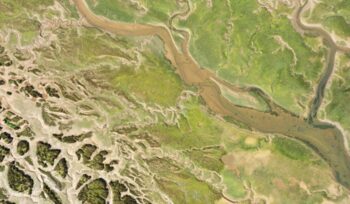
Yangtze River showing remarkable ecological recovery following fishing ban
China’s Yangtze River is experiencing a remarkable ecological revival five years into a sweeping ten-year commercial fishing ban. Recent surveys reveal significant increases in overall fish biomass and the heartening return of critically endangered species in the world’s fifth largest river. Furthermore, thousands of former commercial fishers have been successfully transitioned into new roles as official river guardians. This massive conservation effort offers a hopeful, replicable model for global freshwater restoration.
-

Rob Jetten becomes The Netherland’s first openly gay prime minister
In a historic victory for representation and progressive politics, Rob Jetten has been sworn in as the first openly gay Prime Minister of the Netherlands. At 38 years old, the centrist Democrats 66 leader is also the youngest head of government in Dutch history. Jetten successfully formed a minority coalition government following a tense election that defeated far-right populist opponents. His platform prioritizes climate investment, economic fairness, and strong international collaboration. Jetten’s premiership powerfully reaffirms the Netherlands’ global legacy as a pioneer of LGBTQ+ equality and inclusive, cooperative democratic leadership.
-

Millions of New York City workers gain additional time off through new law
Millions of workers in New York City are benefiting from a major expansion of the Protected Time Off Law, which officially took effect in late February 2026. The progressive legislation grants employees an additional 32 hours of unpaid, protected leave that is available immediately upon hire or at the start of the calendar year. This ensures workers do not have to wait to accrue hours before addressing sudden medical emergencies or family crises. The law also vastly expands permitted uses to include mental health care, public disaster recovery, and caring for disabled loved ones.
-

Malaysia bans electronic waste imports to protect the environment and public health
In a monumental victory for public health and environmental justice, Malaysia has enacted an immediate and absolute ban on the importation of electronic waste. By removing regulatory loopholes and launching a strict enforcement campaign, the nation is successfully preventing toxic heavy metals from polluting its soil and waterways. Authorities have already intercepted hundreds of thousands of kilograms of illegal e-waste at major ports, vowing to return the hazardous materials to their countries of origin. This decisive action establishes Malaysia as a leading force in Southeast Asia’s growing movement to reject global waste and prioritize ecological sustainability.