

A significant cultural milestone has been reached with the repatriation of 62 Indigenous cultural belongings from the Vatican Museums to Canada. This historic return marks the culmination of years of negotiation and advocacy by First Nations, Inuit, and Métis leaders. The artifacts, which include a rare, century-old Inuvialuit kayak, were formally transferred during a ceremony in Montreal. This gesture is a powerful step toward reconciliation and cultural revitalization.
The return follows a commitment made by Pope Francis during his 2022 visit to Canada. It represents a tangible effort by the Catholic Church to address its role in the suppression of Indigenous culture.
Restoring Ancestral Connections
For Indigenous communities, these items are not merely artifacts; they are living connections to their ancestors. The collection includes sacred bundles, embroidered gloves, moccasins, and tools that hold deep spiritual and historical significance. Their return allows communities to reconnect with lost techniques, stories, and cultural practices. This “unification” with ancestral items is seen as a vital part of healing from the trauma of colonization.
The repatriation empowers Indigenous peoples to determine how best to care for and display their own heritage. It shifts control from a distant institution back to the communities where these items originated. This restoration of stewardship is a victory for Indigenous rights and self-determination. You can read more about the emotional impact of this return from the Assembly of First Nations (AFN).
A Long Journey Home
The journey of these artifacts began over a century ago. Many were sent to Rome by Catholic missionaries for a 1925 exhibition organized by Pope Pius XI. For decades, they remained in the Vatican’s ethnographic collection, far from their original homes. The successful negotiation for their return highlights the persistence of Indigenous leaders who have long called for their repatriation.
The process involved complex diplomatic dialogue between the Vatican, the Canadian Conference of Catholic Bishops, and Indigenous organizations. This successful collaboration sets a positive precedent for future repatriation efforts globally. It demonstrates that institutions can evolve to respect the cultural rights of Indigenous peoples.
Determining Provenance and Future Care
The returned items will initially be housed at the Canadian Museum of History in Gatineau for acclimatization and study. Experts and Indigenous knowledge keepers will work together to determine the exact provenance of each item. This careful process ensures that every artifact is returned respectfully to its specific community of origin.
This collaborative research phase is an opportunity for cross-cultural learning. It allows museum experts to learn from Indigenous elders and vice-versa. This partnership ensures that the items are treated with the appropriate cultural protocols. The Inuit Tapiriit Kanatami (ITK) provides resources on the importance of Inuit cultural heritage.
A Beacon for Global Repatriation
This event is part of a growing global movement toward the repatriation of Indigenous cultural heritage. It challenges museums and institutions worldwide to re-examine their collections. The return of these items from the Vatican sends a strong message that cultural treasures belong with the people who created them.
This success offers hope to other Indigenous groups seeking the return of their own sacred items. It proves that sustained advocacy can lead to meaningful change. The Métis National Council highlights the significance of this return for the Métis people. Furthermore, the Canadian Conference of Catholic Bishops (CCCB) details the church’s commitment to this ongoing process of reconciliation.
Resources
- Assembly of First Nations (AFN) Official Website
- Inuit Tapiriit Kanatami (ITK) on Cultural Heritage
- Métis National Council on Vatican Artifact Return
- Canadian Conference of Catholic Bishops (CCCB) on Reconciliation Efforts
More Good News
-
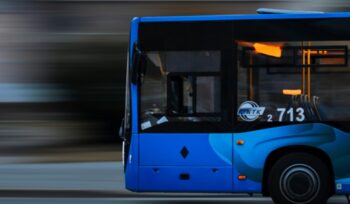
Senegal launches all-electric bus network powered by renewable energy
Senegal has successfully launched a transformative Bus Rapid Transit system in Dakar, featuring a fleet of 121 fully electric buses. As the first network in Sub-Saharan Africa to operate entirely on renewable energy, the initiative utilizes local solar power to transport up to 300,000 passengers daily. By utilizing dedicated lanes, the clean energy fleet cuts cross-city commute times in half while preventing nearly 60,000 tons of carbon dioxide emissions annually. This monumental project dramatically improves urban air quality and establishes Senegal as a pioneering leader in sustainable, green public infrastructure.
-

Yangtze River showing remarkable ecological recovery following fishing ban
China’s Yangtze River is experiencing a remarkable ecological revival five years into a sweeping ten-year commercial fishing ban. Recent surveys reveal significant increases in overall fish biomass and the heartening return of critically endangered species in the world’s fifth largest river. Furthermore, thousands of former commercial fishers have been successfully transitioned into new roles as official river guardians. This massive conservation effort offers a hopeful, replicable model for global freshwater restoration.
-
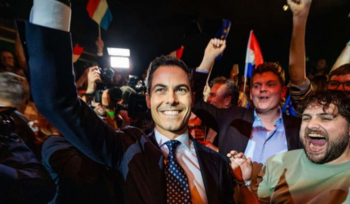
Rob Jetten becomes The Netherland’s first openly gay prime minister
In a historic victory for representation and progressive politics, Rob Jetten has been sworn in as the first openly gay Prime Minister of the Netherlands. At 38 years old, the centrist Democrats 66 leader is also the youngest head of government in Dutch history. Jetten successfully formed a minority coalition government following a tense election that defeated far-right populist opponents. His platform prioritizes climate investment, economic fairness, and strong international collaboration. Jetten’s premiership powerfully reaffirms the Netherlands’ global legacy as a pioneer of LGBTQ+ equality and inclusive, cooperative democratic leadership.
-

Millions of New York City workers gain additional time off through new law
Millions of workers in New York City are benefiting from a major expansion of the Protected Time Off Law, which officially took effect in late February 2026. The progressive legislation grants employees an additional 32 hours of unpaid, protected leave that is available immediately upon hire or at the start of the calendar year. This ensures workers do not have to wait to accrue hours before addressing sudden medical emergencies or family crises. The law also vastly expands permitted uses to include mental health care, public disaster recovery, and caring for disabled loved ones.
-

Malaysia bans electronic waste imports to protect the environment and public health
In a monumental victory for public health and environmental justice, Malaysia has enacted an immediate and absolute ban on the importation of electronic waste. By removing regulatory loopholes and launching a strict enforcement campaign, the nation is successfully preventing toxic heavy metals from polluting its soil and waterways. Authorities have already intercepted hundreds of thousands of kilograms of illegal e-waste at major ports, vowing to return the hazardous materials to their countries of origin. This decisive action establishes Malaysia as a leading force in Southeast Asia’s growing movement to reject global waste and prioritize ecological sustainability.