
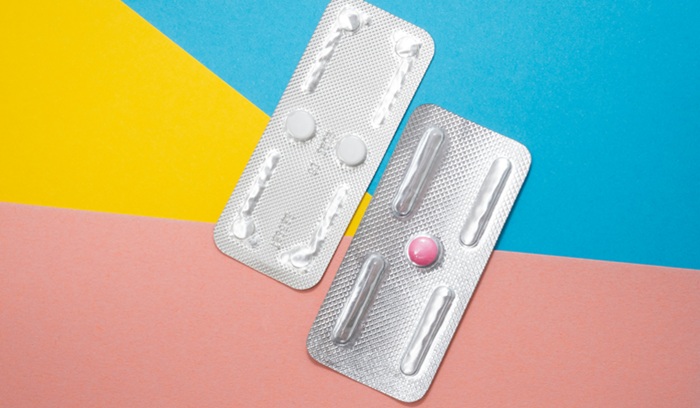
England has achieved a major victory for public health and reproductive autonomy. The National Health Service (NHS) has made the morning-after pill available for free across community pharmacies nationwide. This groundbreaking policy change ensures that essential emergency contraception is now accessible without financial barriers. It is a decisive step toward closing health equity gaps and promoting preventative healthcare.
This move is the culmination of years of advocacy by public health organizations. It ensures that individuals can access time-sensitive medication immediately and easily.
Removing Financial and Logistical Barriers
The core positive impact of this policy is the elimination of the financial barrier to emergency contraception (EC). Previously, many women and girls were forced to pay high costs for the pill at pharmacies, often exceeding £30. This high cost often led to delays or prevented access entirely, increasing the risk of unintended pregnancy. Making EC free ensures that financial status does not dictate reproductive health outcomes.
The expansion to community pharmacies dramatically improves logistical access. Pharmacies are often the most accessible and local healthcare providers, especially outside of major cities. This widespread availability allows individuals to access EC immediately, which is crucial for efficacy.
A Triumph for Public Health Strategy
Public health experts predict that this policy will lead to a significant decline in unintended pregnancies. Emergency contraception is a crucial back-up method for when primary contraception fails or is used incorrectly. Providing EC quickly and easily is a highly effective preventative public health strategy. Studies show that every £1 spent on family planning services saves the NHS up to £11 in future costs.
The NHS is strategically utilizing pharmacies as key delivery points for preventative care. This decentralization of services makes the health system more efficient and responsive to community needs. This successful shift in policy reflects a commitment to empowering individuals to manage their reproductive health proactively.
Strengthening Reproductive Autonomy and Equity
This policy is a major step forward for reproductive autonomy. It recognizes the fundamental right of every individual to make informed decisions about their body and future. By making EC free and easy to access, the NHS is empowering women and girls, particularly those from low-income and disadvantaged backgrounds. These groups historically faced the greatest barriers to care.
The move also reduces the historical stigma associated with seeking emergency contraception. Normalizing access through common community providers like pharmacies promotes a healthier, more open conversation about sexual health. This supports the long-term goal of improving sex education and preventative care. The British Pregnancy Advisory Service (BPAS) provides key research on the impact of cost barriers on access to emergency contraception.
A Global Model for Preventative Care
England’s decisive policy action provides an inspirational model for public health systems globally. It demonstrates how a government can use its national healthcare structure to address social determinants of health proactively. The NHS’s commitment to providing free, essential medication sets a high standard for reproductive health equity.
This policy aligns with the objectives of the United Nations Population Fund (UNFPA) on universal access to reproductive health services. The success of this NHS expansion will be closely monitored by nations seeking to reduce unintended pregnancy rates. The Family Planning Association (FPA) in the UK advocates for comprehensive, accessible sexual health information and services. The NHS on Sexual Health Services outlines the scope of their broader reproductive health services.
Resources
- British Pregnancy Advisory Service (BPAS) on Cost Barriers to $\text{EC}$ Access
- United Nations Population Fund (UNFPA) on Universal Access to Reproductive Health
- Family Planning Association (FPA) in the UK on Sexual Health Services
- National Health Service (NHS) on Sexual Health Services
More Good News
-

Senegal launches all-electric bus network powered by renewable energy
Senegal has successfully launched a transformative Bus Rapid Transit system in Dakar, featuring a fleet of 121 fully electric buses. As the first network in Sub-Saharan Africa to operate entirely on renewable energy, the initiative utilizes local solar power to transport up to 300,000 passengers daily. By utilizing dedicated lanes, the clean energy fleet cuts cross-city commute times in half while preventing nearly 60,000 tons of carbon dioxide emissions annually. This monumental project dramatically improves urban air quality and establishes Senegal as a pioneering leader in sustainable, green public infrastructure.
-

Yangtze River showing remarkable ecological recovery following fishing ban
China’s Yangtze River is experiencing a remarkable ecological revival five years into a sweeping ten-year commercial fishing ban. Recent surveys reveal significant increases in overall fish biomass and the heartening return of critically endangered species in the world’s fifth largest river. Furthermore, thousands of former commercial fishers have been successfully transitioned into new roles as official river guardians. This massive conservation effort offers a hopeful, replicable model for global freshwater restoration.
-

Rob Jetten becomes The Netherland’s first openly gay prime minister
In a historic victory for representation and progressive politics, Rob Jetten has been sworn in as the first openly gay Prime Minister of the Netherlands. At 38 years old, the centrist Democrats 66 leader is also the youngest head of government in Dutch history. Jetten successfully formed a minority coalition government following a tense election that defeated far-right populist opponents. His platform prioritizes climate investment, economic fairness, and strong international collaboration. Jetten’s premiership powerfully reaffirms the Netherlands’ global legacy as a pioneer of LGBTQ+ equality and inclusive, cooperative democratic leadership.
-

Millions of New York City workers gain additional time off through new law
Millions of workers in New York City are benefiting from a major expansion of the Protected Time Off Law, which officially took effect in late February 2026. The progressive legislation grants employees an additional 32 hours of unpaid, protected leave that is available immediately upon hire or at the start of the calendar year. This ensures workers do not have to wait to accrue hours before addressing sudden medical emergencies or family crises. The law also vastly expands permitted uses to include mental health care, public disaster recovery, and caring for disabled loved ones.
-

Malaysia bans electronic waste imports to protect the environment and public health
In a monumental victory for public health and environmental justice, Malaysia has enacted an immediate and absolute ban on the importation of electronic waste. By removing regulatory loopholes and launching a strict enforcement campaign, the nation is successfully preventing toxic heavy metals from polluting its soil and waterways. Authorities have already intercepted hundreds of thousands of kilograms of illegal e-waste at major ports, vowing to return the hazardous materials to their countries of origin. This decisive action establishes Malaysia as a leading force in Southeast Asia’s growing movement to reject global waste and prioritize ecological sustainability.