
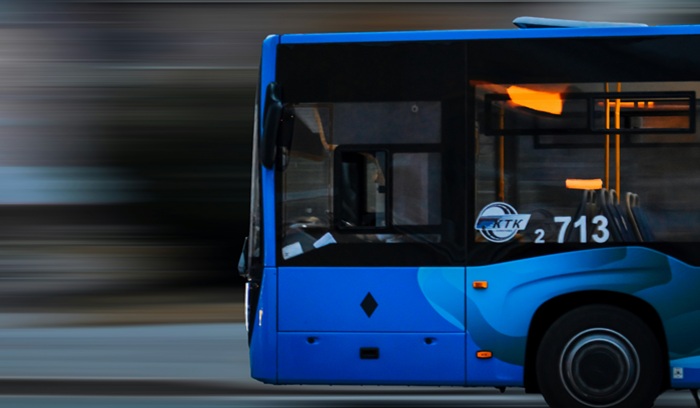
Senegal has inaugurated a massive and transformative public transportation project in its capital city of Dakar. The newly operational Bus Rapid Transit system features a fleet of 121 fully electric buses navigating the bustling metropolitan area. This initiative marks a historic milestone for urban mobility as it is the first network of its kind in Sub-Saharan Africa to operate entirely on clean energy.
The entire fleet is powered by one hundred percent renewable electricity, ensuring that the vehicles produce zero tailpipe emissions. To meet this ambitious energy requirement, the project relies heavily on locally generated solar power to charge the massive transit fleet. This commitment to green energy represents a major leap forward in the global effort to decarbonize mass transit systems.
Transforming Daily Commutes in Dakar
The new electric bus network is designed to drastically improve the daily lives of hundreds of thousands of residents. The system spans over eleven miles of dedicated bus lanes, connecting coastal suburbs directly to the city center. Officials estimate that the fleet will comfortably transport approximately three hundred thousand passengers every single day.
By utilizing dedicated lanes, the rapid transit system effectively bypasses the severe traffic congestion that has historically plagued Dakar. Commuters can now expect their cross-city travel times to be cut in half, dropping from over ninety minutes to just forty-five minutes. This massive reduction in commute times gives residents back valuable hours each week to spend with their families or pursue personal endeavors.
Significant Environmental and Public Health Benefits
Beyond the convenience of faster travel, the environmental benefits of this new system are profoundly positive. Transitioning away from diesel-powered transit is projected to prevent the release of nearly sixty thousand tons of carbon dioxide into the atmosphere annually. You can read more about the technical specifications and environmental impact of these specific electric buses on the CleanTechnica news platform.
This massive reduction in greenhouse gases plays a crucial role in helping Senegal meet its international climate action targets. Furthermore, the elimination of diesel exhaust fumes will lead to a dramatic improvement in local air quality throughout the densely populated capital. Cleaner air translates directly to better respiratory health for millions of citizens, particularly children and the elderly who are most vulnerable to urban pollution.
Collaborative Funding and Regional Leadership
The realization of this monumental infrastructure project was made possible through extensive international and regional collaboration. The financing structure brought together major global entities like the World Bank and the European Investment Bank to support the nation’s green vision. You can explore further details about the financial partnerships that made this development possible through the official World Bank press center.
Private sector partners, including the operator Dakar Mobility, also played a crucial role in launching and maintaining the state-of-the-art fleet. The project has successfully generated thousands of local jobs during both its construction phase and its ongoing daily operations. This blend of public and private investment serves as an effective, proven blueprint for sustainable urban development across the continent.
Enhancing Accessibility and Social Equity
A core pillar of this new transportation network is its unwavering commitment to social equity and universal accessibility. The buses and their corresponding stations have been meticulously designed to easily accommodate passengers with reduced mobility, including wheelchair users. This inclusive approach ensures that the benefits of green technology and rapid transit are shared equally among all members of society.
The system also incorporates well-lit, secure boarding platforms and enhanced safety measures to protect vulnerable commuters during evening hours. Subsidized ticketing options guarantee that the high-quality service remains completely affordable for low-income residents and students. By prioritizing these community-focused features, the government is proving that environmental initiatives can simultaneously drive profound social progress.
Paving the Way for Future Innovations
Senegal’s successful deployment of these electric buses establishes the country as a leading pioneer in sustainable African infrastructure. Other rapidly growing cities across the continent are now looking to Dakar as a practical and inspiring model for solving urban congestion. Organizations like the Institute for Transportation and Development Policy are actively studying the system’s success to help replicate it in similar metropolitan regions.
The buses themselves are equipped with modern amenities such as air conditioning, digital ticketing, and onboard internet access. This elevated passenger experience proves that transitioning to green technology can simultaneously enhance the comfort and reliability of public services. To understand more about the broader transition to renewable energy in the region, the International Renewable Energy Agency offers comprehensive data and future projections.
More Good News
-
Senegal launches all-electric bus network powered by renewable energy
Senegal has successfully launched a transformative Bus Rapid Transit system in Dakar, featuring a fleet of 121 fully electric buses. As the first network in Sub-Saharan Africa to operate entirely on renewable energy, the initiative utilizes local solar power to transport up to 300,000 passengers daily. By utilizing dedicated lanes, the clean energy fleet cuts cross-city commute times in half while preventing nearly 60,000 tons of carbon dioxide emissions annually. This monumental project dramatically improves urban air quality and establishes Senegal as a pioneering leader in sustainable, green public infrastructure.
-

Yangtze River showing remarkable ecological recovery following fishing ban
China’s Yangtze River is experiencing a remarkable ecological revival five years into a sweeping ten-year commercial fishing ban. Recent surveys reveal significant increases in overall fish biomass and the heartening return of critically endangered species in the world’s fifth largest river. Furthermore, thousands of former commercial fishers have been successfully transitioned into new roles as official river guardians. This massive conservation effort offers a hopeful, replicable model for global freshwater restoration.
-

Rob Jetten becomes The Netherland’s first openly gay prime minister
In a historic victory for representation and progressive politics, Rob Jetten has been sworn in as the first openly gay Prime Minister of the Netherlands. At 38 years old, the centrist Democrats 66 leader is also the youngest head of government in Dutch history. Jetten successfully formed a minority coalition government following a tense election that defeated far-right populist opponents. His platform prioritizes climate investment, economic fairness, and strong international collaboration. Jetten’s premiership powerfully reaffirms the Netherlands’ global legacy as a pioneer of LGBTQ+ equality and inclusive, cooperative democratic leadership.
-
Millions of New York City workers gain additional time off through new law
Millions of workers in New York City are benefiting from a major expansion of the Protected Time Off Law, which officially took effect in late February 2026. The progressive legislation grants employees an additional 32 hours of unpaid, protected leave that is available immediately upon hire or at the start of the calendar year. This ensures workers do not have to wait to accrue hours before addressing sudden medical emergencies or family crises. The law also vastly expands permitted uses to include mental health care, public disaster recovery, and caring for disabled loved ones.
-
Malaysia bans electronic waste imports to protect the environment and public health
In a monumental victory for public health and environmental justice, Malaysia has enacted an immediate and absolute ban on the importation of electronic waste. By removing regulatory loopholes and launching a strict enforcement campaign, the nation is successfully preventing toxic heavy metals from polluting its soil and waterways. Authorities have already intercepted hundreds of thousands of kilograms of illegal e-waste at major ports, vowing to return the hazardous materials to their countries of origin. This decisive action establishes Malaysia as a leading force in Southeast Asia’s growing movement to reject global waste and prioritize ecological sustainability.