
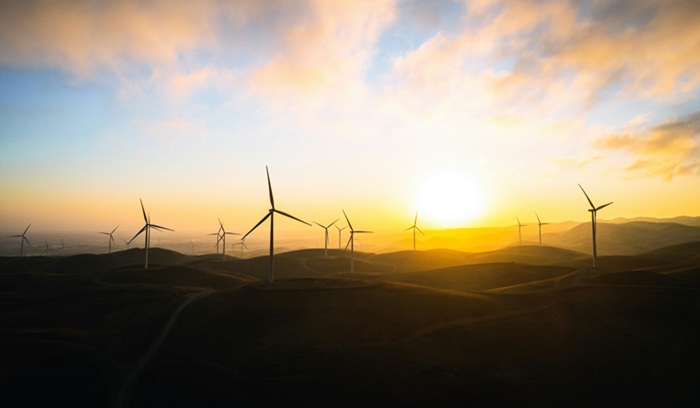
The International Energy Agency (IEA) confirms a monumental turning point in the world’s energy transition. For the first time in history, global electricity generation from renewable sources is set to surpass coal power. Driven by relentless growth in solar and wind, this shift is happening years ahead of earlier projections. This achievement is a major victory for climate goals and global energy security.
The IEA forecasts another record-breaking year for renewable capacity additions in 2025, exceeding 750 gigawatts (GW) worldwide. This massive growth confirms that the clean energy transition is now an unstoppable, market-driven phenomenon. Renewables are proving to be the most affordable option for adding new power capacity in almost every country globally.
Solar Dominance Drives Energy Affordability
Solar power remains the single largest engine of this global energy surge. It is expected to account for roughly 80% of all new renewable capacity added over the next five years. This dominance is driving down the cost of electricity everywhere, making clean power highly competitive. Solar and wind energy are projected to see their combined share in global electricity generation rise significantly by 2026.
This trend is not just environmental but profoundly economic. It ensures that energy affordability improves globally, reducing exposure to volatile fossil fuel markets. The IEA emphasizes that this growth is essential for countries seeking long-term energy independence.
Diversification and Grid Resilience
The transition is now benefiting from increased technological diversification and grid investment. The IEA highlights that wind, hydro, bioenergy, and geothermal are all making key contributions to the energy mix. This diverse portfolio of clean energy sources ensures greater reliability for power systems worldwide.
The increasing share of variable renewables, such as solar and wind, calls for smarter grids. The IEA is actively promoting solutions for secure, cost-effective integration of high shares of clean power. These include investing in advanced operational practices and flexible systems. You can find detailed technical guidance on these integration challenges from the IEA on Renewable Integration Studies.
Emerging Markets Lead the Growth
Renewable energy growth is surging fastest in emerging and developing economies. China continues to lead the world, accounting for nearly 60% of global renewable capacity expansion. India is also emerging as the second-largest growth market over the next five years. This includes significant support for rooftop solar and faster hydropower permitting.
Beyond Asia, the Middle East and North Africa region has seen substantial upward revisions in its forecast. Countries like Saudi Arabia are rapidly expanding solar power. Sub-Saharan Africa is projected to double its renewable capacity by 2030, a significant step toward energy access. This widespread adoption proves that clean energy is the foundation for economic development globally. For more on this critical regional growth, the International Renewable Energy Agency (IRENA) tracks capacity increases worldwide.
The Foundation for Decarbonization
The rapid scaling of renewables provides a clear and hopeful path toward meeting global decarbonization goals. Renewables are expected to surpass coal as the largest global energy source. This foundational shift helps lock in long-term emissions reductions. The growth in clean power is now covering virtually all global electricity demand growth.
This success underscores the potential of international climate commitments. Although the world is still likely to fall short of the 11.5 TW goal pledged at COP28 to triple capacity by 2030, the pace of deployment remains unprecedented. The robust growth confirms that a future of cleaner, more secure energy is within reach. The IEA Global EV Outlook highlights the parallel growth in transport electrification that this power surge supports. Further information on the global policy context is available in the IEA Renewables Market Updates.
More Good News
-

Senegal launches all-electric bus network powered by renewable energy
Senegal has successfully launched a transformative Bus Rapid Transit system in Dakar, featuring a fleet of 121 fully electric buses. As the first network in Sub-Saharan Africa to operate entirely on renewable energy, the initiative utilizes local solar power to transport up to 300,000 passengers daily. By utilizing dedicated lanes, the clean energy fleet cuts cross-city commute times in half while preventing nearly 60,000 tons of carbon dioxide emissions annually. This monumental project dramatically improves urban air quality and establishes Senegal as a pioneering leader in sustainable, green public infrastructure.
-

Yangtze River showing remarkable ecological recovery following fishing ban
China’s Yangtze River is experiencing a remarkable ecological revival five years into a sweeping ten-year commercial fishing ban. Recent surveys reveal significant increases in overall fish biomass and the heartening return of critically endangered species in the world’s fifth largest river. Furthermore, thousands of former commercial fishers have been successfully transitioned into new roles as official river guardians. This massive conservation effort offers a hopeful, replicable model for global freshwater restoration.
-

Rob Jetten becomes The Netherland’s first openly gay prime minister
In a historic victory for representation and progressive politics, Rob Jetten has been sworn in as the first openly gay Prime Minister of the Netherlands. At 38 years old, the centrist Democrats 66 leader is also the youngest head of government in Dutch history. Jetten successfully formed a minority coalition government following a tense election that defeated far-right populist opponents. His platform prioritizes climate investment, economic fairness, and strong international collaboration. Jetten’s premiership powerfully reaffirms the Netherlands’ global legacy as a pioneer of LGBTQ+ equality and inclusive, cooperative democratic leadership.
-

Millions of New York City workers gain additional time off through new law
Millions of workers in New York City are benefiting from a major expansion of the Protected Time Off Law, which officially took effect in late February 2026. The progressive legislation grants employees an additional 32 hours of unpaid, protected leave that is available immediately upon hire or at the start of the calendar year. This ensures workers do not have to wait to accrue hours before addressing sudden medical emergencies or family crises. The law also vastly expands permitted uses to include mental health care, public disaster recovery, and caring for disabled loved ones.
-

Malaysia bans electronic waste imports to protect the environment and public health
In a monumental victory for public health and environmental justice, Malaysia has enacted an immediate and absolute ban on the importation of electronic waste. By removing regulatory loopholes and launching a strict enforcement campaign, the nation is successfully preventing toxic heavy metals from polluting its soil and waterways. Authorities have already intercepted hundreds of thousands of kilograms of illegal e-waste at major ports, vowing to return the hazardous materials to their countries of origin. This decisive action establishes Malaysia as a leading force in Southeast Asia’s growing movement to reject global waste and prioritize ecological sustainability.