

Australia has achieved a monumental milestone in its transition to a clean energy economy. For the first time, renewable energy sources have supplied over 50 percent of the electricity in the National Electricity Market. This achievement marks a permanent shift away from the nation’s historical reliance on coal power.
The data confirms that the speed of the transition is accelerating. This surge is driven by world-leading uptake of rooftop solar and significant investment in wind farms. It demonstrates that a modern industrial economy can operate reliably on green energy.
Driving Forces Behind the Shift
The primary driver of this success is the collective action of Australian households. Millions of homes and businesses have installed rooftop solar panels, creating a massive decentralized power station. This grassroots investment is reducing demand on the grid during peak daylight hours.
Simultaneously, large-scale wind and solar projects are coming online at a rapid pace. These utility-scale facilities are providing the bulk energy needed to replace aging thermal plants. The Clean Energy Council reports that investment in these projects has stabilized after years of policy uncertainty.
Displacing Fossil Fuels
The rise of renewables has coincided with a sharp decline in coal generation. As renewable output hits record highs, coal-fired power stations are dialing back their production. This displacement is the most effective way to lower the nation’s carbon footprint.
Market dynamics are favoring cheaper renewable energy over expensive fossil fuels. Coal plants are finding it increasingly difficult to compete during the day. This economic reality is hastening the retirement of the country’s aging coal fleet.
Ensuring Grid Reliability
Critics often cite reliability as a concern for renewable grids. However, the system successfully managed the grid during this record-breaking period without disruption. The stability was supported by the growing network of grid-scale batteries.
These storage systems soak up excess solar energy during the day and discharge it during the evening peaks. This technology smoothes out the variability of the weather. It proves that a renewable grid can be both green and reliable. The Australian Energy Market Operator (AEMO) provides data on how the operator balances these new resources.
Economic Benefits for Consumers
The abundance of zero-fuel-cost energy is putting downward pressure on wholesale electricity prices. While transmission costs remain a factor, the generation component of the bill is becoming cheaper. This shields Australian consumers from the volatility of global gas and coal prices.
Lower energy costs are vital for the competitiveness of Australian industry. By harnessing its abundant natural resources, Australia is building a comparative economic advantage. This transition supports the growth of new green industries like hydrogen production.
A Pathway to 2030 Goals
Crossing the 50 percent threshold provides confidence that Australia can meet its future climate targets. The federal government has set a goal of 82 percent renewable energy by 2030. This current success suggests that this ambitious target is within reach if momentum is maintained.
The focus now shifts to upgrading the transmission network to connect more renewable zones. Continued government support and private investment are essential to bridge the remaining gap. The CSIRO provides ongoing analysis of the technology pathways needed to reach net zero. Furthermore, the Department of Climate Change, Energy, the Environment and Water outlines the specific policies supporting this shift.
Resources
- Clean Energy Council on Renewable Energy Projects
- Australian Energy Market Operator (AEMO) on Market Data
- CSIRO on Energy Transition Pathways
- Department of Climate Change, Energy, the Environment and Water on Government Policy
More Good News
-

U.S.’s Smithsonian Institution to return stolen medieval sculptures to India
The Smithsonian National Museum of Asian Art is officially returning three ancient bronze sculptures to India after an internal investigation confirmed they were illegally removed from Tamil Nadu temples in the mid-twentieth century. In a unique collaborative agreement, the Indian government will allow one returned sculpture, a tenth-century Shiva Nataraja, to remain at the Washington museum on a long-term loan for educational display. This arrangement highlights a growing international commitment to decolonizing museum spaces, prioritizing transparent provenance research, and fostering cross-cultural cooperation to correct historical wrongs.
-

Sierra Leone opens its first-ever NICU in historic milestone for maternal health
In a historic milestone for global health, Sierra Leone has opened its first-ever neonatal intensive care unit (NICU) at the new Maternal Center of Excellence in Kono District. This state-of-the-art facility, built by Partners In Health and the local government, was largely funded by the “Nerdfighteria” community led by Hank and John Green, who raised over $50 million. The center aims to drastically reduce maternal and infant mortality by providing advanced care, including piped oxygen and surgical suites, while serving as a teaching hospital for the next generation of local clinicians.
-
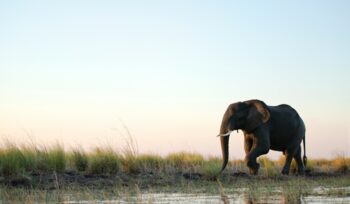
Indonesia bans elephant riding in landmark welfare move
Following years of campaigning by animal welfare organizations, Indonesia has officially banned elephant riding at all tourism and conservation facilities. This landmark directive from the Ministry of Environment and Forestry ends a cruel practice that relies on brutal training and causes long-term harm to endangered elephants. Facilities must now transition to ethical, observation-based tourism models. This major policy shift prioritizes animal welfare over entertainment, setting a powerful example for responsible wildlife tourism across Southeast Asia.
-

Wild bison return to Illinois prairie after nearly 200 years
In a historic moment for conservation, wild bison have returned to the Illinois prairie for the first time in nearly two centuries. The Nature Conservancy has successfully reintroduced a genetically pure herd to the Nachusa Grasslands, marking the first time wild bison have roamed east of the Mississippi since the 1830s. This ecological milestone aims to restore the health of the tallgrass prairie, as the bison’s natural grazing habits boost biodiversity and support other native species. The project offers a powerful model for rewilding and connecting communities with their natural heritage.
-

Electric car sales outpace gas-powered cars in the E.U. for the first time
In a historic shift for the automotive industry, fully electric vehicles (EVs) have outsold petrol cars in the European Union for the first time. Data from the European Automobile Manufacturers Association shows that EVs captured 23.6 percent of the market in December 2025, surpassing petrol registrations. This milestone confirms that the transition to zero-emission transport is accelerating rapidly, driven by strong climate policies, falling costs, and growing consumer confidence. The achievement marks the beginning of the end for fossil fuel dominance on European roads.