

New Jersey has taken a decisive step to prioritize student well-being and academic focus with the passage of a statewide “bell-to-bell” cellphone ban in public schools. Signed by Governor Phil Murphy in his final days in office, this new law mandates that all school districts restrict student access to internet-connected devices throughout the entire school day. This includes lunch and recess periods, ensuring a distraction-free environment from arrival to dismissal.
The legislation is a proactive response to growing concerns about the impact of social media and constant connectivity on youth mental health. It aims to reclaim the classroom as a space for learning and genuine human interaction. This move positions New Jersey as a national leader in educational reform.
Part of a Growing National Movement
New Jersey’s action is part of a rapidly accelerating national trend to limit phone use in schools. States like Florida were early adopters, passing legislation in 2023 that banned phones during instructional time. Other states, including South Carolina, Indiana, and Ohio, have followed suit with similar restrictions aimed at curbing distractions.
California and New York are also actively considering or implementing measures to reduce screen time in classrooms. New Jersey’s “bell-to-bell” approach is among the most comprehensive, setting a high standard for restriction. This collective momentum signals a bipartisan consensus that unregulated technology has no place in the learning environment.
Restoring Focus and Social Connection
The primary goal of the ban is to reduce distractions that hinder academic performance. By removing phones from the equation, students can engage more deeply with their lessons and their peers. Early adopters of similar policies have reported noticeable improvements in student attention spans.
Beyond academics, the policy fosters better social skills. Without screens to hide behind, students are encouraged to talk to one another face-to-face during breaks. This shift is expected to reduce social anxiety and bullying, creating a healthier school climate. Advocates for Children of New Jersey highlight the positive behavioral changes observed in pilot districts.
Implementation and Local Flexibility
The law requires the New Jersey Department of Education to provide clear guidelines for implementation, which will take full effect in the 2026-2027 school year. While the state sets the “bell-to-bell” standard, local school boards retain flexibility in how they enforce it. Options range from magnetic locking pouches to secure lockers or simply requiring phones to be kept in backpacks.
This balanced approach allows districts to tailor the policy to their specific community needs and resources. To support this transition, the state has allocated grant funding to help schools purchase necessary storage equipment. This financial support ensures that no district is left behind in adopting the new standards. The New Jersey Department of Education has released comprehensive guidance on storage solutions and enforcement strategies.
Addressing Mental Health Concerns
The ban is fundamentally a mental health intervention. Constant exposure to social media has been linked to increased rates of depression, anxiety, and loneliness among adolescents. By creating a phone-free sanctuary, schools can provide a much-needed break from the pressures of the digital world.
Governor Murphy emphasized that this policy is about protecting students from the “perils of social media” during their formative years. It gives young people the space to develop without the constant feedback loop of online validation. This protective measure aligns with recommendations from health experts and psychologists. The Jed Foundation provides resources on the mental health benefits of reducing screen time in schools.
Resources
- Advocates for Children of New Jersey on Policy Impact
- New Jersey Department of Education on Implementation Guidelines
- Jed Foundation on Student Mental Health
- Center for American Progress on National Policy Recommendations
More Good News
-
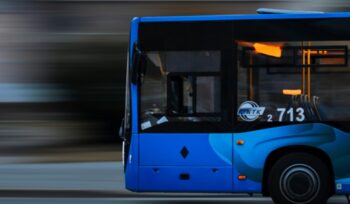
Senegal launches all-electric bus network powered by renewable energy
Senegal has successfully launched a transformative Bus Rapid Transit system in Dakar, featuring a fleet of 121 fully electric buses. As the first network in Sub-Saharan Africa to operate entirely on renewable energy, the initiative utilizes local solar power to transport up to 300,000 passengers daily. By utilizing dedicated lanes, the clean energy fleet cuts cross-city commute times in half while preventing nearly 60,000 tons of carbon dioxide emissions annually. This monumental project dramatically improves urban air quality and establishes Senegal as a pioneering leader in sustainable, green public infrastructure.
-

Yangtze River showing remarkable ecological recovery following fishing ban
China’s Yangtze River is experiencing a remarkable ecological revival five years into a sweeping ten-year commercial fishing ban. Recent surveys reveal significant increases in overall fish biomass and the heartening return of critically endangered species in the world’s fifth largest river. Furthermore, thousands of former commercial fishers have been successfully transitioned into new roles as official river guardians. This massive conservation effort offers a hopeful, replicable model for global freshwater restoration.
-

Rob Jetten becomes The Netherland’s first openly gay prime minister
In a historic victory for representation and progressive politics, Rob Jetten has been sworn in as the first openly gay Prime Minister of the Netherlands. At 38 years old, the centrist Democrats 66 leader is also the youngest head of government in Dutch history. Jetten successfully formed a minority coalition government following a tense election that defeated far-right populist opponents. His platform prioritizes climate investment, economic fairness, and strong international collaboration. Jetten’s premiership powerfully reaffirms the Netherlands’ global legacy as a pioneer of LGBTQ+ equality and inclusive, cooperative democratic leadership.
-

Millions of New York City workers gain additional time off through new law
Millions of workers in New York City are benefiting from a major expansion of the Protected Time Off Law, which officially took effect in late February 2026. The progressive legislation grants employees an additional 32 hours of unpaid, protected leave that is available immediately upon hire or at the start of the calendar year. This ensures workers do not have to wait to accrue hours before addressing sudden medical emergencies or family crises. The law also vastly expands permitted uses to include mental health care, public disaster recovery, and caring for disabled loved ones.
-

Malaysia bans electronic waste imports to protect the environment and public health
In a monumental victory for public health and environmental justice, Malaysia has enacted an immediate and absolute ban on the importation of electronic waste. By removing regulatory loopholes and launching a strict enforcement campaign, the nation is successfully preventing toxic heavy metals from polluting its soil and waterways. Authorities have already intercepted hundreds of thousands of kilograms of illegal e-waste at major ports, vowing to return the hazardous materials to their countries of origin. This decisive action establishes Malaysia as a leading force in Southeast Asia’s growing movement to reject global waste and prioritize ecological sustainability.