
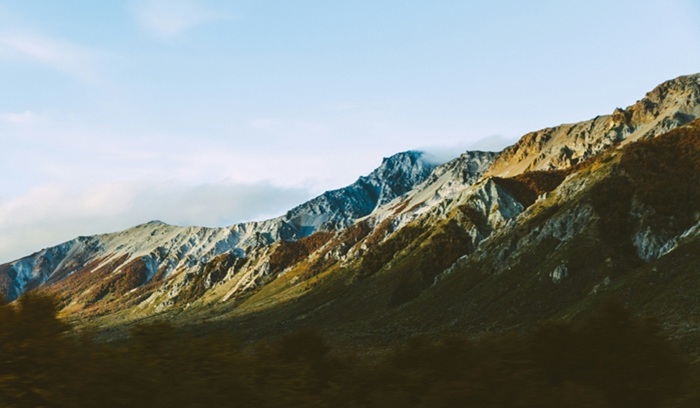
A massive area of untouched wilderness in Chilean Patagonia has been permanently protected following a successful local fundraising campaign. The initiative has secured 133,000 hectares of land in the Puelo River valley, safeguarding one of the most pristine ecosystems on the planet. This victory is a testament to the power of community-led conservation. It demonstrates that local action can achieve global environmental impact.
The protected area, known as “Hacienda Puchegüín,” is home to ancient forests, glaciers, and endangered species. Its preservation ensures that this unique landscape remains free from industrial development, such as mining or hydroelectric dams.
A Triumph for Community Fundraising
The most inspiring aspect of this achievement is the grassroots nature of the funding. A coalition of local organizations, philanthropists, and international partners raised the $78 million needed to purchase the land. This collaborative effort proves that diverse groups can unite to achieve monumental conservation goals.
The fundraising campaign, led by the local NGO Puelo Patagonia, mobilized support from thousands of individual donors. This broad base of support highlights the deep connection people feel to this landscape. It shows that conservation is not just the domain of governments but a shared responsibility. The success of this model provides a blueprint for future land acquisitions.
Protecting Ancient Alerce Forests
One of the primary ecological victories is the protection of the ancient alerce forests found within the property. The alerce, often called the “redwood of the south,” is one of the longest-living tree species on Earth, with some individuals living for over 3,000 years. Securing this habitat is vital for the long-term survival of this endangered species.
These forests are also critical carbon sinks, absorbing vast amounts of carbon dioxide from the atmosphere. Their protection contributes directly to global climate mitigation efforts. The preservation of such old-growth forests is a key strategy in the fight against climate change. You can read more about the ecological significance of the alerce from the Global Trees Campaign.
A Model for Private Conservation
The purchase of Hacienda Puchegüín represents a new model for private conservation in Chile. The land will not be turned into a traditional national park but will be managed as a private protected area with public access. This model allows for flexibility in management while ensuring strict conservation standards.
It also enables the development of sustainable ecotourism, which can provide economic benefits to local communities. By integrating conservation with local livelihoods, the project ensures long-term community support. This approach aligns with the growing trend of “parks for people.” The Tompkins Conservation organization has pioneered similar large-scale private conservation projects in the region.
Securing Water and Wildlife
The protected area encompasses a significant portion of the Puelo River watershed. This river is a vital source of fresh water for the region and supports a rich diversity of aquatic life. Protecting the headwaters ensures the quality and flow of water for downstream communities and ecosystems.
The land also provides a crucial habitat for the endangered huemul deer and other rare Andean species. By securing this vast, contiguous territory, conservationists are creating a safe haven for wildlife to roam and breed. This connectivity is essential for maintaining healthy populations. The Wildlife Conservation Society (WCS) Chile works extensively on protecting these Patagonian landscapes. Furthermore, the International Union for Conservation of Nature (IUCN) provides resources on the importance of private protected areas.
Resources
- Global Trees Campaign on Alerce Conservation
- Tompkins Conservation on Rewilding Patagonia
- Wildlife Conservation Society (WCS) Chile on Patagonian Ecosystems
- International Union for Conservation of Nature (IUCN) on Private Protected Areas
More Good News
-

Senegal launches all-electric bus network powered by renewable energy
Senegal has successfully launched a transformative Bus Rapid Transit system in Dakar, featuring a fleet of 121 fully electric buses. As the first network in Sub-Saharan Africa to operate entirely on renewable energy, the initiative utilizes local solar power to transport up to 300,000 passengers daily. By utilizing dedicated lanes, the clean energy fleet cuts cross-city commute times in half while preventing nearly 60,000 tons of carbon dioxide emissions annually. This monumental project dramatically improves urban air quality and establishes Senegal as a pioneering leader in sustainable, green public infrastructure.
-
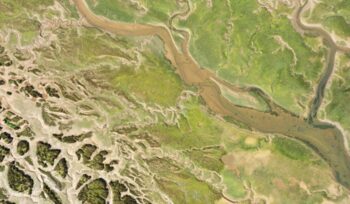
Yangtze River showing remarkable ecological recovery following fishing ban
China’s Yangtze River is experiencing a remarkable ecological revival five years into a sweeping ten-year commercial fishing ban. Recent surveys reveal significant increases in overall fish biomass and the heartening return of critically endangered species in the world’s fifth largest river. Furthermore, thousands of former commercial fishers have been successfully transitioned into new roles as official river guardians. This massive conservation effort offers a hopeful, replicable model for global freshwater restoration.
-

Rob Jetten becomes The Netherland’s first openly gay prime minister
In a historic victory for representation and progressive politics, Rob Jetten has been sworn in as the first openly gay Prime Minister of the Netherlands. At 38 years old, the centrist Democrats 66 leader is also the youngest head of government in Dutch history. Jetten successfully formed a minority coalition government following a tense election that defeated far-right populist opponents. His platform prioritizes climate investment, economic fairness, and strong international collaboration. Jetten’s premiership powerfully reaffirms the Netherlands’ global legacy as a pioneer of LGBTQ+ equality and inclusive, cooperative democratic leadership.
-

Millions of New York City workers gain additional time off through new law
Millions of workers in New York City are benefiting from a major expansion of the Protected Time Off Law, which officially took effect in late February 2026. The progressive legislation grants employees an additional 32 hours of unpaid, protected leave that is available immediately upon hire or at the start of the calendar year. This ensures workers do not have to wait to accrue hours before addressing sudden medical emergencies or family crises. The law also vastly expands permitted uses to include mental health care, public disaster recovery, and caring for disabled loved ones.
-

Malaysia bans electronic waste imports to protect the environment and public health
In a monumental victory for public health and environmental justice, Malaysia has enacted an immediate and absolute ban on the importation of electronic waste. By removing regulatory loopholes and launching a strict enforcement campaign, the nation is successfully preventing toxic heavy metals from polluting its soil and waterways. Authorities have already intercepted hundreds of thousands of kilograms of illegal e-waste at major ports, vowing to return the hazardous materials to their countries of origin. This decisive action establishes Malaysia as a leading force in Southeast Asia’s growing movement to reject global waste and prioritize ecological sustainability.