
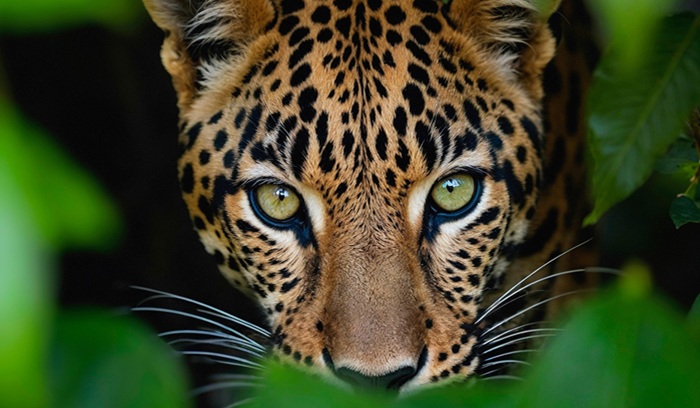
Mexico is celebrating a major victory for biodiversity with a significant rise in its jaguar population. The numbers of these iconic big cats have surged across key territories, proving that dedicated, large-scale conservation strategies are highly effective. This successful rebound is a testament to years of national investment and collaboration with local communities. It secures the future of a crucial apex predator and signals the health of entire ecosystems.
This positive trend is a source of national pride. It reinforces Mexico’s commitment to protecting its rich natural heritage. The successful conservation of jaguars demonstrates a powerful balance between economic development and environmental stewardship.
Population Surge Reflects Effective Strategy
The increase in the jaguar population is a direct result of comprehensive national conservation strategies. While specific recent figures are proprietary to conservation groups, the trend shows significant recovery from the low points recorded earlier in the 21st century. This success is built on two primary pillars: protecting the jaguars’ natural prey base and securing critical habitat corridors.
Protecting the prey—such as deer, peccaries, and armadillos—ensures the jaguars have a sustainable food source. This stabilization of the food chain is essential for supporting a growing predator population. This conservation strategy effectively addressed the threat of habitat fragmentation.
Securing Critical Habitat Corridors
The protection of habitat has been the most critical element of the recovery. Jaguars require vast, continuous stretches of territory to roam, hunt, and breed successfully. Conservation efforts focused on creating and enforcing biological corridors that connect major forest fragments. This prevents genetic isolation and supports a resilient, genetically diverse population.
These corridors are not just lines on a map; they are protected swaths of land that link ecosystems like the Selva Maya. The Selva Maya, a massive forest region spanning Mexico, Belize, and Guatemala, is vital for the jaguar. Securing these pathways has been achieved through partnerships with local landowners and Indigenous communities. This collaboration ensures that conservation benefits local populations. For information on the importance of these corridors, the World Wildlife Fund (WWF) provides details on their role in large predator conservation.
Community Engagement and Coexistence
A key to this positive outcome is the successful promotion of coexistence between jaguars and human communities. Historically, conflict arose when jaguars preyed on livestock, leading to retaliatory killings. Conservation programs introduced innovative methods to reduce this conflict. These methods included building predator-proof corrals and offering prompt compensation to ranchers for livestock losses.
Furthermore, economic incentives were established through ecotourism and conservation-based employment. Local people now benefit directly from the jaguar’s presence. This shift in economic value transforms the jaguar from a perceived threat into a valuable, protected asset. This model of community-based conservation proves that human livelihoods and wildlife can thrive together. You can find detailed reports on these coexistence strategies from the Wildlife Conservation Society (WCS).
A Beacon for Mesoamerican Biodiversity
Mexico’s success with the jaguar provides an inspiring beacon for all of Mesoamerica. The jaguar is considered an umbrella species. Protecting it ensures the health and survival of countless other species within its ecosystem. Its recovery signals the robust health of the entire tropical forest and wetland environment.
This achievement reinforces Mexico’s national commitment to biodiversity goals. The country is a signatory to international conventions supporting wildlife preservation. The positive trend offers valuable lessons in combining scientific monitoring, strong legal protection, and local economic empowerment. This model sets a high standard for large predator recovery globally. The International Union for Conservation of Nature (IUCN) Specialist Group tracks the species’ status. The country’s commitment is also highlighted by the Mexican Government’s National Commission of Protected Natural Areas (CONANP) and their work on endemic species.
Resources
- World Wildlife Fund (WWF) on Biological Corridors
- Wildlife Conservation Society (WCS) on Coexistence Strategies
- International Union for Conservation of Nature (IUCN) Cat Specialist Group
- Mexican Government’s National Commission of Protected Natural Areas (CONANP) Official Site
More Good News
-

Senegal launches all-electric bus network powered by renewable energy
Senegal has successfully launched a transformative Bus Rapid Transit system in Dakar, featuring a fleet of 121 fully electric buses. As the first network in Sub-Saharan Africa to operate entirely on renewable energy, the initiative utilizes local solar power to transport up to 300,000 passengers daily. By utilizing dedicated lanes, the clean energy fleet cuts cross-city commute times in half while preventing nearly 60,000 tons of carbon dioxide emissions annually. This monumental project dramatically improves urban air quality and establishes Senegal as a pioneering leader in sustainable, green public infrastructure.
-

Yangtze River showing remarkable ecological recovery following fishing ban
China’s Yangtze River is experiencing a remarkable ecological revival five years into a sweeping ten-year commercial fishing ban. Recent surveys reveal significant increases in overall fish biomass and the heartening return of critically endangered species in the world’s fifth largest river. Furthermore, thousands of former commercial fishers have been successfully transitioned into new roles as official river guardians. This massive conservation effort offers a hopeful, replicable model for global freshwater restoration.
-

Rob Jetten becomes The Netherland’s first openly gay prime minister
In a historic victory for representation and progressive politics, Rob Jetten has been sworn in as the first openly gay Prime Minister of the Netherlands. At 38 years old, the centrist Democrats 66 leader is also the youngest head of government in Dutch history. Jetten successfully formed a minority coalition government following a tense election that defeated far-right populist opponents. His platform prioritizes climate investment, economic fairness, and strong international collaboration. Jetten’s premiership powerfully reaffirms the Netherlands’ global legacy as a pioneer of LGBTQ+ equality and inclusive, cooperative democratic leadership.
-

Millions of New York City workers gain additional time off through new law
Millions of workers in New York City are benefiting from a major expansion of the Protected Time Off Law, which officially took effect in late February 2026. The progressive legislation grants employees an additional 32 hours of unpaid, protected leave that is available immediately upon hire or at the start of the calendar year. This ensures workers do not have to wait to accrue hours before addressing sudden medical emergencies or family crises. The law also vastly expands permitted uses to include mental health care, public disaster recovery, and caring for disabled loved ones.
-

Malaysia bans electronic waste imports to protect the environment and public health
In a monumental victory for public health and environmental justice, Malaysia has enacted an immediate and absolute ban on the importation of electronic waste. By removing regulatory loopholes and launching a strict enforcement campaign, the nation is successfully preventing toxic heavy metals from polluting its soil and waterways. Authorities have already intercepted hundreds of thousands of kilograms of illegal e-waste at major ports, vowing to return the hazardous materials to their countries of origin. This decisive action establishes Malaysia as a leading force in Southeast Asia’s growing movement to reject global waste and prioritize ecological sustainability.