
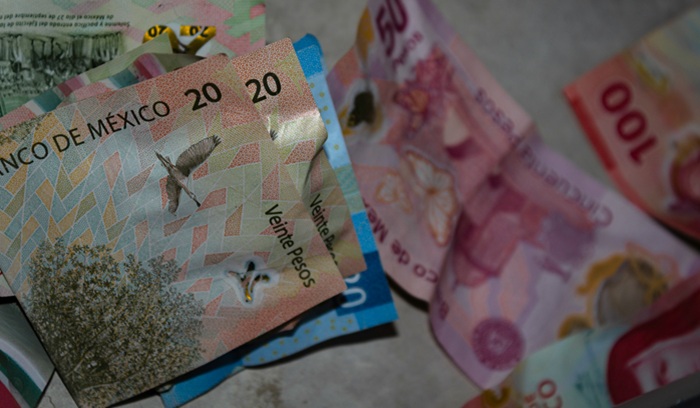
The Mexican government has announced another significant increase to the daily minimum wage, continuing its commitment to improving worker livelihoods. Starting January 1, 2026, the minimum wage will rise by 13%, reaching 315.04 pesos ($17.27) per day. This marks the eighth consecutive year of double-digit wage hikes under the current political administration. This policy is a powerful tool for reducing poverty and strengthening the purchasing power of millions of families.
This consistent growth demonstrates a clear national priority: ensuring that economic gains are shared with the workforce. It reinforces the government’s strategy of boosting domestic consumption as a key driver of the economy.
Boosting Income and Reducing Poverty
The primary positive impact of this increase is the direct boost to household incomes. Since 2018, the real value of the minimum wage in Mexico has more than doubled, significantly outpacing inflation. This sustained effort has lifted millions of workers out of poverty and reduced income inequality. By putting more money into the pockets of low-wage earners, the policy improves their quality of life and financial security.
This rise in income allows families to afford better nutrition, healthcare, and education. It creates a more robust social safety net without relying solely on direct welfare payments. This economic empowerment is foundational for a more equitable society. You can read more about the impact of wage policies on poverty from the International Labour Organization (ILO).
Strengthening the Domestic Market
Raising the minimum wage is also a strategic economic move to strengthen the domestic market. Higher wages mean increased consumer spending, which fuels demand for goods and services. This cycle of consumption supports local businesses and drives economic growth from the bottom up. It reduces the economy’s reliance on external factors and builds internal resilience.
Business leaders and labor unions reached a consensus on this increase, signaling a shared commitment to stability. This cooperation is vital for maintaining a healthy business environment while improving labor conditions. It proves that economic competitiveness and fair wages can coexist. The World Bank provides comprehensive data on Mexico’s economic performance and labor market trends.
A Model for Labor Rights in the Region
Mexico’s consistent wage hikes set a progressive standard for labor rights in Latin America. The government’s approach challenges the old model of keeping wages artificially low to attract investment. Instead, it promotes a vision where workers are valued partners in economic development. This leadership is inspiring discussions on wage dignity across the region.
The policy aligns with international labor standards and reflects a modern understanding of economic justice. It ensures that the benefits of trade and industrialization are distributed more fairly. This commitment enhances Mexico’s reputation as a nation dedicated to social progress. The Economic Commission for Latin America and the Caribbean (ECLAC) tracks these regional trends in labor and social inequality.
Sustaining Momentum for Workers
The 13% increase is part of a broader, long-term strategy to recover the purchasing power lost during decades of wage stagnation. The government has pledged to continue these adjustments until the minimum wage covers a broader basket of goods and services. This forward-looking commitment provides certainty and hope for the workforce.
The success of this policy is evident in the resilience of the Mexican economy and the improved well-being of its citizens. It stands as a testament to the power of political will to transform labor markets. The ongoing dialogue between government, labor, and business ensures that this progress is sustainable. For more on the specifics of the wage agreement, Mexico’s National Minimum Wage Commission (CONASAMI) publishes official reports and data.
Resources
- International Labour Organization (ILO) on Minimum Wage Policy
- The World Bank on Mexico’s Economy
- Economic Commission for Latin America and the Caribbean (ECLAC) on Regional Social Development
- National Minimum Wage Commission (CONASAMI) Official Site
More Good News
-

Senegal launches all-electric bus network powered by renewable energy
Senegal has successfully launched a transformative Bus Rapid Transit system in Dakar, featuring a fleet of 121 fully electric buses. As the first network in Sub-Saharan Africa to operate entirely on renewable energy, the initiative utilizes local solar power to transport up to 300,000 passengers daily. By utilizing dedicated lanes, the clean energy fleet cuts cross-city commute times in half while preventing nearly 60,000 tons of carbon dioxide emissions annually. This monumental project dramatically improves urban air quality and establishes Senegal as a pioneering leader in sustainable, green public infrastructure.
-

Yangtze River showing remarkable ecological recovery following fishing ban
China’s Yangtze River is experiencing a remarkable ecological revival five years into a sweeping ten-year commercial fishing ban. Recent surveys reveal significant increases in overall fish biomass and the heartening return of critically endangered species in the world’s fifth largest river. Furthermore, thousands of former commercial fishers have been successfully transitioned into new roles as official river guardians. This massive conservation effort offers a hopeful, replicable model for global freshwater restoration.
-

Rob Jetten becomes The Netherland’s first openly gay prime minister
In a historic victory for representation and progressive politics, Rob Jetten has been sworn in as the first openly gay Prime Minister of the Netherlands. At 38 years old, the centrist Democrats 66 leader is also the youngest head of government in Dutch history. Jetten successfully formed a minority coalition government following a tense election that defeated far-right populist opponents. His platform prioritizes climate investment, economic fairness, and strong international collaboration. Jetten’s premiership powerfully reaffirms the Netherlands’ global legacy as a pioneer of LGBTQ+ equality and inclusive, cooperative democratic leadership.
-

Millions of New York City workers gain additional time off through new law
Millions of workers in New York City are benefiting from a major expansion of the Protected Time Off Law, which officially took effect in late February 2026. The progressive legislation grants employees an additional 32 hours of unpaid, protected leave that is available immediately upon hire or at the start of the calendar year. This ensures workers do not have to wait to accrue hours before addressing sudden medical emergencies or family crises. The law also vastly expands permitted uses to include mental health care, public disaster recovery, and caring for disabled loved ones.
-

Malaysia bans electronic waste imports to protect the environment and public health
In a monumental victory for public health and environmental justice, Malaysia has enacted an immediate and absolute ban on the importation of electronic waste. By removing regulatory loopholes and launching a strict enforcement campaign, the nation is successfully preventing toxic heavy metals from polluting its soil and waterways. Authorities have already intercepted hundreds of thousands of kilograms of illegal e-waste at major ports, vowing to return the hazardous materials to their countries of origin. This decisive action establishes Malaysia as a leading force in Southeast Asia’s growing movement to reject global waste and prioritize ecological sustainability.