
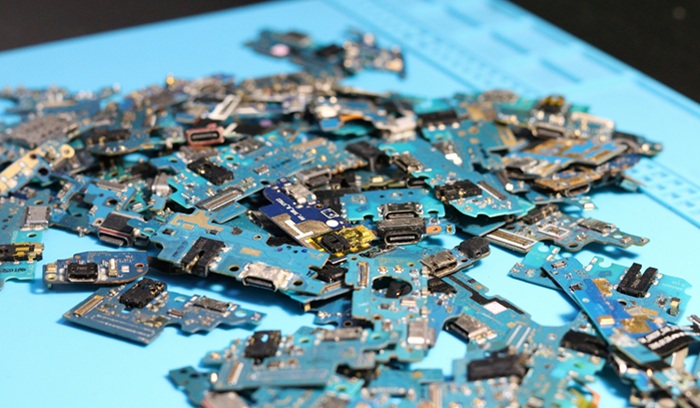
Malaysia has officially enacted an immediate and comprehensive ban on the importation of electronic waste. The government reclassified all e-waste under the absolute prohibition category to protect the nation from becoming a global dumping ground. This decisive action eliminates previous regulatory loopholes and marks a massive victory for environmental advocates and public health.
Closing Loopholes and Enforcing the Border
Previously, the Malaysian Department of Environment held discretionary power to grant exemptions for certain e-waste imports. The new absolute prohibition removes this power entirely, ensuring that hazardous materials can no longer enter the country legally under the guise of recycling. Authorities have formed a special committee under the Malaysia Border Control and Protection Agency to strictly enforce this new environmental standard.
The ban is already producing highly effective and immediate results at the national borders. Just weeks after the policy took effect, customs officials at Port Klang successfully intercepted over 186,000 kilograms of illegal e-waste hidden in shipping containers. Officials have firmly stated that all confiscated materials will be shipped directly back to their countries of origin.
Between the years of 2021 and 2025, Malaysian authorities detained more than 700 containers of illegal e-waste. Recent coordinated operations have proven even more successful, with one sweep inspecting 116 containers and halting over 900,000 kilograms of illegal waste. These massive seizures, detailed in reports by Eco-Business, demonstrate the government’s unwavering commitment to identifying and stopping environmental hazards before they reach local communities.
Protecting Communities and Restoring Trust
Discarded electronic products such as computers, smartphones, and household appliances often contain dangerous heavy metals. These toxic substances include lead, mercury, and cadmium, which can severely pollute local soil and water resources if improperly handled. By halting these imports at the source, Malaysia is directly safeguarding the health of its citizens and preserving its beautiful natural ecosystems.
This environmental triumph also represents a major step forward in government transparency and administrative accountability. The Associated Press notes that the ban coincides with a rigorous anti-corruption crackdown led by the Malaysian Anti-Corruption Commission to remove bad actors from the waste management sector. By rooting out officials who previously enabled illegal dumping, the government is prioritizing the wellbeing of its people over illicit profits.
Inspiring Regional and Global Responsibility
Malaysia’s strong stance serves as an inspiring model for other nations navigating the growing global waste crisis. According to the Global E-waste Monitor, global electronic waste reached 62 million tonnes in 2024 and could climb to 82 million tonnes by the end of the decade. By refusing to accept this hazardous burden, Malaysia is forcing wealthy nations to finally take responsibility for recycling their own technological waste.
This legislation contributes to a powerful regional movement across Southeast Asia to prioritize ecological health and sustainability. Neighboring countries like Indonesia have also begun rejecting toxic shipments, recently seizing and returning over 70 containers of electronic waste to the United States. Together, these nations are upholding the principles of the Basel Convention and establishing a new standard of environmental justice.
With the borders closed to foreign trash, Malaysia can now focus its resources on developing sustainable domestic recycling programs. Local tech companies and environmental groups are collaborating to build safe, regulated facilities for the country’s own internally generated electronic waste. This shift creates green jobs and fosters a culture of environmental responsibility that will benefit the nation for decades to come.
More Good News
-

Senegal launches all-electric bus network powered by renewable energy
Senegal has successfully launched a transformative Bus Rapid Transit system in Dakar, featuring a fleet of 121 fully electric buses. As the first network in Sub-Saharan Africa to operate entirely on renewable energy, the initiative utilizes local solar power to transport up to 300,000 passengers daily. By utilizing dedicated lanes, the clean energy fleet cuts cross-city commute times in half while preventing nearly 60,000 tons of carbon dioxide emissions annually. This monumental project dramatically improves urban air quality and establishes Senegal as a pioneering leader in sustainable, green public infrastructure.
-

Yangtze River showing remarkable ecological recovery following fishing ban
China’s Yangtze River is experiencing a remarkable ecological revival five years into a sweeping ten-year commercial fishing ban. Recent surveys reveal significant increases in overall fish biomass and the heartening return of critically endangered species in the world’s fifth largest river. Furthermore, thousands of former commercial fishers have been successfully transitioned into new roles as official river guardians. This massive conservation effort offers a hopeful, replicable model for global freshwater restoration.
-

Rob Jetten becomes The Netherland’s first openly gay prime minister
In a historic victory for representation and progressive politics, Rob Jetten has been sworn in as the first openly gay Prime Minister of the Netherlands. At 38 years old, the centrist Democrats 66 leader is also the youngest head of government in Dutch history. Jetten successfully formed a minority coalition government following a tense election that defeated far-right populist opponents. His platform prioritizes climate investment, economic fairness, and strong international collaboration. Jetten’s premiership powerfully reaffirms the Netherlands’ global legacy as a pioneer of LGBTQ+ equality and inclusive, cooperative democratic leadership.
-

Millions of New York City workers gain additional time off through new law
Millions of workers in New York City are benefiting from a major expansion of the Protected Time Off Law, which officially took effect in late February 2026. The progressive legislation grants employees an additional 32 hours of unpaid, protected leave that is available immediately upon hire or at the start of the calendar year. This ensures workers do not have to wait to accrue hours before addressing sudden medical emergencies or family crises. The law also vastly expands permitted uses to include mental health care, public disaster recovery, and caring for disabled loved ones.
-

Malaysia bans electronic waste imports to protect the environment and public health
In a monumental victory for public health and environmental justice, Malaysia has enacted an immediate and absolute ban on the importation of electronic waste. By removing regulatory loopholes and launching a strict enforcement campaign, the nation is successfully preventing toxic heavy metals from polluting its soil and waterways. Authorities have already intercepted hundreds of thousands of kilograms of illegal e-waste at major ports, vowing to return the hazardous materials to their countries of origin. This decisive action establishes Malaysia as a leading force in Southeast Asia’s growing movement to reject global waste and prioritize ecological sustainability.