
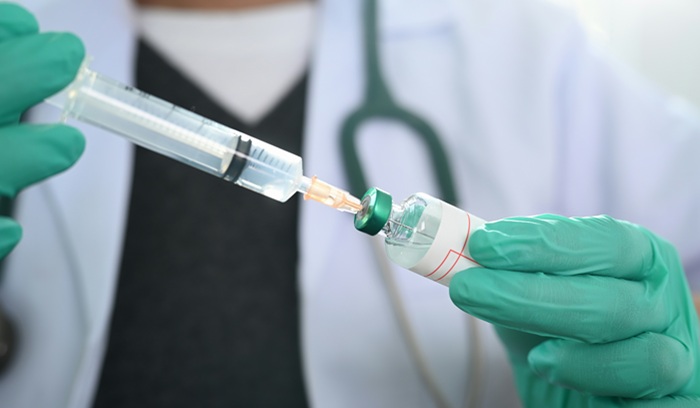
A major public health breakthrough has been achieved in the fight against malaria. Gavi, the Vaccine Alliance, and UNICEF have signed a landmark agreement that drastically cuts the price of the R21/Matrix-M malaria vaccine. This deal reduces the cost of the vaccine from approximately $3.90 to under $3 per dose, representing a decrease of roughly 25%. This is a decisive victory for global health equity and child survival.
The price reduction is expected to save an estimated $90 million in health budgets. This financial relief will allow Gavi and African governments to procure over 30 million additional doses.
Scaling Up Protection for Millions of Children
The core positive impact of this deal is the massive expansion of vaccine coverage. The lower price point enables Gavi to move closer to its goal of vaccinating 50 million children by 2030. This accelerated rollout will protect millions of vulnerable infants across sub-Saharan Africa, where the disease burden is highest.
The agreement ensures that 24 African countries can now integrate the vaccine into their routine immunization programs. This systemic integration is vital for sustainability. It guarantees that every child has access to protection as part of their standard healthcare. The successful negotiation demonstrates the power of global partnerships to deliver tangible results for those most in need.
Innovative Financing Drives Success
This achievement was made possible by an innovative financing mechanism. The International Finance Facility for Immunisation (IFFIm) allowed Gavi to make an advance payment, securing the lower price. This smart use of financial tools transformed long-term donor pledges into immediate capital. It proves that creative funding models can directly save lives.
This financial agility allowed the organizations to seize a market-shaping opportunity. By guaranteeing volume, they incentivized the manufacturer, the Serum Institute of India, to lower costs. This partnership model is a blueprint for future public health initiatives. You can read more about the financial mechanics of this deal from Gavi, the Vaccine Alliance.
A Crucial Tool in the Malaria Toolkit
The affordable vaccine complements existing malaria control measures. While bed nets and seasonal chemoprevention remain essential, the vaccine adds a powerful new layer of defense. Clinical trials have shown the R21 vaccine to be highly effective, reducing malaria cases by over $75\%$ in areas with seasonal transmission.
This multi-pronged strategy is the most effective way to drive down mortality rates. The vaccine targets the parasite at the earliest stage of infection, preventing severe disease. This biological protection, combined with traditional vector control, offers the best chance of defeating the disease. The World Health Organization (WHO) provides detailed guidance on the role of vaccines in malaria prevention.
A Future Free from Fear
The price cut is more than just an economic win; it is a humanitarian triumph. It signifies a future where parents in endemic regions no longer have to fear that a mosquito bite could be a death sentence for their child. By removing the cost barrier, the global community has affirmed the right to health for millions of children.
This progress builds momentum for the broader goal of malaria eradication. It demonstrates that when science, policy, and finance align, we can overcome even the most persistent health challenges. The Serum Institute of India has committed to scaling production to meet this new demand. Furthermore, UNICEF continues to lead the logistical effort to deliver these vaccines to the hardest-to-reach communities.
Resources
- Gavi, the Vaccine Alliance on Vaccine Pricing Deal
- World Health Organization (WHO) on Malaria Vaccine Guidance
- UNICEF on Vaccine Delivery and Logistics
- Serum Institute of India on Manufacturing Commitment
More Good News
-
Senegal launches all-electric bus network powered by renewable energy
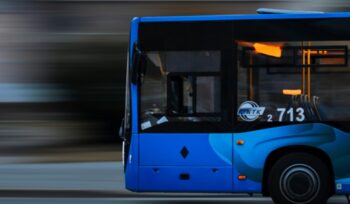
Senegal has successfully launched a transformative Bus Rapid Transit system in Dakar, featuring a fleet of 121 fully electric buses. As the first network in Sub-Saharan Africa to operate entirely on renewable energy, the initiative utilizes local solar power to transport up to 300,000 passengers daily. By utilizing dedicated lanes, the clean energy fleet cuts cross-city commute times in half while preventing nearly 60,000 tons of carbon dioxide emissions annually. This monumental project dramatically improves urban air quality and establishes Senegal as a pioneering leader in sustainable, green public infrastructure.
-

Yangtze River showing remarkable ecological recovery following fishing ban
China’s Yangtze River is experiencing a remarkable ecological revival five years into a sweeping ten-year commercial fishing ban. Recent surveys reveal significant increases in overall fish biomass and the heartening return of critically endangered species in the world’s fifth largest river. Furthermore, thousands of former commercial fishers have been successfully transitioned into new roles as official river guardians. This massive conservation effort offers a hopeful, replicable model for global freshwater restoration.
-

Rob Jetten becomes The Netherland’s first openly gay prime minister
In a historic victory for representation and progressive politics, Rob Jetten has been sworn in as the first openly gay Prime Minister of the Netherlands. At 38 years old, the centrist Democrats 66 leader is also the youngest head of government in Dutch history. Jetten successfully formed a minority coalition government following a tense election that defeated far-right populist opponents. His platform prioritizes climate investment, economic fairness, and strong international collaboration. Jetten’s premiership powerfully reaffirms the Netherlands’ global legacy as a pioneer of LGBTQ+ equality and inclusive, cooperative democratic leadership.
-

Millions of New York City workers gain additional time off through new law
Millions of workers in New York City are benefiting from a major expansion of the Protected Time Off Law, which officially took effect in late February 2026. The progressive legislation grants employees an additional 32 hours of unpaid, protected leave that is available immediately upon hire or at the start of the calendar year. This ensures workers do not have to wait to accrue hours before addressing sudden medical emergencies or family crises. The law also vastly expands permitted uses to include mental health care, public disaster recovery, and caring for disabled loved ones.
-
Malaysia bans electronic waste imports to protect the environment and public health
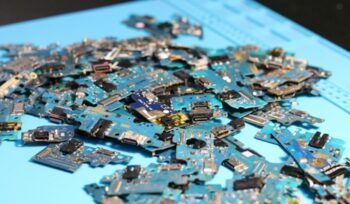
In a monumental victory for public health and environmental justice, Malaysia has enacted an immediate and absolute ban on the importation of electronic waste. By removing regulatory loopholes and launching a strict enforcement campaign, the nation is successfully preventing toxic heavy metals from polluting its soil and waterways. Authorities have already intercepted hundreds of thousands of kilograms of illegal e-waste at major ports, vowing to return the hazardous materials to their countries of origin. This decisive action establishes Malaysia as a leading force in Southeast Asia’s growing movement to reject global waste and prioritize ecological sustainability.