
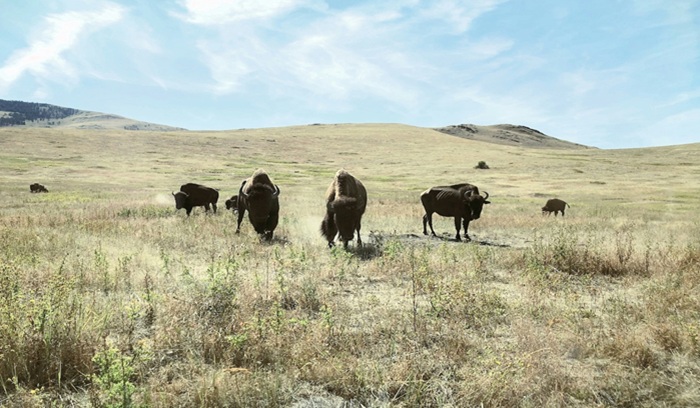
A massive rewilding effort in Montana has achieved a significant milestone for wildlife conservation. The American Prairie Reserve has successfully removed over 100 miles of derelict fencing across the Great Plains. This project, driven by volunteers and conservationists, is restoring the natural landscape to its original, open state. It is a powerful example of how removing human infrastructure can directly benefit biodiversity.
The removal of these fences is critical for the free movement of wildlife. For decades, abandoned barbed wire has posed a deadly hazard to animals and fragmented their habitats. This initiative reconnects vast stretches of prairie, allowing nature to function as it should.
Unlocking Ancient Migration Corridors
The primary positive impact of this project is the restoration of ancient migration corridors. Species like pronghorn antelope, elk, and deer rely on the ability to move freely across the landscape to find food and mates. Pronghorn, in particular, are known to struggle with fences, often crawling under them rather than jumping, which leads to injury or death.
By clearing these barriers, the project ensures that these animals can follow their instinctual paths without obstruction. This increased connectivity is vital for genetic diversity and population health. It allows herds to adapt to changing weather patterns and food availability. The National Wildlife Federation highlights the critical importance of wildlife corridors for species survival.
A Victory for Safety and Aesthetics
Beyond the biological benefits, removing derelict fencing improves the safety and aesthetics of the landscape. Old, rusting wire is a danger not only to wildlife but also to livestock and humans who use the land for recreation. Clearing this debris removes a significant liability and restores the visual beauty of the open plains.
The project also involves the modification of necessary fences to be “wildlife-friendly.” This means installing smooth bottom wires that allow animals to pass under safely. This pragmatic approach balances the needs of working ranches with the needs of wild species. It demonstrates that agriculture and conservation can coexist.
The Power of Volunteer Stewardship
This achievement is a testament to the power of volunteer stewardship. Hundreds of individuals have donated their time and labor to physically roll up and remove tons of wire. This hands-on involvement fosters a deep connection between the public and the land.
It empowers citizens to be active participants in ecological restoration. The physical effort required to remove miles of fencing is immense, making this milestone a true labor of love. This collective action builds a community of conservationists dedicated to the long-term health of the prairie. The American Prairie Reserve provides details on how volunteers drive these restoration efforts.
A Model for Landscape-Scale Conservation
The fence removal project is part of a larger vision to create the largest nature reserve in the contiguous United States. It serves as a model for landscape-scale conservation that can be replicated in other regions. By focusing on connectivity, the project addresses one of the biggest threats to wildlife in the modern world: habitat fragmentation.
This success proves that restoration doesn’t always require planting new things; sometimes it means taking old things away. It is a hopeful reminder that we can undo past damages to our environment. The World Wildlife Fund (WWF) supports similar connectivity initiatives globally. Furthermore, the Center for Large Landscape Conservation offers science and policy guidance on connecting habitats.
Resources
- National Wildlife Federation on Wildlife Corridors
- American Prairie Reserve on Fence Removal Projects
- World Wildlife Fund (WWF) on Global Connectivity
- Center for Large Landscape Conservation on Connectivity Science
More Good News
-

Senegal launches all-electric bus network powered by renewable energy
Senegal has successfully launched a transformative Bus Rapid Transit system in Dakar, featuring a fleet of 121 fully electric buses. As the first network in Sub-Saharan Africa to operate entirely on renewable energy, the initiative utilizes local solar power to transport up to 300,000 passengers daily. By utilizing dedicated lanes, the clean energy fleet cuts cross-city commute times in half while preventing nearly 60,000 tons of carbon dioxide emissions annually. This monumental project dramatically improves urban air quality and establishes Senegal as a pioneering leader in sustainable, green public infrastructure.
-
Yangtze River showing remarkable ecological recovery following fishing ban
China’s Yangtze River is experiencing a remarkable ecological revival five years into a sweeping ten-year commercial fishing ban. Recent surveys reveal significant increases in overall fish biomass and the heartening return of critically endangered species in the world’s fifth largest river. Furthermore, thousands of former commercial fishers have been successfully transitioned into new roles as official river guardians. This massive conservation effort offers a hopeful, replicable model for global freshwater restoration.
-

Rob Jetten becomes The Netherland’s first openly gay prime minister
In a historic victory for representation and progressive politics, Rob Jetten has been sworn in as the first openly gay Prime Minister of the Netherlands. At 38 years old, the centrist Democrats 66 leader is also the youngest head of government in Dutch history. Jetten successfully formed a minority coalition government following a tense election that defeated far-right populist opponents. His platform prioritizes climate investment, economic fairness, and strong international collaboration. Jetten’s premiership powerfully reaffirms the Netherlands’ global legacy as a pioneer of LGBTQ+ equality and inclusive, cooperative democratic leadership.
-

Millions of New York City workers gain additional time off through new law
Millions of workers in New York City are benefiting from a major expansion of the Protected Time Off Law, which officially took effect in late February 2026. The progressive legislation grants employees an additional 32 hours of unpaid, protected leave that is available immediately upon hire or at the start of the calendar year. This ensures workers do not have to wait to accrue hours before addressing sudden medical emergencies or family crises. The law also vastly expands permitted uses to include mental health care, public disaster recovery, and caring for disabled loved ones.
-

Malaysia bans electronic waste imports to protect the environment and public health
In a monumental victory for public health and environmental justice, Malaysia has enacted an immediate and absolute ban on the importation of electronic waste. By removing regulatory loopholes and launching a strict enforcement campaign, the nation is successfully preventing toxic heavy metals from polluting its soil and waterways. Authorities have already intercepted hundreds of thousands of kilograms of illegal e-waste at major ports, vowing to return the hazardous materials to their countries of origin. This decisive action establishes Malaysia as a leading force in Southeast Asia’s growing movement to reject global waste and prioritize ecological sustainability.