
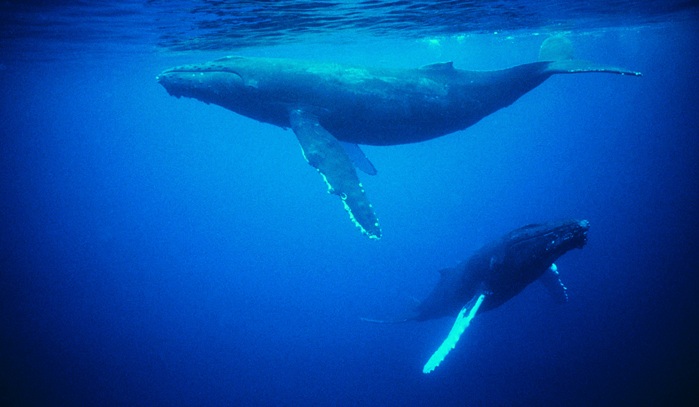
A landmark decision has paved the way for a new era of ocean conservation in the Atlantic. In a historic vote, delegates at the International Union for Conservation of Nature (IUCN) World Conservation Congress overwhelmingly approved the creation of the Macaronesia Sanctuary. This transnational Marine Protected Area (MPA) will span the waters of the Canary Islands, the Azores, Madeira, and Cape Verde. The approval, supported by 96.5% of voters, marks a decisive victory for international cooperation and biodiversity protection.
This ambitious initiative is the result of over four decades of advocacy and scientific research. It demonstrates a powerful, unified commitment to safeguarding one of the world’s most vital marine corridors. The sanctuary represents a shared aspiration between science, institutions, and society.
A Critical Refuge for Marine Life
The Macaronesia region is a biodiversity hotspot of global importance. It is home to 32 species of cetaceans, representing 84% of all whale and dolphin species found in the North Atlantic. The new sanctuary will serve as a critical corridor for these migrating marine mammals. Protecting this area ensures safe passage and feeding grounds for these iconic species.
The sanctuary aims to shield marine life from increasing human pressures. These threats include intense maritime traffic, underwater noise pollution, and industrial fishing. By establishing strict protections, the sanctuary will help restore the ecological balance of the region. This action directly supports the recovery of species that were once on the brink of extinction.
Uniting Nations for Ocean Health
The creation of the Macaronesia Sanctuary is a triumph of cross-border collaboration. It unites the governments of Spain, Portugal, and Cape Verde in a shared mission to protect their common ocean heritage. This transnational model of governance is a powerful example of how nations can work together to solve complex environmental challenges. It blends science, policy, and community engagement to ensure long-term success.
The initiative builds on a strong foundation of academic cooperation. Public universities across the Macaronesia region have signed a Marine Biodiversity Manifesto. This alliance promotes research and training to support conservation efforts. This scientific backing ensures that management decisions are based on the best available data.
A Model for Global Ocean Governance
With the backing of the IUCN, the Macaronesia Sanctuary is poised to become a global model for marine governance. It proves that large-scale, multi-national conservation projects are both politically feasible and scientifically sound. This success provides a blueprint for other regions seeking to protect shared marine resources. It reinforces the importance of international frameworks in achieving global biodiversity goals.
This historic vote moves the world closer to achieving the “30×30” target. This global goal aims to protect 30% of the planet’s oceans by 2030. The sanctuary’s establishment is a tangible step toward realizing this vision. It offers hope that with persistent advocacy and cooperation, we can secure a healthy future for our oceans. You can read more about the region’s biodiversity from the Loro Parque Fundación. The International Union for Conservation of Nature (IUCN) provides global context on marine protected areas. For details on the specific threats facing Atlantic cetaceans, the North Atlantic Marine Mammal Commission offers extensive research. Furthermore, the OSPAR Commission works to protect the marine environment of the North-East Atlantic.
Resources
- Loro Parque Fundación on Macaronesia Conservation
- International Union for Conservation of Nature (IUCN) on Marine Protected Areas
- North Atlantic Marine Mammal Commission (NAMMCO) on Cetacean Research
- OSPAR Commission on North-East Atlantic Protection
More Good News
-

Senegal launches all-electric bus network powered by renewable energy
Senegal has successfully launched a transformative Bus Rapid Transit system in Dakar, featuring a fleet of 121 fully electric buses. As the first network in Sub-Saharan Africa to operate entirely on renewable energy, the initiative utilizes local solar power to transport up to 300,000 passengers daily. By utilizing dedicated lanes, the clean energy fleet cuts cross-city commute times in half while preventing nearly 60,000 tons of carbon dioxide emissions annually. This monumental project dramatically improves urban air quality and establishes Senegal as a pioneering leader in sustainable, green public infrastructure.
-
Yangtze River showing remarkable ecological recovery following fishing ban
China’s Yangtze River is experiencing a remarkable ecological revival five years into a sweeping ten-year commercial fishing ban. Recent surveys reveal significant increases in overall fish biomass and the heartening return of critically endangered species in the world’s fifth largest river. Furthermore, thousands of former commercial fishers have been successfully transitioned into new roles as official river guardians. This massive conservation effort offers a hopeful, replicable model for global freshwater restoration.
-

Rob Jetten becomes The Netherland’s first openly gay prime minister
In a historic victory for representation and progressive politics, Rob Jetten has been sworn in as the first openly gay Prime Minister of the Netherlands. At 38 years old, the centrist Democrats 66 leader is also the youngest head of government in Dutch history. Jetten successfully formed a minority coalition government following a tense election that defeated far-right populist opponents. His platform prioritizes climate investment, economic fairness, and strong international collaboration. Jetten’s premiership powerfully reaffirms the Netherlands’ global legacy as a pioneer of LGBTQ+ equality and inclusive, cooperative democratic leadership.
-
Millions of New York City workers gain additional time off through new law
Millions of workers in New York City are benefiting from a major expansion of the Protected Time Off Law, which officially took effect in late February 2026. The progressive legislation grants employees an additional 32 hours of unpaid, protected leave that is available immediately upon hire or at the start of the calendar year. This ensures workers do not have to wait to accrue hours before addressing sudden medical emergencies or family crises. The law also vastly expands permitted uses to include mental health care, public disaster recovery, and caring for disabled loved ones.
-

Malaysia bans electronic waste imports to protect the environment and public health
In a monumental victory for public health and environmental justice, Malaysia has enacted an immediate and absolute ban on the importation of electronic waste. By removing regulatory loopholes and launching a strict enforcement campaign, the nation is successfully preventing toxic heavy metals from polluting its soil and waterways. Authorities have already intercepted hundreds of thousands of kilograms of illegal e-waste at major ports, vowing to return the hazardous materials to their countries of origin. This decisive action establishes Malaysia as a leading force in Southeast Asia’s growing movement to reject global waste and prioritize ecological sustainability.