
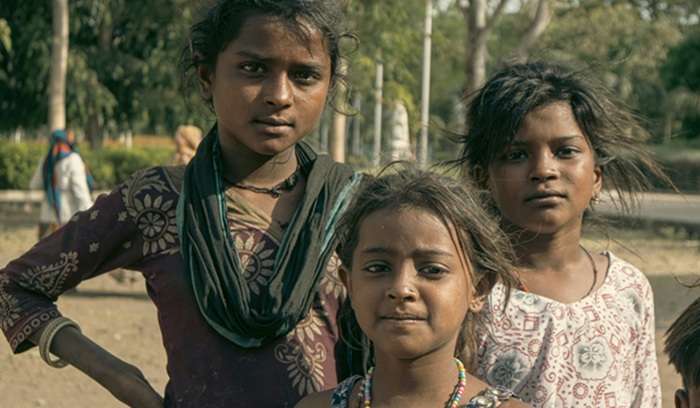
The Indian government has announced a monumental public health initiative to provide free human papillomavirus vaccinations to adolescent girls nationwide. This massive immunization campaign is specifically designed to combat cervical cancer, which has historically been a leading cause of mortality among women in the country. By targeting girls between the ages of nine and fourteen, health officials are taking a proactive step to protect the health of the next generation.
Cervical cancer currently ranks as the second most frequent cancer among Indian women, resulting in an estimated seventy thousand preventable deaths each year. Implementing a nationwide, government-funded vaccination program marks a major turning point in the country’s approach to preventative healthcare and disease management. This initiative perfectly aligns with global health objectives to eliminate the disease entirely within the coming decades.
The Power of Domestic Manufacturing
A critical factor making this vast rollout possible is the successful development of a domestically produced, cost-effective vaccine. The Serum Institute of India successfully developed Cervavac, the country’s very first locally produced quadrivalent human papillomavirus vaccine. Producing the vaccine domestically drastically reduces the cost per dose compared to imported alternatives, making a nationwide free rollout economically viable for the government.
This breakthrough in pharmaceutical manufacturing ensures that India will not have to rely on strained global supply chains to protect its citizens. The affordability and availability of Cervavac mean that millions of girls in rural and underserved communities will gain access to this life-saving preventative treatment. It represents a massive triumph for the country’s medical research and manufacturing sectors, showcasing India’s capacity for global health leadership.
Implementing a Strategic Rollout
Health ministries are planning a phased, state-by-state approach to ensure the vaccine reaches every corner of the diverse and populous nation. The campaign will be seamlessly integrated into the existing universal immunization program, utilizing the established infrastructure of primary health centers. Schools will also play a pivotal role as primary vaccination hubs to maximize reach and convenience among the target age demographic.
Extensive awareness campaigns are being developed simultaneously to educate parents, teachers, and community leaders about the safety and incredible efficacy of the vaccine. Public health officials recognize that clear, transparent communication is essential to combat any potential misinformation and encourage widespread participation. By fostering community trust and understanding, the government hopes to achieve the high coverage rates necessary for robust herd immunity.
A Global Milestone in Cancer Prevention
India’s commitment to widespread vaccination is a crucial component of the broader international effort to eradicate cervical cancer globally. Because the country currently accounts for roughly one-fifth of the global cervical cancer burden, this domestic initiative will naturally have a profound impact on worldwide statistics. The World Health Organization has consistently praised such dedicated national efforts as essential steps toward making cervical cancer a disease of the past.
Successful implementation of this ambitious program could provide a valuable, tested blueprint for other developing nations facing similar public health challenges. Sharing the logistical strategies and the innovative technology behind Cervavac could empower neighboring countries to launch their own affordable vaccination drives. You can learn more about these international vaccination targets and strategies through organizations like Gavi, the Vaccine Alliance.
Securing a Healthier Future for Women
Providing these vaccines completely free of charge removes the financial barriers that have historically prevented low-income families from accessing vital preventative care. This progressive policy is a profound investment in the long-term health, wellbeing, and economic stability of Indian women. Protecting young girls from a preventable disease allows them to pursue their education and careers without the looming threat of this specific, devastating cancer.
Medical experts at prominent institutions like the Indian Council of Medical Research have long advocated for this exact type of systemic, preventative intervention. The shift from treating late-stage cancer to preventing the infection altogether will save countless lives and alleviate tremendous financial strain on the healthcare system. Furthermore, the American Cancer Society provides extensive documentation confirming that early vaccination remains the single most effective defense against HPV-related cancers.
More Good News
-
India set to launch free nationwide HPV vaccination for adolescent girls
The Indian government is rolling out a monumental public health initiative to provide free human papillomavirus vaccines to adolescent girls across the country. Targeting girls between the ages of nine and fourteen, the campaign aims to drastically reduce the incidence of cervical cancer. This massive undertaking is made possible by the introduction of Cervavac, an affordable, domestically produced vaccine developed by the Serum Institute of India. By integrating the vaccine into existing national immunization programs and utilizing schools as distribution hubs, India is taking a proactive step toward eliminating cervical cancer and securing a healthier future.
-

Senegal launches all-electric bus network powered by renewable energy
Senegal has successfully launched a transformative Bus Rapid Transit system in Dakar, featuring a fleet of 121 fully electric buses. As the first network in Sub-Saharan Africa to operate entirely on renewable energy, the initiative utilizes local solar power to transport up to 300,000 passengers daily. By utilizing dedicated lanes, the clean energy fleet cuts cross-city commute times in half while preventing nearly 60,000 tons of carbon dioxide emissions annually. This monumental project dramatically improves urban air quality and establishes Senegal as a pioneering leader in sustainable, green public infrastructure.
-

Yangtze River showing remarkable ecological recovery following fishing ban
China’s Yangtze River is experiencing a remarkable ecological revival five years into a sweeping ten-year commercial fishing ban. Recent surveys reveal significant increases in overall fish biomass and the heartening return of critically endangered species in the world’s fifth largest river. Furthermore, thousands of former commercial fishers have been successfully transitioned into new roles as official river guardians. This massive conservation effort offers a hopeful, replicable model for global freshwater restoration.
-

Rob Jetten becomes The Netherland’s first openly gay prime minister
In a historic victory for representation and progressive politics, Rob Jetten has been sworn in as the first openly gay Prime Minister of the Netherlands. At 38 years old, the centrist Democrats 66 leader is also the youngest head of government in Dutch history. Jetten successfully formed a minority coalition government following a tense election that defeated far-right populist opponents. His platform prioritizes climate investment, economic fairness, and strong international collaboration. Jetten’s premiership powerfully reaffirms the Netherlands’ global legacy as a pioneer of LGBTQ+ equality and inclusive, cooperative democratic leadership.
-

Millions of New York City workers gain additional time off through new law
Millions of workers in New York City are benefiting from a major expansion of the Protected Time Off Law, which officially took effect in late February 2026. The progressive legislation grants employees an additional 32 hours of unpaid, protected leave that is available immediately upon hire or at the start of the calendar year. This ensures workers do not have to wait to accrue hours before addressing sudden medical emergencies or family crises. The law also vastly expands permitted uses to include mental health care, public disaster recovery, and caring for disabled loved ones.